

Treatment destination
Microsurgery Care in Germany
Microsurgery in Germany is listed on CureValue.

Why Americans travel for microsurgery care
Microsurgery is a specialized surgical technique that uses magnification and precision instruments to perform intricate procedures on small structures, such as nerves and blood vessels. It is often recommended for conditions like nerve injuries, certain types of tumors, and reconstructive surgeries following trauma or cancer treatment. Common microsurgical procedures include nerve repair, free tissue transfer, and lymphatic surgery. Americans may consider seeking microsurgery abroad for reasons such as shorter wait times, availability of specific procedures, or potentially lower costs, though these factors can vary widely by location. While some patients report benefits like access to experienced surgeons or advanced techniques, it is crucial to carefully evaluate the qualifications of the provider, the quality and accreditation of the facility, and the transparency of costs. Additionally, patients should consider recovery time, travel logistics, and the availability of follow-up care when making their decision about receiving microsurgery outside the United States.

Key stats: Microsurgery in Germany

85
Top orthopedic/knee surgery facilities in Germany
Compare all 6 providers →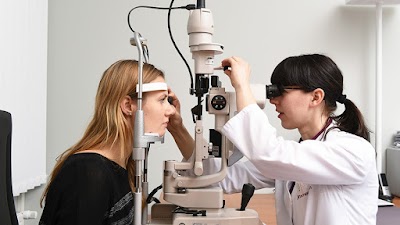

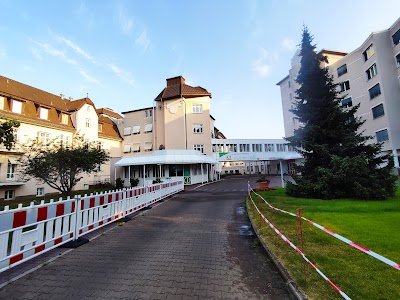
Krankenhaus Waldfriede Chirurgische Abteilung
86
Top orthopedic/knee surgery doctors in Germany


Travel and Stay
Round-trip flight
From JFK
Unavailable
One-night stay
Average price in Germany
Average price for one night in Germany, shown in US dollars.
Attractions
In Berlin
- Big Bus Berlin 24-Hour Hop-on, Hop-off Tour with 1 Route
- Berlin: 1-hr Boat Tour with Bilingual Live Guide (DE/EN)
- Express Tour Government District plus Visit Reichstag with Dome
Frequently asked questions
When evaluating microsurgery options abroad, consider the surgeon's experience, the facility's accreditation, and the specific techniques used. Research patient reviews and outcomes, and ensure the facility meets international safety standards.
To ensure safety and quality, look for facilities accredited by recognized international organizations. Verify the surgeon's qualifications and experience in microsurgery, and inquire about the hospital's infection control practices and patient care protocols.
Recovery time after microsurgery can vary, but patients often need to stay close to the treatment facility for follow-up care for several days to weeks. Plan your travel itinerary to accommodate this recovery period, including any necessary follow-up appointments.
Before choosing a provider for microsurgery, ask about their experience with the specific procedure, the number of similar surgeries they perform annually, and their complication rates. Additionally, inquire about the facility's accreditation and the availability of post-operative care.
While many patients seek microsurgery abroad for potential cost savings, prices can vary widely based on the facility and surgeon. It's important to obtain detailed quotes and understand what is included, as well as to consider the overall value of care, including follow-up and recovery services.
Before traveling to Germany for medical care, it's important to plan your itinerary, including accommodations and transportation. Many cities have excellent public transport systems, making it easy to navigate. Additionally, consider scheduling some time for recovery and sightseeing to make the most of your trip.
The cost of living in Germany can vary by city, but generally, it is considered to be lower than in many major U.S. cities. Accommodation, food, and transportation can be more affordable, but it's wise to budget according to your specific needs and preferences.
U.S. citizens can enter Germany for short stays of up to 90 days without a visa for tourism or medical purposes. However, it's advisable to have your travel documents in order and check for any updates on entry requirements before your trip.
Yes, English is commonly spoken in Germany, particularly in urban areas and healthcare settings. Many medical professionals are proficient in English, which can help facilitate communication during your visit.
Germany has an efficient public transportation system, including trains, trams, and buses, making it easy to get around. Many cities also offer bike rentals and walking paths. Planning your transportation in advance can help ensure a smooth experience during your stay.
Data last updated July 10, 2026. Prices and savings are estimates, not guarantees.