

Treatment destination
Orthopedic implants Care in Malaysia
Orthopedic implants in Malaysia is listed on CureValue.

Why Americans travel for orthopedic implants care
Orthopedic implants are medical devices used to support or replace damaged bones and joints, often recommended for conditions such as arthritis, fractures, or joint degeneration. The treatment typically involves surgical procedures where implants, such as screws, plates, or artificial joints, are inserted to stabilize or restore function to the affected area. Americans may consider seeking orthopedic implants abroad for various reasons, including shorter wait times, potential cost savings, or access to specific technologies not readily available in the U.S. While some patients report benefits from receiving care overseas, such as personalized attention or advanced techniques, it is crucial to carefully evaluate factors like the provider's experience, the quality and accreditation of the facility, cost transparency, recovery time, and the logistics of travel and follow-up care. Understanding these elements can help patients make informed decisions about whether to pursue orthopedic implants outside the United States.

Key stats: Orthopedic implants in Malaysia

88
Top orthopedic/knee surgery facilities in Malaysia
Compare all 29 providers →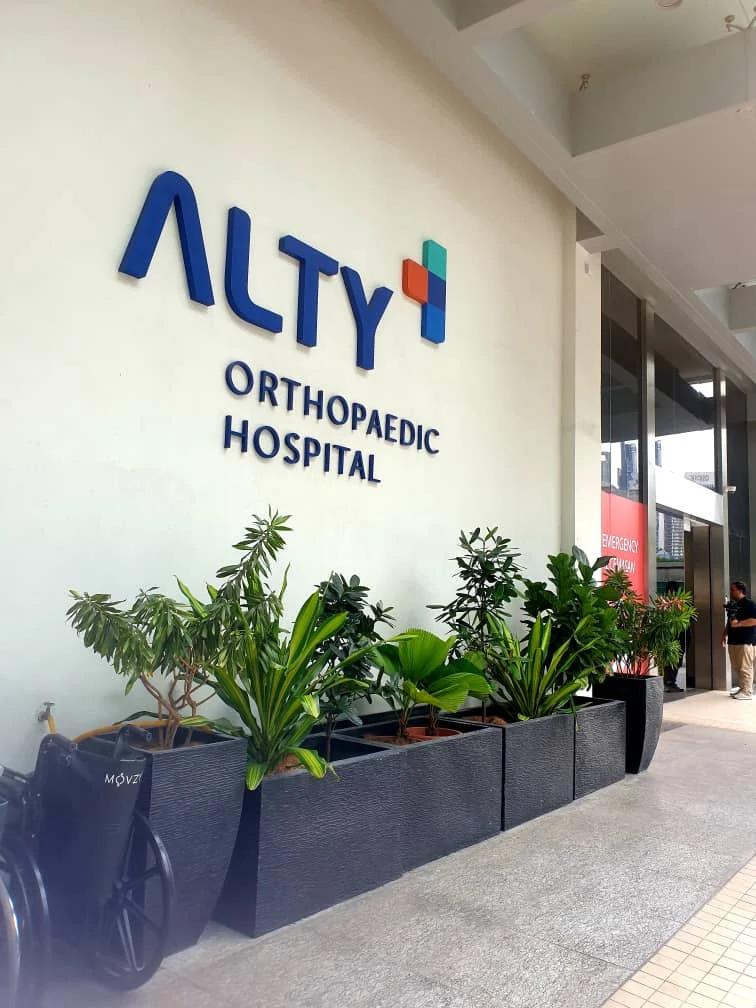
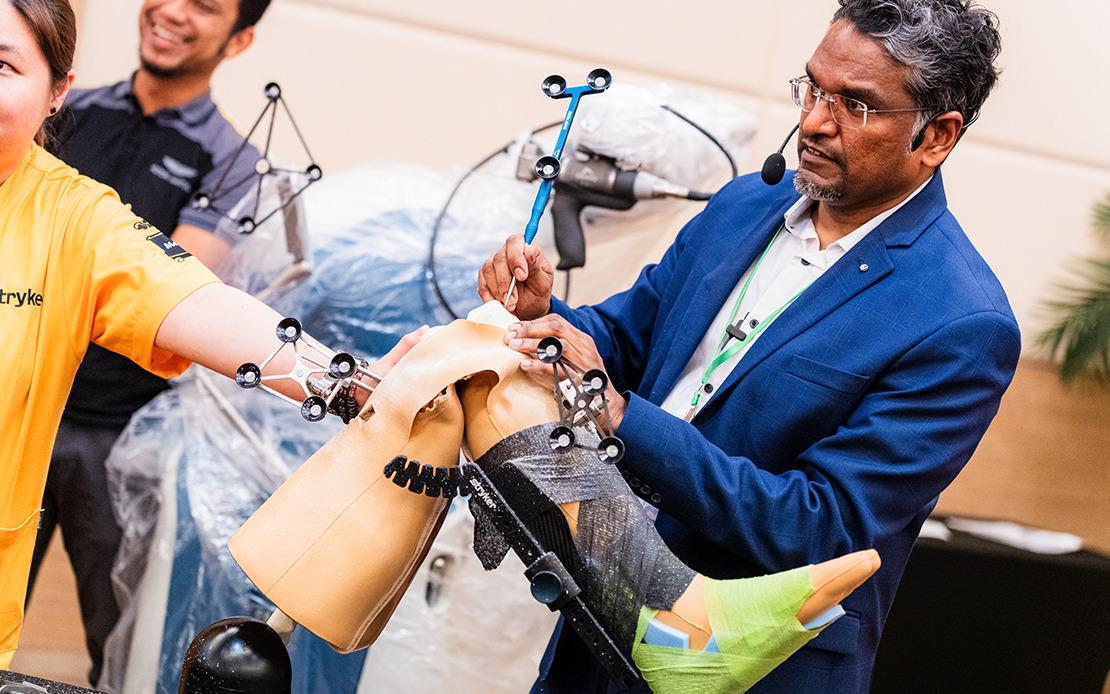
Sunway Medical Centre Velocity
94
Travel and Stay
Round-trip flight
From JFK
Unavailable
One-night stay
Average price in Malaysia
Average price for one night in Malaysia, shown in US dollars.
Attractions
In Malaysia
Unavailable
Frequently asked questions
When considering orthopedic implants abroad, focus on the provider's experience, the facility's accreditation, and the types of implants used. Research the hospital's standards and patient reviews to ensure quality care. It's also important to understand the local regulations regarding medical practices.
To assess safety, check if the facility is accredited by recognized international organizations and inquire about the surgeon's qualifications and experience with orthopedic implants. Look for hospitals that adhere to strict hygiene and safety protocols, and consider patient testimonials for additional insights.
Recovery timelines can vary, but most patients can expect to begin rehabilitation within a few days after surgery. Full recovery may take several weeks to months, depending on the type of implant and individual health factors. It's essential to discuss post-operative care and follow-up appointments with your provider before traveling.
Ask about the types of implants they use, the surgeon's experience with similar procedures, and the facility's accreditation status. Inquire about the expected recovery process, potential complications, and follow-up care. Understanding these aspects can help you make an informed decision.
While many patients seek orthopedic implants abroad for potential cost savings, prices can vary widely based on the destination and facility. It's important to obtain detailed quotes that include all associated costs, such as surgery, hospital stay, and follow-up care, to make an accurate comparison with U.S. prices.
Before traveling to Malaysia for medical care, it's important to plan your itinerary, including accommodations and transportation. Many medical travelers find it helpful to stay near their healthcare facility for convenience. Additionally, familiarize yourself with local customs and healthcare practices to enhance your experience.
The cost of living in Malaysia is generally lower than in the U.S., which can make accommodations, food, and transportation more affordable. However, prices can vary depending on the city and area you choose to stay in, so it's wise to research and budget accordingly.
U.S. citizens can enter Malaysia without a visa for stays of up to 90 days for tourism or business purposes. It's advisable to have a valid passport with at least six months of validity remaining and to check for any updates on entry requirements before your trip.
Yes, English is widely spoken in Malaysia, particularly in urban areas and healthcare settings. Many healthcare professionals are fluent in English, which can help facilitate communication and ensure that you feel comfortable during your medical journey.
Getting around Malaysia is generally easy, with options like taxis, ride-sharing services, and public transportation available in major cities. For recovery, consider staying in a location that offers easy access to your healthcare facility and amenities. Planning for follow-up appointments and local support can also enhance your recovery experience.
Data last updated July 10, 2026. Prices and savings are estimates, not guarantees.