

Treatment destination
Osteotomy Care in Brazil
Osteotomy in Brazil is listed on CureValue.

Why Americans travel for osteotomy care
Osteotomy is a surgical procedure that involves cutting and reshaping bones to correct alignment issues, often recommended for conditions such as osteoarthritis, hip dysplasia, or knee malalignment, which can cause pain and limit mobility. The treatment typically involves making an incision to access the affected bone, cutting it, and then repositioning it to improve function and relieve pressure on joints. Patients may consider seeking osteotomy abroad for various reasons, including shorter wait times, potential cost savings, or access to specialized techniques not readily available in the U.S. While some patients report benefits from receiving care overseas, such as personalized attention or advanced technology, it is crucial to carefully evaluate factors like the surgeon's experience, the quality and accreditation of the medical facility, cost transparency, recovery time, and the logistics of follow-up care. Thorough research and planning are essential to ensure a safe and effective treatment experience, regardless of where the procedure is performed.

Key stats: Osteotomy in Brazil

90
Top orthopedic/knee surgery facilities in Brazil
Compare all 3 providers →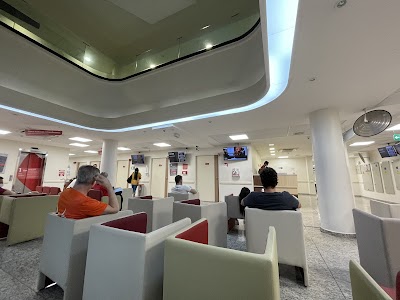


Travel and Stay
Round-trip flight
From JFK
Unavailable
One-night stay
Average price in Brazil
Average price for one night in Brazil, shown in US dollars.
Attractions
In Brazil
Unavailable
Frequently asked questions
When evaluating facilities for osteotomy, consider the provider's experience with the procedure, the accreditation of the facility, and the standards of care they uphold. Look for hospitals that are accredited by recognized international organizations, as this can indicate a commitment to quality and safety.
Recovery time after an osteotomy can vary, but many patients may need several weeks to months for full recovery. It's important to discuss your travel plans with your surgeon, as they may recommend staying close to the facility for follow-up appointments during the initial recovery phase.
Before choosing a provider for your osteotomy, ask about their experience with the procedure, the number of surgeries they perform annually, and their complication rates. Additionally, inquire about the facility's accreditation, the type of anesthesia used, and the post-operative care plan.
To compare costs of osteotomy abroad to those in the U.S., consider not only the surgical fees but also travel expenses, accommodation, and follow-up care. While many patients find that treatment abroad can be more affordable, it's essential to evaluate the total cost of the entire experience.
When considering osteotomy abroad, look for facilities that adhere to strict hygiene protocols, have a low infection rate, and provide clear information about their surgical techniques. Additionally, ensure that the surgical team is qualified and that the facility has access to emergency care if needed.
When planning a trip to Brazil for medical care, it's important to research the healthcare facilities and understand the logistics of your travel. Many cities, such as São Paulo and Rio de Janeiro, have well-established healthcare systems catering to international patients. Ensure you have a valid passport and consider travel insurance that covers medical expenses abroad.
U.S. citizens traveling to Brazil for medical purposes typically do not need a visa for stays of up to 90 days. However, it's advisable to check the latest entry requirements before your trip, as regulations can change. Ensure your passport is valid for at least six months beyond your planned departure date.
The cost of living in Brazil can be lower than in the U.S., particularly in terms of lodging, food, and transportation. However, prices can vary significantly depending on the city and neighborhood. It's wise to budget accordingly and research local costs to ensure a comfortable stay during your medical travel.
While Portuguese is the official language of Brazil, many healthcare professionals in major cities, especially those catering to international patients, speak English. It's helpful to learn a few basic Portuguese phrases, but you can generally find English-speaking staff in hospitals and clinics.
When traveling to Brazil for medical care, consider how you will get around, especially post-treatment. Many cities have reliable public transportation, but you may also want to arrange for private transportation for convenience. Plan for a comfortable recovery space, and ensure you have access to necessary follow-up care and support during your stay.
Data last updated July 10, 2026. Prices and savings are estimates, not guarantees.