

Treatment destination
Shoulder arthroplasty Care in Spain
Shoulder arthroplasty in Spain is listed on CureValue.

Why Americans travel for shoulder arthroplasty care
Shoulder arthroplasty, commonly known as shoulder replacement surgery, involves replacing damaged parts of the shoulder joint with artificial components to relieve pain and restore function. This procedure is often recommended for individuals suffering from severe arthritis, rotator cuff tears, or shoulder fractures that do not respond to other treatments. The surgery can be performed using different techniques, including total shoulder arthroplasty, where both the ball and socket are replaced, or partial shoulder arthroplasty, which replaces only the ball. Americans may consider seeking this treatment abroad for various reasons, such as shorter wait times, availability of specialized care, or potentially lower costs, though these factors can vary widely by location. While some patients report benefits from receiving care overseas, such as access to advanced techniques or personalized attention, it is crucial to thoroughly evaluate the experience of the healthcare provider, the quality and accreditation of the facility, and the transparency of costs. Additionally, patients should consider recovery time, travel logistics, and the availability of follow-up care when making their decision.

Key stats: Shoulder arthroplasty in Spain

89
Top orthopedic/knee surgery facilities in Spain
Compare all 50 providers →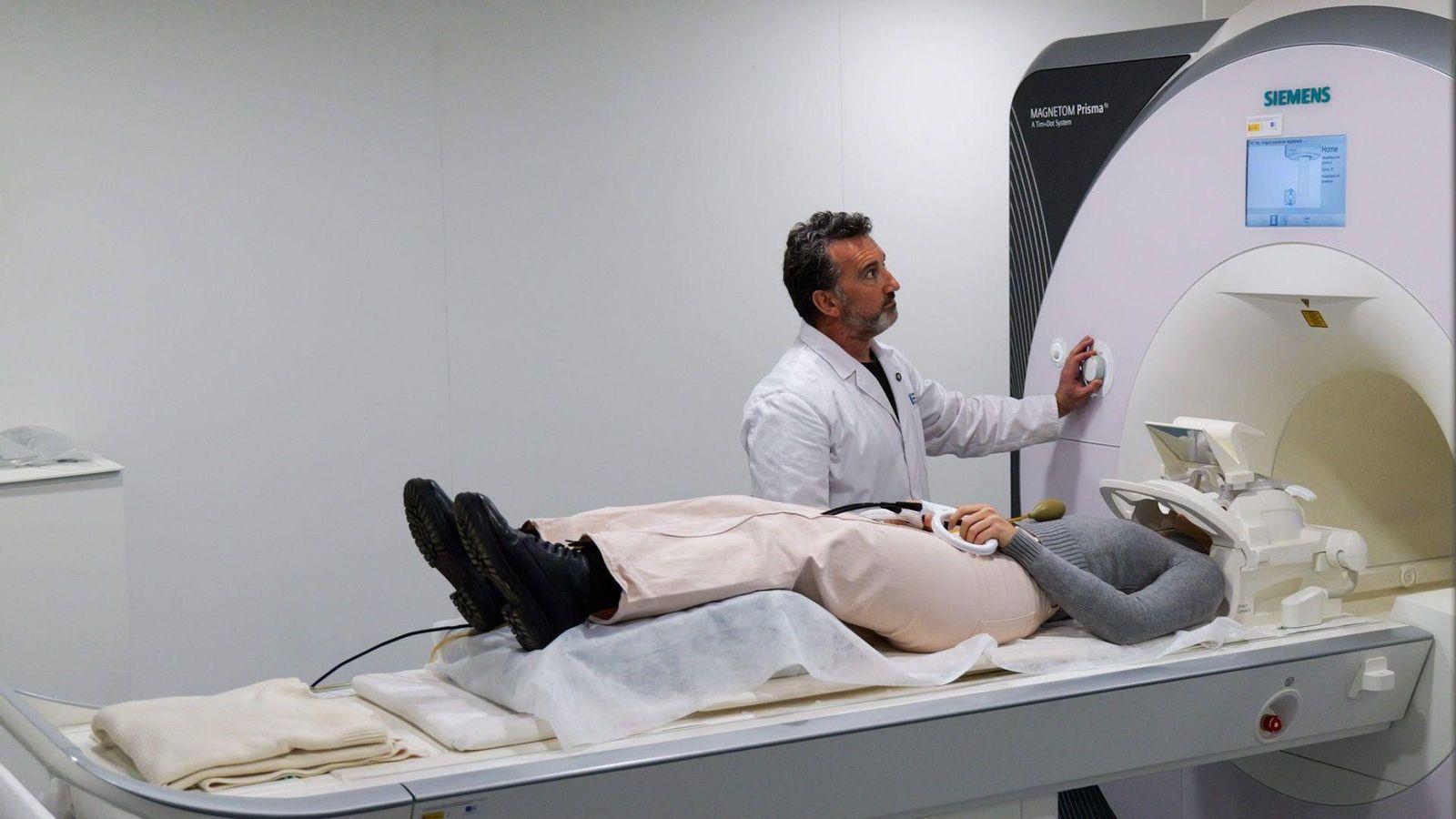
Hospital Universitario Fundación Jiménez Díaz
96

Ruber International Hospital
96
Top orthopedic/knee surgery doctors in Spain

Dr. Jose Lamo de Espinoza
Orthopedic/Knee Surgery
Clínica Universidad de Navarra in MadridView facility
Dr. Jose Tabuenca Dumortier
Orthopedic/Knee Surgery
Madrid Quironsalud University HospitalView facility

Travel and Stay
Round-trip flight
From JFK
Unavailable
One-night stay
Average price in Spain
Average price for one night in Spain, shown in US dollars.
Attractions
In Spain
Unavailable
Frequently asked questions
When evaluating international options for shoulder arthroplasty, consider the surgeon's experience, the facility's accreditation, and the quality of post-operative care. Research patient reviews and outcomes to gauge the reputation of the provider. It's also important to understand the local healthcare regulations and standards.
To ensure safety and quality for shoulder arthroplasty abroad, look for facilities that are accredited by recognized international organizations. Verify the credentials and experience of the orthopedic surgeons, and inquire about the hospital's infection control practices and patient safety records.
The typical recovery timeline after shoulder arthroplasty can range from several weeks to a few months, depending on individual factors. Traveling soon after surgery may complicate recovery, so it's advisable to plan for adequate rest and follow-up care. Discuss your travel plans with your surgeon to ensure a safe recovery process.
When considering providers for shoulder arthroplasty abroad, ask about their experience with the procedure, the types of implants they use, and their post-operative care protocols. Inquire about the facility's accreditation, the average number of surgeries performed, and how they handle complications or emergencies.
While the cost of shoulder arthroplasty abroad may be lower than in the U.S., it's important to consider all associated expenses, including travel, accommodation, and follow-up care. Research and compare the total costs, but remember that lower prices do not always equate to better quality. Always prioritize safety and provider qualifications over cost alone.
Before traveling to Spain for medical care, it's important to plan your itinerary, including accommodations and transportation. Familiarize yourself with the local healthcare system and ensure you have all necessary documentation, such as medical records and travel insurance. Many Americans find that the welcoming culture and beautiful surroundings enhance their recovery experience.
Spain generally offers a lower cost of living compared to many areas in the U.S., particularly in terms of lodging, food, and transportation. While prices can vary by region, many American medical travelers find that they can enjoy a comfortable stay without overspending. It's advisable to budget according to your specific needs and preferences.
U.S. citizens can enter Spain for tourism or medical travel without a visa for stays of up to 90 days. However, it's essential to have a valid passport and ensure it remains valid for the duration of your stay. Always check for any updates on entry requirements before your trip.
In many tourist areas and healthcare settings, English is commonly spoken, especially among staff who cater to international patients. However, it's helpful to learn a few basic Spanish phrases to enhance your experience and communication. This can also help you feel more comfortable while navigating the local culture.
Spain has a well-developed transportation system, including trains, buses, and taxis, making it easy to get around. Many cities also offer bike rentals and walking paths. Planning your transportation in advance can help ensure a smooth experience, especially when attending medical appointments or exploring the area during recovery.
Data last updated July 10, 2026. Prices and savings are estimates, not guarantees.