

Treatment destination
Pediatric bone marrow transplant Care in Ecuador
Pediatric bone marrow transplant in Ecuador is listed on CureValue.

Why Americans travel for pediatric bone marrow transplant care
A pediatric bone marrow transplant is a medical procedure used to treat various serious conditions in children, such as certain types of leukemia, lymphoma, and inherited blood disorders like sickle cell disease or thalassemia. The treatment typically involves replacing damaged or diseased bone marrow with healthy stem cells, which can be sourced from the child (autologous transplant) or a compatible donor (allogeneic transplant). Families may consider seeking this treatment abroad for reasons such as shorter wait times, availability of specialized care, or potentially lower costs, though these factors can vary widely by location and facility. It is crucial to evaluate the experience of the medical team, the quality and accreditation of the healthcare facility, and the transparency of costs before making a decision. Additionally, patients should consider the logistics of travel, recovery time, and the need for follow-up care after the transplant, as these can significantly impact the overall experience and outcomes.

Key stats: Pediatric bone marrow transplant in Ecuador

89
Top pediatrics facilities in Ecuador
Compare all 1 provider →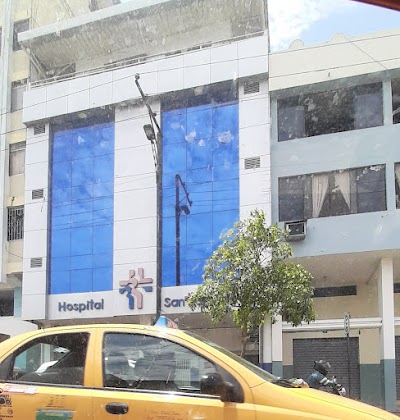
Travel and Stay
Round-trip flight
From JFK
Unavailable
One-night stay
Average price in Ecuador
Average price for one night in Ecuador, shown in US dollars.
Attractions
In Ecuador
Unavailable
Frequently asked questions
When evaluating international options for Pediatric Bone Marrow Transplant, consider the provider's experience, the facility's accreditation, and the specific protocols they follow for pediatric patients. It's also important to research the hospital's success rates and patient reviews to ensure quality care.
To ensure safety and quality of care for Pediatric Bone Marrow Transplant abroad, look for hospitals that are accredited by recognized international organizations. Additionally, inquire about the experience of the medical team, the availability of pediatric specialists, and the facility's infection control measures.
When considering providers for Pediatric Bone Marrow Transplant, ask about their experience with similar cases, the types of stem cell sources they use, and their post-transplant care protocols. It's also important to understand the follow-up care process and how they communicate with your home healthcare team.
The recovery timeline for Pediatric Bone Marrow Transplant patients can vary, but most children will spend several weeks in the hospital for monitoring and initial recovery. After discharge, follow-up visits are crucial, and full recovery may take several months, depending on the child's overall health and response to treatment.
While costs for Pediatric Bone Marrow Transplant abroad may be lower than in the U.S., it's essential to consider all associated expenses, including travel, accommodation, and follow-up care. Always request a detailed breakdown of costs from potential providers to make an informed comparison.
Ecuador is a popular destination for medical travelers due to its modern healthcare facilities and skilled professionals. Before traveling, it's important to research your options, understand the local healthcare infrastructure, and plan your itinerary to include recovery time. Many travelers find it helpful to connect with local resources or support groups for additional guidance.
U.S. citizens can enter Ecuador as tourists without a visa for stays of up to 90 days. It's advisable to have a valid passport with at least six months of validity remaining and to check for any updates on entry requirements before your trip. Additionally, travelers should ensure they have proof of onward travel.
Ecuador generally has a lower cost of living compared to the U.S., which can be beneficial for medical travelers. Accommodation, food, and transportation are often more affordable, allowing for a comfortable stay while receiving care. However, costs can vary by region, so it's wise to research specific areas you plan to visit.
While Spanish is the official language of Ecuador, many healthcare professionals in major cities and tourist areas speak English. It's helpful to learn a few basic Spanish phrases, but you can generally find English-speaking staff in hospitals and clinics catering to international patients.
Ecuador offers various transportation options, including taxis, buses, and ride-sharing services, making it easy to navigate cities and travel between locations. For medical travelers, it's advisable to arrange transportation in advance, especially for trips to and from medical appointments, to ensure a smooth experience during your stay.
Data last updated July 10, 2026. Prices and savings are estimates, not guarantees.