

Treatment destination
Artificial disc replacement Care in Estonia
Artificial disc replacement in Estonia is listed on CureValue.

Why Americans travel for artificial disc replacement care
Artificial disc replacement is a surgical procedure that involves removing a damaged spinal disc and replacing it with an artificial one to help alleviate pain and restore mobility, typically recommended for patients with severe disc degeneration or herniation that has not responded to conservative treatments. The procedure aims to maintain normal spinal motion and can be performed using minimally invasive techniques, which may lead to shorter recovery times. Americans may consider seeking this treatment abroad for various reasons, including potential access to specialized surgeons, availability of advanced technology, or lower costs compared to U.S. healthcare. While some patients report benefits such as reduced pain and improved function, it is essential to carefully evaluate factors like the surgeon's experience, the quality and accreditation of the medical facility, cost transparency, and the logistics of travel and follow-up care. Thorough research and consultation with healthcare professionals are crucial to making an informed decision about whether to pursue artificial disc replacement outside the United States.

Key stats: Artificial disc replacement in Estonia

93
Top spine care facilities in Estonia
Compare all 1 provider →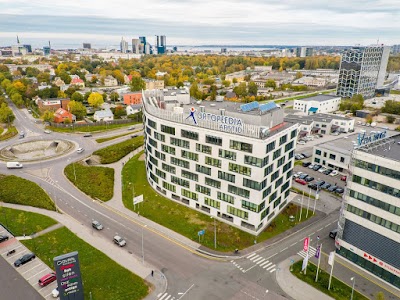
Travel and Stay
Round-trip flight
From JFK
- 1 stop
- $630
- Multiple stops
- $689
One-night stay
Average price in Estonia
Average price for one night in Estonia, shown in US dollars.
Attractions
In Tallinn
- Helsinki day cruise from Tallinn (independent visit)
- Monks, Ghosts and Legends Self Guided Tour of Tallinn
- Guided Old Town Tallinn Historical Walking Tour
Frequently asked questions
When evaluating facilities for artificial disc replacement, consider the provider's experience, the facility's accreditation, and the standards of care they maintain. Look for hospitals that are internationally accredited and have a track record of successful outcomes in spine surgeries.
To ensure safety and quality, research the credentials of the surgeons performing the artificial disc replacement and check for any patient reviews or testimonials. Additionally, verify that the facility adheres to international healthcare standards and has the necessary certifications.
Recovery time after an artificial disc replacement can vary, but many patients can expect to return to normal activities within a few weeks. However, travel can affect recovery, so it's important to plan for adequate rest and follow-up care after returning home.
Before choosing a provider for artificial disc replacement, ask about their experience with the procedure, the types of artificial discs they use, and their post-operative care protocols. Additionally, inquire about the facility's accreditation and any potential risks associated with the surgery.
While the cost of artificial disc replacement abroad may be lower than in the U.S., it's important to consider all associated expenses, including travel, accommodation, and follow-up care. Researching multiple providers can help you understand the overall financial implications without making direct cost comparisons.
Estonia is known for its modern healthcare infrastructure and welcoming attitude towards international patients. Before traveling, it's important to plan your itinerary, including accommodations and transportation. Many medical facilities are located in urban areas like Tallinn, making it easier to access services and recovery options.
Estonia generally has a lower cost of living compared to the U.S., which can be beneficial for medical travelers. While prices for lodging, food, and transportation are typically more affordable, it's wise to budget according to your personal preferences and needs. Always check current prices to plan effectively.
U.S. citizens can enter Estonia for short stays of up to 90 days without a visa for tourism or medical travel. However, it's essential to have a valid passport and ensure it remains valid for the duration of your stay. Always check for the latest travel advisories and entry requirements before your trip.
Yes, English is widely spoken in Estonia, particularly in urban areas and among healthcare professionals. Many doctors and medical staff are proficient in English, making communication easier for American medical travelers. This can help ensure a smoother experience during your visit.
Estonia has a well-developed public transportation system, including buses, trams, and trains, making it easy to navigate cities like Tallinn. For added convenience, consider using taxis or rideshare services. Planning your transportation in advance can help ensure a smooth recovery process after your medical care.
Data last updated July 10, 2026. Prices and savings are estimates, not guarantees.