

Treatment destination
Microdiscectomy Care in Estonia
Microdiscectomy in Estonia is listed on CureValue.

Why Americans travel for microdiscectomy care
Microdiscectomy is a surgical procedure designed to relieve pressure on spinal nerves caused by a herniated disc, which can lead to symptoms such as pain, numbness, or weakness in the legs or back. During the procedure, a surgeon removes a small portion of the disc that is pressing on the nerve, typically using minimally invasive techniques that may result in less tissue damage and quicker recovery times. Patients may consider seeking Microdiscectomy abroad for various reasons, including shorter wait times, potential cost savings, or access to specialized care not readily available in the U.S. However, it is crucial to carefully evaluate factors such as the surgeon's experience, the quality and accreditation of the medical facility, and the transparency of costs. Additionally, patients should consider the logistics of travel, recovery time, and the availability of follow-up care after the procedure. While some patients report positive experiences with care abroad, it is important to approach this option with thorough research and realistic expectations.

Key stats: Microdiscectomy in Estonia

93
Top spine care facilities in Estonia
Compare all 1 provider →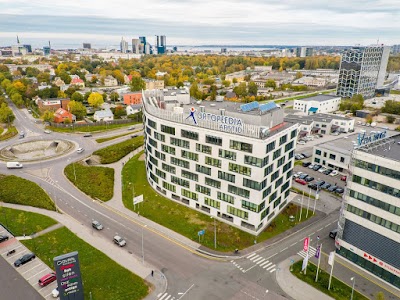
Travel and Stay
Round-trip flight
From JFK
Unavailable
One-night stay
Average price in Estonia
Average price for one night in Estonia, shown in US dollars.
Attractions
In Estonia
Unavailable
Frequently asked questions
When considering microdiscectomy abroad, it's important to research the qualifications and experience of the surgeons. Look for board certification, specialized training in spinal surgery, and a track record of performing the procedure. Additionally, inquire about the number of microdiscectomies they have performed and their outcomes.
To assess the safety and quality of facilities for microdiscectomy, check for international accreditations such as JCI or ISO certifications. Research the hospital's infection rates, patient reviews, and the availability of advanced medical technology. It's also beneficial to visit the facility if possible or consult with previous patients.
Recovery time after a microdiscectomy typically ranges from a few weeks to a few months, depending on individual factors. Patients should plan for a stay of at least one week post-surgery for initial recovery and follow-up appointments. Consider how this timeline fits into your travel plans and any necessary accommodations.
Before choosing a provider for microdiscectomy, ask about their experience with the procedure, the number of surgeries performed, and their complication rates. Inquire about the pre-operative and post-operative care they provide, as well as their policies on follow-up care and communication after you return home.
While the cost of microdiscectomy abroad can often be lower than in the U.S., it's essential to consider all associated expenses, including travel, accommodation, and follow-up care. Researching multiple providers and understanding what is included in the quoted price can help you make an informed decision without assuming guaranteed savings.
Estonia is known for its modern healthcare infrastructure and welcoming attitude towards international patients. Before traveling, it's important to plan your itinerary, including accommodations and transportation. Many medical facilities are located in urban areas like Tallinn, making it easier to access services and recovery options.
Estonia generally has a lower cost of living compared to the U.S., which can be beneficial for medical travelers. While prices for lodging, food, and transportation are typically more affordable, it's wise to budget according to your personal preferences and needs. Always check current prices to plan effectively.
U.S. citizens can enter Estonia for short stays of up to 90 days without a visa for tourism or medical travel. However, it's essential to have a valid passport and ensure it remains valid for the duration of your stay. Always check for the latest travel advisories and entry requirements before your trip.
Yes, English is widely spoken in Estonia, particularly in urban areas and among healthcare professionals. Many doctors and medical staff are proficient in English, making communication easier for American medical travelers. This can help ensure a smoother experience during your visit.
Estonia has a well-developed public transportation system, including buses, trams, and trains, making it easy to navigate cities like Tallinn. For added convenience, consider using taxis or rideshare services. Planning your transportation in advance can help ensure a smooth recovery process after your medical care.
Data last updated July 10, 2026. Prices and savings are estimates, not guarantees.