

Treatment destination
Regenerative medicine Care in India
Regenerative medicine in India typically costs about $7,000 on CureValue-listed providers, about 53 percent less than typical US prices.

Why Americans travel for regenerative medicine care
Regenerative medicine is a field of medical treatment focused on repairing or replacing damaged tissues and organs, often using techniques such as stem cell therapy, tissue engineering, or platelet-rich plasma injections. It may be recommended for various conditions, including joint pain, sports injuries, and certain degenerative diseases. Common procedures involve extracting cells from the patient’s own body or using donor cells to promote healing and regeneration. Some Americans consider seeking regenerative medicine abroad due to factors like limited availability, long wait times, or high costs in the U.S. While potential benefits of receiving care overseas may include access to innovative treatments or shorter waiting periods, it is crucial to carefully evaluate the experience of the provider, the quality and accreditation of the facility, and the transparency of costs. Additionally, patients should consider recovery times, travel logistics, and the availability of follow-up care when making their decision.

Key stats: Regenerative medicine in India

87
Regenerative medicine costs in India vs the US
Estimates from providers listed on CureValue. Actual prices vary by provider and case.
| Procedure | India price range | Typical US cost | Average savings |
|---|---|---|---|
| Regenerative Medicine | about $7,000 | about $15,000 | 53% |
Regenerative Medicine
Top stem cell therapy facilities in India
Compare all 55 providers →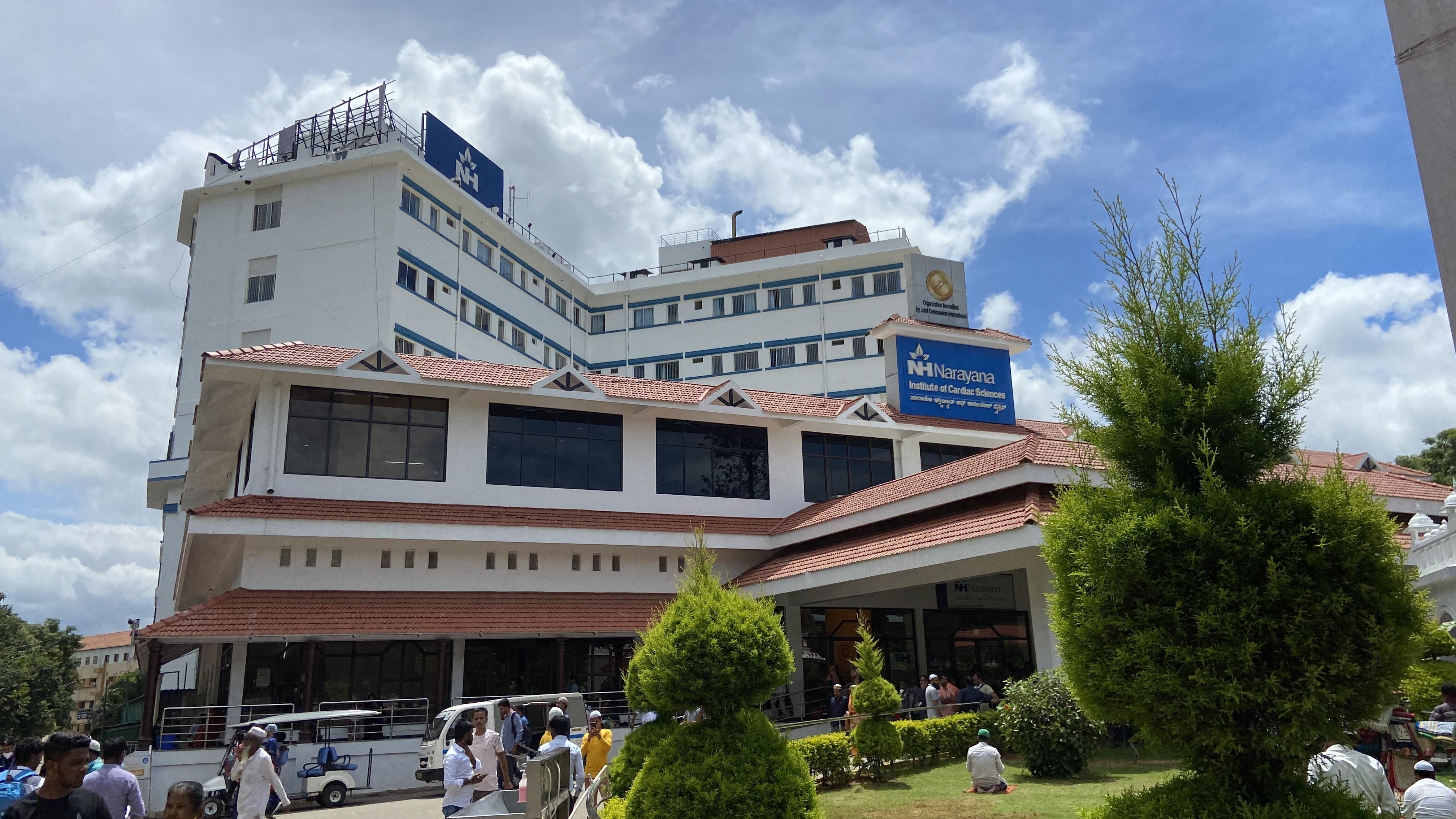


Travel and Stay
Round-trip flight
From JFK
Unavailable
One-night stay
Average price in India
Average price for one night in India, shown in US dollars.
Attractions
In India
Unavailable
Frequently asked questions
When evaluating regenerative medicine options abroad, consider the provider's experience, the facility's accreditation, and the specific techniques used. Research patient reviews and outcomes, and ensure that the clinic adheres to international safety standards.
To ensure safety and quality, look for clinics that are accredited by recognized international organizations and have experienced medical staff. Verify that they follow strict protocols for patient care and use high-quality materials in their procedures.
Before choosing a provider for regenerative medicine, ask about their experience with the specific treatment, the types of therapies they offer, and their success rates. Inquire about the facility's accreditation and what post-treatment support is available.
Recovery time for regenerative medicine treatments can vary based on the specific procedure and individual patient factors. Generally, patients may experience some downtime, but many can return to normal activities within a few days to weeks. It's important to discuss recovery expectations with your provider.
Costs for regenerative medicine abroad can vary widely and may be lower than in the U.S., but it's essential to consider the overall value, including provider experience and facility quality. Always request a detailed breakdown of costs and understand what is included in the treatment package.
When traveling to India for medical care, it's important to plan ahead. Ensure you have a valid passport and check the visa requirements for U.S. citizens, which typically involve applying for an e-Visa. Familiarize yourself with local customs and healthcare practices to enhance your experience.
The cost of living in India is generally lower than in the U.S., which can make accommodations, food, and transportation more affordable. However, prices can vary significantly depending on the city and the type of services you choose, so it's wise to budget accordingly.
Yes, English is widely spoken in India, particularly in urban areas and healthcare settings. Many healthcare professionals are fluent in English, which can help facilitate communication and ensure you understand your care options.
India has a robust healthcare infrastructure that caters to international patients, with many hospitals and clinics equipped with modern technology and experienced staff. Facilities often have dedicated international patient departments to assist with logistics and ensure a smooth experience.
Getting around in India can be convenient with various transportation options, including taxis, auto-rickshaws, and ride-sharing services. It's advisable to arrange transportation in advance for hospital visits and recovery, and many hotels offer shuttle services to medical facilities.
Data last updated July 10, 2026. Prices and savings are estimates, not guarantees.