

Treatment destination
Stem cell therapy for multiple sclerosis Care in South Korea
Stem cell therapy for multiple sclerosis in South Korea is listed on CureValue.

Why Americans travel for stem cell therapy for multiple sclerosis care
Stem cell therapy for multiple sclerosis (MS) is a treatment that aims to repair or replace damaged nerve cells in the central nervous system, potentially helping to reduce symptoms and slow disease progression. This therapy is often considered for patients with aggressive forms of MS or those who have not responded well to conventional treatments. The procedure typically involves collecting stem cells from the patient's own blood or bone marrow, followed by a conditioning regimen to prepare the immune system before reintroducing the stem cells. Americans may seek this treatment abroad due to factors such as limited availability, long wait times, or high costs in the U.S. While some patients report positive experiences with stem cell therapy overseas, it is important to approach this option cautiously, as results can vary widely. Key considerations include the experience and qualifications of the healthcare providers, the quality and accreditation of the facilities, transparency regarding costs, and the logistics of travel and follow-up care. Patients should thoroughly research and weigh these factors to make an informed decision about pursuing stem cell therapy for MS outside the United States.

Key stats: Stem cell therapy for multiple sclerosis in South Korea

88
Top stem cell therapy facilities in South Korea
Compare all 4 providers →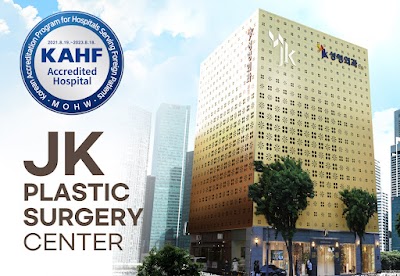

Travel and Stay
Round-trip flight
From JFK
Unavailable
One-night stay
Average price in South Korea
Average price for one night in South Korea, shown in US dollars.
Attractions
In South Korea
Unavailable
Frequently asked questions
When evaluating clinics, consider the provider's experience with stem cell therapy specifically for multiple sclerosis, the facility's accreditation, and the standards of care they follow. Look for patient reviews and testimonials to gauge the quality of care and outcomes.
To ensure safety and quality, verify that the clinic is accredited by recognized international health organizations and that the medical staff has specialized training in stem cell therapies. Additionally, inquire about the protocols for patient safety and the source of the stem cells used in treatments.
Recovery times can vary, but many patients may experience some initial fatigue and require a few days to a week for rest before resuming normal activities. Follow-up appointments are often necessary to monitor progress and manage any side effects, so plan for additional travel if needed.
Ask about the provider's experience with multiple sclerosis treatments, the specific type of stem cells used, the expected outcomes, and the risks involved. Additionally, inquire about the clinic's accreditation and the support available during your recovery.
While many patients seek treatment abroad for potential cost savings, prices can vary widely based on the clinic and location. It's important to consider not just the upfront costs but also the quality of care and any additional expenses for travel and follow-up care.
When planning your trip to South Korea for medical care, it's important to research the healthcare facilities and understand the logistics of your stay. Many hospitals cater to international patients, offering services in English and assistance with travel arrangements. Additionally, familiarize yourself with local customs and transportation options to ensure a smooth experience.
The cost of living in South Korea can vary significantly depending on the city and lifestyle. Generally, accommodations, food, and transportation can be more affordable than in many U.S. cities. However, it's wise to budget according to your personal preferences and needs, as prices can fluctuate.
U.S. citizens traveling to South Korea for short stays, including medical travel, typically do not need a visa for visits of up to 90 days. However, it's essential to have a valid passport and check for any updates on entry requirements before your trip. Always verify the latest information from official sources.
English is commonly spoken in major cities and tourist areas in South Korea, particularly in healthcare settings that cater to international patients. Many medical professionals are proficient in English, which can help ease communication during your visit. However, learning a few basic Korean phrases can enhance your experience.
South Korea has an efficient public transportation system, including subways, buses, and taxis, making it easy to navigate cities. For medical travelers, many hospitals offer shuttle services or assistance with transportation arrangements. It's advisable to download local transportation apps to help plan your journeys.
Data last updated July 10, 2026. Prices and savings are estimates, not guarantees.