

Treatment destination
Artificial urinary sphincter Care in Jordan
Artificial urinary sphincter in Jordan is listed on CureValue.

Why Americans travel for artificial urinary sphincter care
An artificial urinary sphincter (AUS) is a medical device designed to help individuals with urinary incontinence, a condition where one loses control over urination, often due to prostate surgery, neurological disorders, or other pelvic issues. The treatment typically involves surgically implanting a cuff around the urethra, which can be inflated or deflated to control the flow of urine. Patients may consider seeking this procedure abroad for various reasons, such as shorter wait times, availability of specialized care, or potential cost savings. While some patients report benefits from receiving care in other countries, it is crucial to carefully evaluate factors such as the surgeon's experience, the quality and accreditation of the medical facility, and the transparency of costs. Additionally, consider the logistics of travel, recovery time, and the availability of follow-up care, as these can significantly impact the overall experience and outcome of the treatment.

Key stats: Artificial urinary sphincter in Jordan

83
Top urology facilities in Jordan
Compare all 1 provider →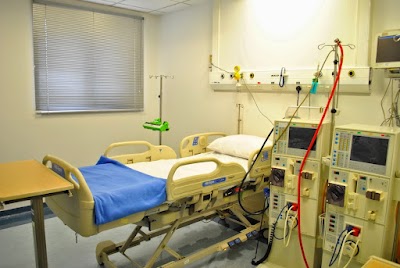
Travel and Stay
Round-trip flight
From JFK
Unavailable
One-night stay
Average price in Jordan
Average price for one night in Jordan, shown in US dollars.
Attractions
In Jordan
Unavailable
Frequently asked questions
When seeking a provider for an artificial urinary sphincter, consider their experience with the procedure, the facility's accreditation, and the standards of care they maintain. It's also important to review patient testimonials and inquire about the surgical team's qualifications.
To ensure safety and quality, look for internationally accredited facilities and check if the surgeons are board-certified in urology or a related field. Additionally, ask about the hospital's infection rates and post-operative care protocols.
Recovery time after an artificial urinary sphincter procedure can vary, but most patients can expect to return to normal activities within a few weeks. It's important to discuss specific recovery timelines with your surgeon, as individual factors can influence healing.
Follow-up care typically includes several appointments to monitor healing and device function. Ensure your provider has a clear plan for follow-up visits and that they can accommodate any concerns that may arise post-surgery.
Before selecting a provider, ask about their experience with the artificial urinary sphincter procedure, the types of devices they use, and their post-operative care protocols. Additionally, inquire about the facility's accreditation and how they handle complications if they arise.
Before traveling to Jordan for medical care, it's important to plan your itinerary, including accommodations and transportation. Many medical travelers find it helpful to connect with local resources or support services that can assist with logistics. Additionally, familiarize yourself with local customs and healthcare practices to enhance your experience.
The cost of living in Jordan is generally lower than in the U.S., which can make accommodations, food, and transportation more affordable. However, prices can vary based on location and personal preferences, so it's wise to budget accordingly and research options that fit your needs.
U.S. citizens traveling to Jordan typically need a visa, which can often be obtained upon arrival at the airport. It's advisable to check the latest entry requirements before your trip, as regulations can change. Ensure your passport is valid for at least six months beyond your planned departure date.
Yes, English is widely spoken in Jordan, particularly in urban areas and among healthcare professionals. Many doctors and medical staff are fluent in English, which can help facilitate communication and ensure a smoother experience for American medical travelers.
Getting around in Jordan is relatively easy, with options including taxis, ride-sharing services, and public transportation. Many medical travelers prefer to arrange transportation through their healthcare provider or local support services for convenience. It's also helpful to plan for recovery logistics, such as proximity to your accommodation and medical facility.
Data last updated July 10, 2026. Prices and savings are estimates, not guarantees.