

Treatment destination
Continent urinary diversion Care in India
Continent urinary diversion in India is listed on CureValue.

Why Americans travel for continent urinary diversion care
Continent urinary diversion is a surgical procedure designed to create a new way for urine to be stored and expelled from the body, typically recommended for patients with bladder cancer, severe bladder dysfunction, or those who have undergone cystectomy (removal of the bladder). This procedure often involves constructing a pouch from a segment of the intestine, which allows for controlled urination through a catheter or a valve, helping to maintain a degree of continence. Patients may consider seeking this treatment abroad for various reasons, such as shorter wait times, availability of specialized techniques, or potentially lower costs, though these factors can vary widely by location. When evaluating care outside the U.S., it is crucial to consider the experience of the healthcare provider, the quality and accreditation of the facility, transparency in costs, and the logistics of recovery and follow-up care. While some patients may find benefits in terms of access and affordability, it is essential to thoroughly research and weigh all aspects of care to ensure a safe and informed decision.

Key stats: Continent urinary diversion in India

87
Top urology facilities in India
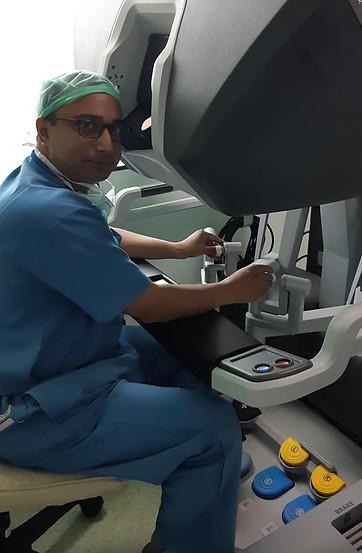
Compare all 82 providers →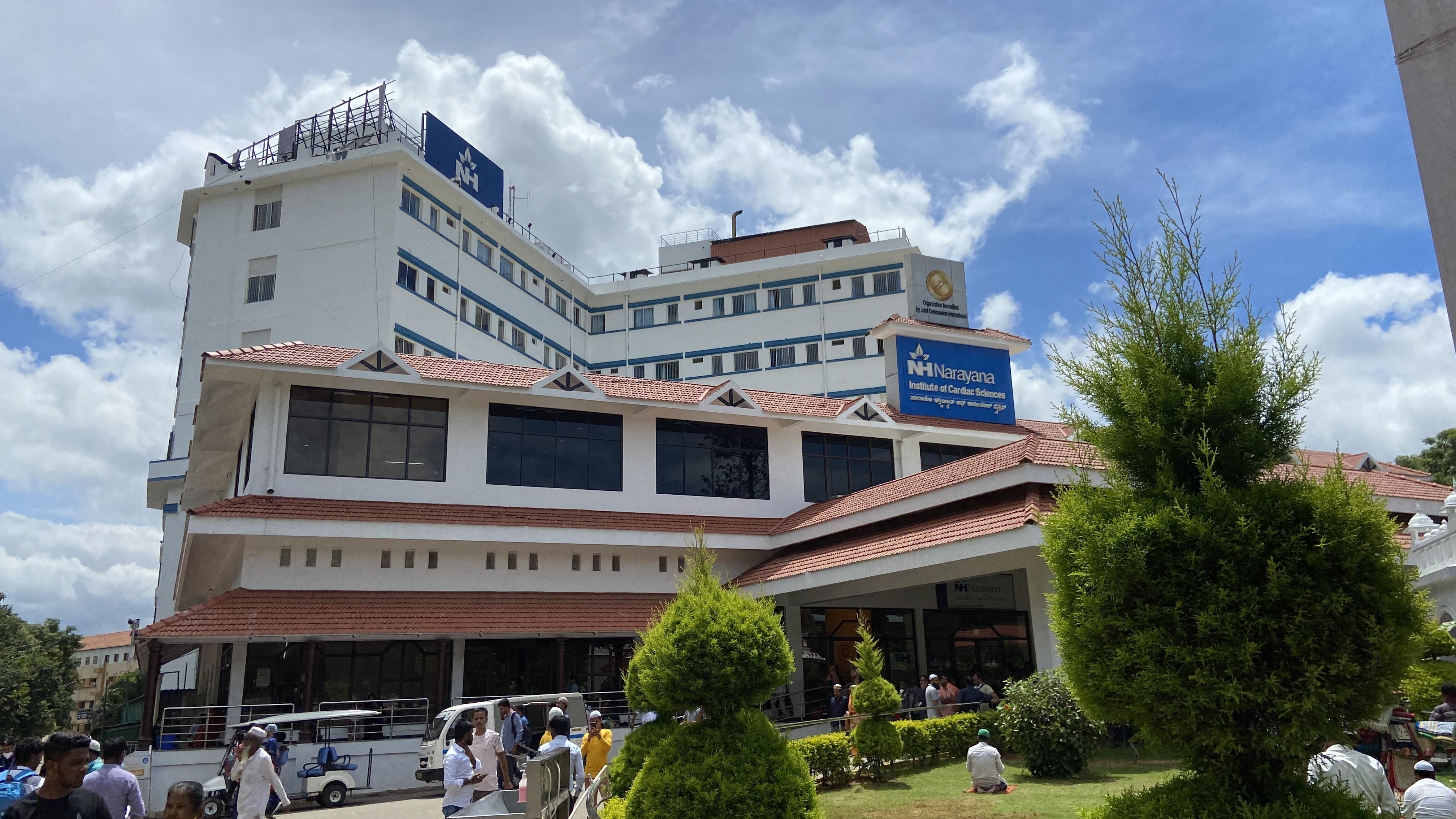

Travel and Stay
Round-trip flight
From JFK
Unavailable
One-night stay
Average price in India
Average price for one night in India, shown in US dollars.
Attractions
In India
Unavailable
Frequently asked questions
When evaluating facilities for Continent Urinary Diversion, consider the provider's experience, the facility's accreditation, and the standards of care they maintain. Look for hospitals that specialize in urology and have a track record of successful procedures. Additionally, check for patient reviews and testimonials to gauge the quality of care.
The typical recovery period after Continent Urinary Diversion can range from a few weeks to several months, depending on individual health factors and the complexity of the procedure. Most patients can expect to stay in the destination country for at least one to two weeks for initial recovery and follow-up appointments before traveling back home.
Before choosing a provider for Continent Urinary Diversion, ask about their experience with the procedure, the number of surgeries they perform annually, and their complication rates. Inquire about the facility's accreditation, the availability of post-operative care, and how they handle follow-up consultations after you return home.
To ensure safety and quality of care for Continent Urinary Diversion, research the facility's accreditation and certifications, and verify that the surgical team is qualified and experienced. Look for hospitals that adhere to international healthcare standards and have positive patient outcomes. Additionally, consider reaching out to former patients for their experiences.
The cost of Continent Urinary Diversion abroad can vary significantly based on the destination and facility, but it is often lower than in the U.S. However, it's important to consider not just the price but also the quality of care and the experience of the provider. Always request a detailed breakdown of costs and what is included in the price before making a decision.
When traveling to India for medical care, it's important to plan ahead. Ensure you have a valid passport and check the visa requirements for U.S. citizens, which typically involve applying for an e-Visa. Familiarize yourself with local customs and healthcare practices to enhance your experience.
The cost of living in India is generally lower than in the U.S., which can make accommodations, food, and transportation more affordable. However, prices can vary significantly depending on the city and the type of services you choose, so it's wise to budget accordingly.
Yes, English is widely spoken in India, particularly in urban areas and healthcare settings. Many healthcare professionals are fluent in English, which can help facilitate communication and ensure you understand your care options.
India has a robust healthcare infrastructure that caters to international patients, with many hospitals and clinics equipped with modern technology and experienced staff. Facilities often have dedicated international patient departments to assist with logistics and ensure a smooth experience.
Getting around in India can be convenient with various transportation options, including taxis, auto-rickshaws, and ride-sharing services. It's advisable to arrange transportation in advance for hospital visits and recovery, and many hotels offer shuttle services to medical facilities.
Data last updated July 10, 2026. Prices and savings are estimates, not guarantees.