

Treatment destination
Lithotripsy Care in Ukraine
Lithotripsy in Ukraine typically costs about $800 on CureValue-listed providers, about 47 percent less than typical US prices.

Why Americans travel for lithotripsy care
Lithotripsy is a medical procedure used to treat kidney stones by using shock waves to break them into smaller pieces, making them easier to pass through the urinary tract. It is often recommended for patients experiencing symptoms such as severe pain, blood in urine, or urinary tract infections caused by stones. The procedure typically involves the use of a specialized machine that generates shock waves, which are directed at the stones while the patient lies on a treatment table. Americans may consider seeking lithotripsy abroad for various reasons, including shorter wait times, potential cost savings, or greater availability of certain technologies. While some patients report benefits from receiving care in other countries, it is important to carefully evaluate factors such as the experience of the healthcare provider, the quality and accreditation of the facility, transparency of costs, recovery time, travel logistics, and the availability of follow-up care. Thorough research and consultation with healthcare professionals are essential to make an informed decision about receiving lithotripsy outside the United States.

Key stats: Lithotripsy in Ukraine

87
Lithotripsy costs in Ukraine vs the US
Estimates from providers listed on CureValue. Actual prices vary by provider and case.
| Procedure | Ukraine price range | Typical US cost | Average savings |
|---|---|---|---|
| Lithotripsy | about $800 | about $1,500 | 47% |
Lithotripsy
Top urology facilities in Ukraine
Compare all 2 providers →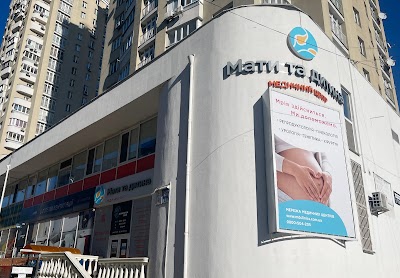

Travel and Stay
Round-trip flight
From JFK
Unavailable
One-night stay
Average price in Ukraine
Average price for one night in Ukraine, shown in US dollars.
Attractions
In Ukraine
Unavailable
Frequently asked questions
When searching for a facility for lithotripsy, consider the provider's experience, the accreditation of the facility, and the technology used for the procedure. It's also important to check patient reviews and the facility's track record with similar procedures.
To ensure safety and quality, look for facilities that are accredited by recognized international health organizations. Additionally, inquire about the qualifications and experience of the medical team performing the lithotripsy, as well as the technology and techniques they use.
Recovery time after lithotripsy can vary, but most patients can expect to resume normal activities within a few days. However, it's advisable to plan for a follow-up appointment and allow for some rest before traveling back home, as individual recovery experiences may differ.
Before selecting a provider for lithotripsy, ask about their experience with the procedure, the technology they use, and their success rates. Additionally, inquire about post-procedure care, potential complications, and how they handle follow-up appointments.
While costs for lithotripsy abroad may be lower than in the United States, it's important to consider all associated expenses, including travel and accommodation. Always request a detailed breakdown of costs from the provider and compare it to your potential expenses in the U.S. to make an informed decision.
Before traveling to Ukraine for medical care, it's important to plan your trip carefully. Ensure you have a valid passport and check the latest visa requirements for U.S. citizens. Familiarize yourself with local customs and healthcare facilities, and consider arranging transportation in advance to make your journey smoother.
The cost of living in Ukraine is generally lower than in the U.S., which can be beneficial for medical travelers. Expenses such as lodging, food, and transportation are often more affordable, but it's wise to budget according to your personal preferences and needs. Always research current prices to get a better understanding of what to expect.
While Ukrainian and Russian are the primary languages spoken in Ukraine, many healthcare professionals and staff in major cities and medical facilities speak English. It's helpful to learn a few basic phrases in Ukrainian or Russian, but you can generally find English-speaking assistance in tourist areas and hospitals.
Getting around Ukraine is relatively easy, especially in larger cities like Kyiv and Lviv. Public transportation options include buses, trams, and metro systems, which are affordable and efficient. For more convenience, consider using ride-sharing apps or arranging private transportation through your medical facility.
Ukraine has a growing healthcare infrastructure that caters to international patients, with many facilities equipped to handle medical tourism. Hospitals and clinics often have experience working with foreign patients and may offer services in English. It's advisable to verify the accreditation and reputation of the facility you choose to ensure a positive experience.
Data last updated July 10, 2026. Prices and savings are estimates, not guarantees.