

Treatment destination
Urology Care in Lebanon
Lebanon has 1 urology provider listed on CureValue, with typical prices from $600 to $10,000 and average savings of 52% compared with US costs.

Why Americans travel for urology care
Peyronie’s disease is a condition characterized by the development of fibrous scar tissue inside the penis, which can lead to curved, painful erections and may affect sexual function. Treatment options typically include medications, injections, or surgical procedures aimed at reducing curvature and restoring function, often recommended for men experiencing significant pain or difficulty during intercourse. Some patients may consider seeking treatment abroad due to factors such as shorter wait times, potential cost savings, or access to specific procedures not widely available in the U.S. While there may be potential benefits to receiving care overseas, such as different treatment options or specialized expertise, it is crucial to carefully evaluate the experience of the healthcare provider, the quality and accreditation of the facility, and the transparency of costs. Additionally, patients should consider recovery time, travel logistics, and the availability of follow-up care when making their decision.

Key stats: Urology in Lebanon

78
Urology costs in Lebanon vs the US
Estimates from providers listed on CureValue. Actual prices vary by provider and case.
| Procedure | Lebanon price range | Typical US cost | Average savings |
|---|---|---|---|
| Kidney Stone Removal | $2,500 to $3,000 | $7,500 to $8,000 | 65% |
| Prostate biopsy | $600 to $800 | about $1,500 | 54% |
| Kidney stones treatment | about $3,000 | about $5,000 | 40% |
| Prostatectomy | about $10,000 | about $15,000 | 33% |
Kidney Stone Removal
Prostate biopsy
Kidney stones treatment
Prostatectomy
Top urology facilities in Lebanon
Compare all 1 provider →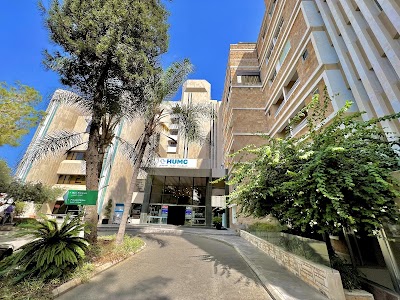
Travel and Stay
Round-trip flight
From JFK
Unavailable
One-night stay
Average price in Lebanon
Average price for one night in Lebanon, shown in US dollars.
Attractions
In Lebanon
Unavailable
Frequently asked questions
When evaluating international options for Peyronies Disease treatment, consider the provider's experience, facility accreditation, and patient reviews. It's also important to assess the specific techniques used and whether they align with your treatment goals. Researching the healthcare system in the destination can provide insights into the overall quality of care.
To ensure safety and quality, look for accredited facilities and board-certified specialists with experience in treating Peyronies Disease. Verify that the clinic adheres to international health standards and check for any patient testimonials or reviews. It's also advisable to inquire about the protocols in place for patient safety and post-operative care.
Key questions to ask include the provider's experience with Peyronies Disease, the specific techniques they use, and their success rates. Additionally, inquire about the facility's accreditation, the expected recovery timeline, and follow-up care options. Understanding the costs involved and what is included in the treatment package is also crucial.
Recovery time after Peyronies Disease treatment can vary based on the specific procedure performed. Generally, patients may need a few days to a week for initial recovery, but full healing can take several weeks. It's important to discuss the expected recovery timeline with your provider and plan for any necessary follow-up appointments.
While costs for Peyronies Disease treatment abroad can often be lower than in the U.S., it's essential to consider the overall value, including the quality of care and potential additional expenses like travel and accommodation. Always request a detailed breakdown of costs from providers and compare what is included in the treatment package to make an informed decision.
When planning your trip to Lebanon for medical care, it's important to research the healthcare facilities available and understand the logistics of your stay. Many hospitals cater to international patients and offer services in English. Additionally, consider arranging transportation in advance to ensure smooth travel to and from your appointments.
U.S. citizens traveling to Lebanon typically need a valid passport and may require a visa, which can often be obtained upon arrival for short stays. It's advisable to check the latest entry requirements before your trip, as regulations can change. Ensure your passport is valid for at least six months beyond your planned departure date.
The cost of living in Lebanon can be significantly lower than in the U.S., particularly in terms of lodging, food, and transportation. However, prices can vary widely depending on the area and your personal preferences. It's a good idea to budget accordingly and explore local options for accommodations and meals to make the most of your stay.
Yes, English is widely spoken in Lebanon, particularly in urban areas and among healthcare professionals. Many hospitals and clinics that cater to international patients have staff who are fluent in English, making communication easier for American travelers seeking medical care.
When planning for recovery in Lebanon, consider your accommodation's proximity to your healthcare facility and the availability of transportation. Many patients choose to stay in comfortable hotels or serviced apartments that offer amenities for recovery. It's also wise to have a plan for follow-up care and any necessary medications during your stay.
Data last updated July 10, 2026. Prices and savings are estimates, not guarantees.