

Treatment destination
Prostatectomy Care in Greece
Prostatectomy in Greece typically costs $8,000 to $12,000 on CureValue-listed providers, about 25 percent less than typical US prices.

Why Americans travel for prostatectomy care
A prostatectomy is a surgical procedure that involves the removal of all or part of the prostate gland, typically recommended for men diagnosed with prostate cancer, benign prostatic hyperplasia (BPH), or other prostate-related conditions that cause significant symptoms such as difficulty urinating. The procedure can be performed using various techniques, including open surgery, laparoscopic surgery, or robotic-assisted surgery, each with its own set of advantages and considerations. Some Americans may consider seeking a prostatectomy abroad due to factors such as shorter wait times, potential cost savings, or the availability of specific surgical techniques not widely offered in the U.S. However, it is crucial to carefully evaluate the experience of the healthcare provider, the quality and accreditation of the medical facility, and the transparency of costs before making a decision. Additionally, patients should consider recovery time, travel logistics, and the availability of follow-up care after returning home, as these factors can significantly impact the overall experience and outcome of the treatment.

Key stats: Prostatectomy in Greece

91
Prostatectomy costs in Greece vs the US
Estimates from providers listed on CureValue. Actual prices vary by provider and case.
| Procedure | Greece price range | Typical US cost | Average savings |
|---|---|---|---|
| Prostatectomy | $8,000 to $12,000 | about $15,000 | 25% |
Prostatectomy
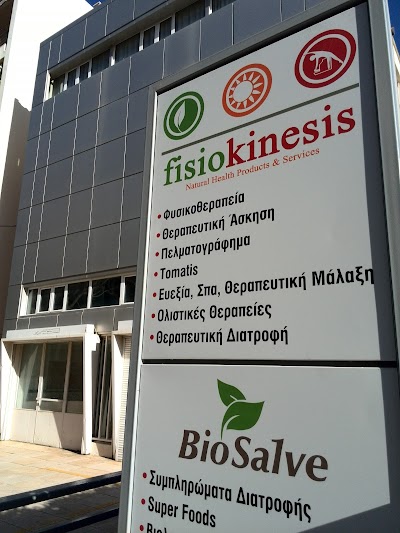
Top urology facilities in Greece
Compare all 8 providers →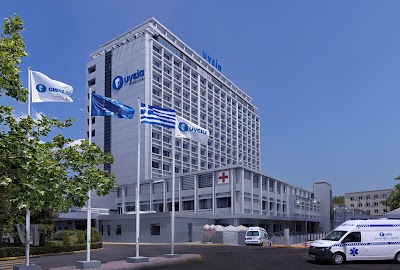

Travel and Stay
Round-trip flight
From JFK
Unavailable
One-night stay
Average price in Greece
Average price for one night in Greece, shown in US dollars.
Attractions
In Greece
Unavailable
Frequently asked questions
When evaluating international options for prostatectomy, consider the provider's experience, the facility's accreditation, and the standards of care. Research patient reviews and outcomes, and ensure the facility has the necessary technology and support for your specific needs.
To ensure safety and quality of care for prostatectomy abroad, look for accredited facilities and board-certified surgeons with extensive experience in the procedure. Verify that the hospital meets international healthcare standards and inquire about their infection control protocols.
Recovery time after a prostatectomy can vary, but most patients can expect to stay in the hospital for a few days and may need several weeks for full recovery. Plan your travel accordingly, allowing time for follow-up appointments and any necessary rest before returning home.
Before choosing a provider for prostatectomy, ask about their experience with the procedure, the number of surgeries performed, and their complication rates. Inquire about the facility's accreditation, post-operative care, and how they handle follow-up consultations after your return home.
While the cost of prostatectomy abroad may be lower than in the United States, it is important to consider all associated expenses, including travel, accommodation, and follow-up care. Research and compare total costs carefully, and ensure you understand what is included in the quoted price.
When planning a trip to Greece for medical care, it's important to research the healthcare facilities and understand the logistics of your travel. Many hospitals in Greece are equipped to handle international patients, and English is commonly spoken in healthcare settings. Additionally, consider the proximity of your accommodation to the medical facility for ease of access during recovery.
Greece generally has a lower cost of living compared to the U.S., which can be beneficial for medical travelers. While prices for lodging, food, and transportation can vary by region, many visitors find that they can enjoy a comfortable stay at a reasonable price. It's advisable to budget for your specific needs and preferences while in Greece.
U.S. citizens can enter Greece for short stays of up to 90 days without a visa for tourism or medical purposes. However, it's important to ensure your passport is valid for at least three months beyond your planned departure date from the Schengen Area. Always check for the latest travel advisories and entry requirements before your trip.
Yes, English is widely spoken in Greece, particularly in tourist areas and healthcare facilities. Many medical professionals are fluent in English, which can help facilitate communication during your medical travel experience. This can make your visit more comfortable and ensure you understand your care options.
Getting around in Greece can be convenient, with options such as public transportation, taxis, and rental cars available. Depending on your recovery needs, you may want to choose accommodations close to your medical facility. It's also wise to plan for any mobility assistance you might require post-treatment, ensuring a smooth recovery process.
Data last updated July 10, 2026. Prices and savings are estimates, not guarantees.