

Treatment destination
Prostatectomy Care in Japan
Prostatectomy in Japan is listed on CureValue.

Why Americans travel for prostatectomy care
A prostatectomy is a surgical procedure that involves the removal of all or part of the prostate gland, typically recommended for men diagnosed with prostate cancer, benign prostatic hyperplasia (BPH), or other prostate-related conditions that cause significant symptoms such as difficulty urinating. The procedure can be performed using various techniques, including open surgery, laparoscopic surgery, or robotic-assisted surgery, each with its own set of advantages and considerations. Some Americans may consider seeking a prostatectomy abroad due to factors such as shorter wait times, potential cost savings, or the availability of specific surgical techniques not widely offered in the U.S. However, it is crucial to carefully evaluate the experience of the healthcare provider, the quality and accreditation of the medical facility, and the transparency of costs before making a decision. Additionally, patients should consider recovery time, travel logistics, and the availability of follow-up care after returning home, as these factors can significantly impact the overall experience and outcome of the treatment.

Key stats: Prostatectomy in Japan

83
Top urology facilities in Japan
Compare all 1 provider →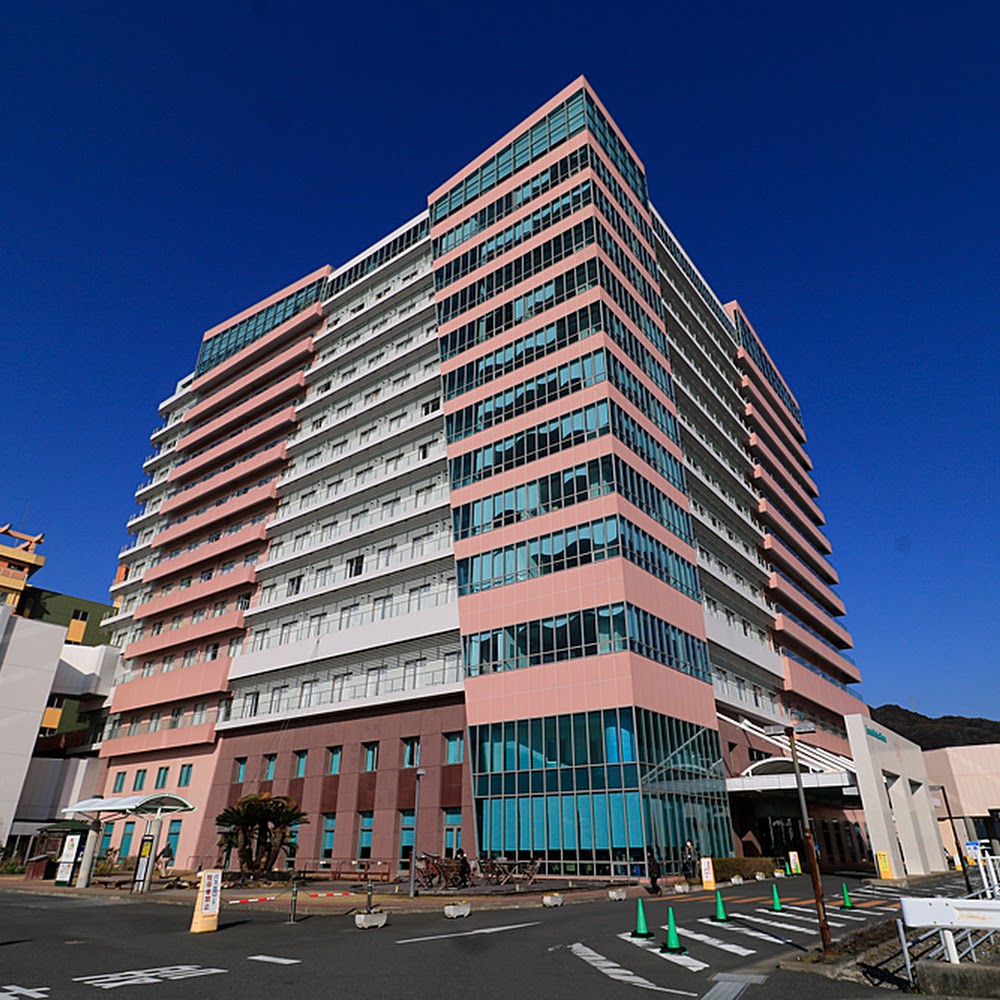
Travel and Stay
Round-trip flight
From JFK
Unavailable
One-night stay
Average price in Japan
Average price for one night in Japan, shown in US dollars.
Attractions
In Japan
Unavailable
Frequently asked questions
When evaluating international options for prostatectomy, consider the provider's experience, the facility's accreditation, and the standards of care. Research patient reviews and outcomes, and ensure the facility has the necessary technology and support for your specific needs.
To ensure safety and quality of care for prostatectomy abroad, look for accredited facilities and board-certified surgeons with extensive experience in the procedure. Verify that the hospital meets international healthcare standards and inquire about their infection control protocols.
Recovery time after a prostatectomy can vary, but most patients can expect to stay in the hospital for a few days and may need several weeks for full recovery. Plan your travel accordingly, allowing time for follow-up appointments and any necessary rest before returning home.
Before choosing a provider for prostatectomy, ask about their experience with the procedure, the number of surgeries performed, and their complication rates. Inquire about the facility's accreditation, post-operative care, and how they handle follow-up consultations after your return home.
While the cost of prostatectomy abroad may be lower than in the United States, it is important to consider all associated expenses, including travel, accommodation, and follow-up care. Research and compare total costs carefully, and ensure you understand what is included in the quoted price.
When planning a trip to Japan for medical care, it's important to research the healthcare facilities and understand the logistics of your stay. Many hospitals are well-equipped to handle international patients, and English-speaking staff are often available. Additionally, familiarize yourself with local customs and transportation options to ensure a smooth experience.
The cost of living in Japan can vary significantly depending on the city. Generally, urban areas like Tokyo may have higher accommodation and dining costs compared to rural regions. While some medical travelers find that certain expenses are lower than in the U.S., it's essential to budget for your specific needs and preferences.
U.S. citizens traveling to Japan for short stays, including medical travel, typically do not need a visa for visits up to 90 days. However, it's advisable to check the latest entry requirements and ensure your passport is valid for the duration of your stay. Always verify any updates before your trip.
While Japanese is the primary language, many healthcare facilities in Japan, especially those catering to international patients, have English-speaking staff. It's helpful to learn a few basic phrases in Japanese, but you can generally expect assistance in English at major hospitals and clinics.
Japan has an extensive and efficient public transportation system, including trains, subways, and buses, making it easy to navigate cities. For medical travelers, it's advisable to plan your routes in advance and consider purchasing a Japan Rail Pass for longer journeys. Taxis are also available, but they can be more expensive than public transport.
Data last updated July 10, 2026. Prices and savings are estimates, not guarantees.