

Immunotherapy Care in Vietnam
Immunotherapy in Vietnam typically costs $5,000 to $10,000 on CureValue-listed providers, about 39 percent less than typical US prices.

Why Americans travel for immunotherapy care
Immunotherapy is a type of treatment that helps the body's immune system recognize and fight cancer cells more effectively. It is often recommended for various cancers, including melanoma, lung cancer, and certain types of leukemia and lymphoma, and may involve techniques such as monoclonal antibodies, checkpoint inhibitors, or cancer vaccines. Some patients consider seeking immunotherapy abroad due to factors like access to specific treatments not available in the U.S., potentially lower costs, or shorter wait times for procedures. While there may be potential benefits to receiving care internationally, such as access to innovative therapies or specialized expertise, it is crucial to carefully evaluate the experience of healthcare providers, the quality and accreditation of facilities, and the transparency of costs. Additionally, patients should consider logistics like recovery time, travel requirements, and the availability of follow-up care to ensure a comprehensive approach to their treatment.

Key stats: Immunotherapy in Vietnam

88
Top cancer treatment facilities in Vietnam
Compare all 4 providers →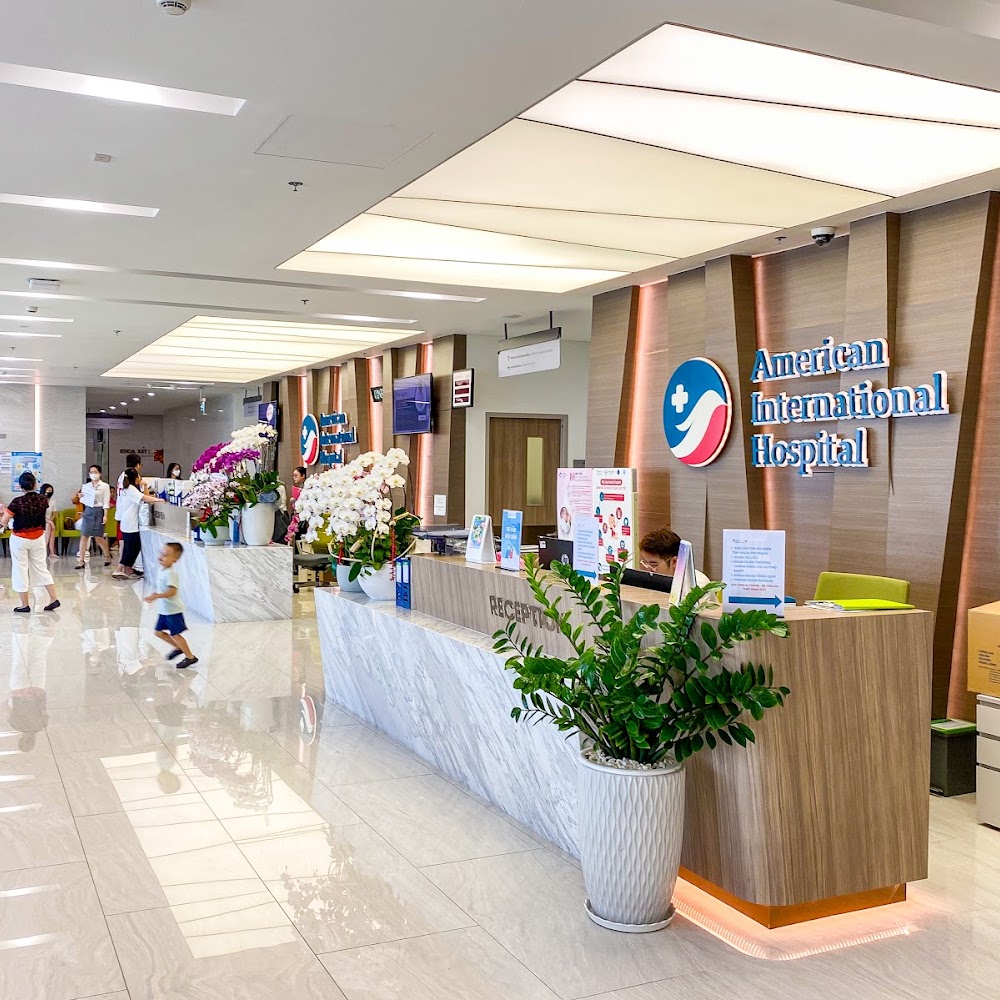
American International Hospital (AIH)
89
Travel and Stay
Round-trip flight
One-night stay
Attractions
Frequently asked questions
When evaluating immunotherapy options internationally, consider the provider's experience, facility accreditation, and the specific types of immunotherapy offered. Research the clinic's success rates and patient reviews, and ensure they follow international safety standards.
To assess safety and quality, look for clinics that are accredited by recognized international organizations. Additionally, inquire about the qualifications of the medical staff and the protocols they follow for immunotherapy treatments.
Recovery time after immunotherapy can vary based on the specific treatment and individual patient factors. Generally, patients may need to stay for a few days to a couple of weeks for monitoring and follow-up appointments, but this can differ by provider.
Before selecting a provider, ask about their experience with immunotherapy, the types of treatments they offer, and their success rates. Additionally, inquire about the facility's accreditation, follow-up care, and how they handle complications or side effects.
While many patients seek immunotherapy abroad for potential cost savings, prices can vary widely based on the provider and location. It's important to obtain detailed quotes and understand what is included in the cost, as well as any additional expenses for travel and accommodation.
Before traveling to Vietnam for medical care, it's important to plan your itinerary, including accommodations and transportation. Familiarize yourself with local customs and healthcare practices. Many medical facilities cater to international patients, ensuring a comfortable experience. Additionally, consider bringing any necessary medical records and prescriptions.
Vietnam generally has a lower cost of living compared to the U.S., which can extend to lodging, food, and transportation. While prices can vary by city and region, many American travelers find that their expenses for daily living are significantly reduced. However, it's wise to budget according to your personal preferences and needs.
U.S. citizens traveling to Vietnam typically need a visa, which can be obtained online or upon arrival, depending on the length of stay. It's advisable to check the latest entry requirements and ensure your passport is valid for at least six months beyond your planned departure date. Planning ahead can help streamline your travel experience.
English is increasingly spoken in Vietnam, particularly in urban areas and tourist destinations. Many healthcare professionals in major hospitals and clinics are proficient in English, making communication easier for international patients. However, it can be helpful to learn a few basic Vietnamese phrases to enhance your experience.
Getting around Vietnam can be convenient with options like taxis, ride-sharing apps, and public transportation. For recovery, consider the proximity of your accommodation to your medical facility, as well as access to amenities like pharmacies and grocery stores. Planning your recovery space to be comfortable and accessible will help ensure a smooth healing process.
Data last updated July 10, 2026. Prices and savings are estimates, not guarantees.