

Thrombolytic therapy Care in Denmark
Thrombolytic therapy in Denmark typically costs $800 to $200,000 on CureValue-listed providers, about 25 percent less than typical US prices.

Why Americans travel for thrombolytic therapy care
Thrombolytic therapy is a medical treatment that involves the use of medications to dissolve blood clots that can block blood vessels, which is often critical in conditions such as heart attacks, strokes, or severe pulmonary embolisms. The therapy typically involves administering these clot-dissolving drugs intravenously or directly into the affected area, depending on the specific situation. Patients may consider seeking thrombolytic therapy abroad for various reasons, including shorter wait times, availability of specialized care, or potentially lower costs. However, it is essential to carefully evaluate the experience of the healthcare providers, the quality and accreditation of the facilities, and the transparency of costs before making a decision. Additionally, patients should consider the logistics of travel, recovery time, and the availability of follow-up care after the treatment. While some may find benefits in accessing this therapy internationally, it is crucial to approach such decisions with thorough research and consideration of all factors involved.

Key stats: Thrombolytic therapy in Denmark

88
Top cardiology facilities in Denmark
Compare all 1 provider →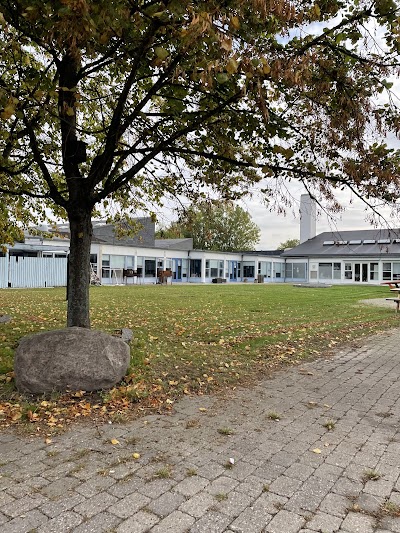
Travel and Stay
Round-trip flight
One-night stay
Attractions
Frequently asked questions
Safety is a top priority when seeking thrombolytic therapy internationally. It's essential to research the facility's accreditation, the experience of the medical team, and the protocols they follow for patient care. Look for hospitals that meet international standards and have a good track record in performing this specific procedure.
When comparing providers for thrombolytic therapy, consider factors such as the facility's accreditation, the qualifications and experience of the healthcare professionals, and patient reviews. It's also helpful to inquire about the specific technologies and techniques they use, as well as their post-treatment care protocols.
Recovery time after thrombolytic therapy can vary based on individual health conditions and the complexity of the procedure. Generally, patients may need to stay close to the treatment facility for a few days to monitor their recovery. It's important to plan for follow-up appointments and ensure you have adequate time for recovery before traveling back home.
Before choosing an international provider for thrombolytic therapy, ask about their experience with the procedure, the number of similar cases they handle annually, and their success rates. Additionally, inquire about the facility's accreditation, the availability of emergency care, and the specifics of post-treatment follow-up.
While many patients seek thrombolytic therapy abroad for potential cost savings, prices can vary widely based on the provider and location. It's important to obtain detailed quotes that include all associated costs, such as hospital fees, physician charges, and follow-up care, to make an informed comparison with U.S. treatment options.
When planning your trip to Denmark for medical care, it's important to research the healthcare facilities and understand the logistics of your stay. Ensure you have a valid passport and check if you need a visa, as U.S. citizens can typically stay for up to 90 days without one. Familiarize yourself with local customs and transportation options to make your experience smoother.
Denmark generally has a higher cost of living compared to many areas in the U.S., particularly in terms of accommodation, dining, and transportation. However, prices can vary significantly depending on the city and neighborhood. It's advisable to budget accordingly and explore options for lodging and meals that fit your financial plan.
Yes, English is widely spoken in Denmark, and most healthcare professionals are proficient in the language. This makes communication easier for American medical travelers. Additionally, many signs and information materials are available in English, enhancing your overall experience while navigating the country.
Denmark boasts a robust healthcare infrastructure, known for its high standards and quality of care. Many facilities are equipped to handle international patients, offering services tailored to their needs. It's beneficial to confirm that the facility you choose has experience with medical travelers to ensure a smooth process.
Denmark has an efficient public transportation system, including trains, buses, and metro services, making it easy to navigate cities. Many areas are also bike-friendly, and taxis are readily available. Planning your transportation in advance can help you manage your recovery logistics and ensure you can attend appointments comfortably.
Data last updated July 10, 2026. Prices and savings are estimates, not guarantees.