


Implantable cardioverter defibrillator (ICD) Care in Estonia
Implantable cardioverter defibrillator (ICD) in Estonia typically costs $12,000 to $30,000 on CureValue-listed providers, about 72 percent less than typical US prices.

Why Americans travel for implantable cardioverter defibrillator (icd) care
An Implantable Cardioverter Defibrillator (ICD) is a small device placed under the skin, typically in the chest area, that monitors heart rhythms and delivers electrical shocks if it detects life-threatening arrhythmias, helping to prevent sudden cardiac arrest. It is often recommended for individuals with certain heart conditions, such as cardiomyopathy or a history of heart attacks, who are at risk for dangerous heart rhythms. The procedure to implant an ICD usually involves a minor surgery where the device is inserted and connected to the heart via leads. Some Americans may consider receiving an ICD abroad due to factors like shorter wait times, availability of specialized care, or potentially lower costs, but it is essential to carefully evaluate the experience of the healthcare provider, the quality and accreditation of the facility, and the transparency of costs. While receiving care abroad may offer some logistical advantages, patients should also consider recovery time, travel requirements, and the availability of follow-up care to ensure comprehensive management of their heart health.

Key stats: Implantable cardioverter defibrillator (ICD) in Estonia

89
Top cardiology facilities in Estonia
Compare all 5 providers →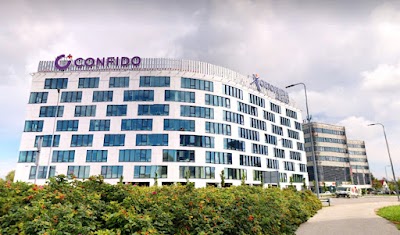


Travel and Stay
Round-trip flight
One-night stay
Attractions
Frequently asked questions
When evaluating facilities for an ICD, consider their accreditation status, the experience of the medical team, and the technology used. Research patient reviews and outcomes, and ensure the facility adheres to international safety standards.
To compare quality, look for information on the facility's accreditation, the qualifications of the cardiologists, and the hospital's track record with ICD procedures. Additionally, consider patient testimonials and any available data on complication rates.
Recovery time can vary, but most patients can expect to stay in the hospital for a day or two post-procedure, followed by a few weeks of limited activity. It's important to discuss specific recovery expectations with your healthcare provider before traveling.
Key questions include the provider's experience with ICD placements, the facility's accreditation, the type of technology used, and what post-operative care will be available. Also, inquire about follow-up appointments and how complications will be managed.
While costs can vary significantly by location and facility, many patients find that receiving an ICD abroad may be more affordable than in the U.S. However, it's essential to consider all associated costs, including travel, accommodation, and follow-up care.
Estonia is known for its modern healthcare infrastructure and welcoming attitude towards international patients. Before traveling, it's important to plan your itinerary, including accommodations and transportation. Many medical facilities are located in urban areas like Tallinn, making it easier to access services and recovery options.
Estonia generally has a lower cost of living compared to the U.S., which can be beneficial for medical travelers. While prices for lodging, food, and transportation are typically more affordable, it's wise to budget according to your personal preferences and needs. Always check current prices to plan effectively.
U.S. citizens can enter Estonia for short stays of up to 90 days without a visa for tourism or medical travel. However, it's essential to have a valid passport and ensure it remains valid for the duration of your stay. Always check for the latest travel advisories and entry requirements before your trip.
Yes, English is widely spoken in Estonia, particularly in urban areas and among healthcare professionals. Many doctors and medical staff are proficient in English, making communication easier for American medical travelers. This can help ensure a smoother experience during your visit.
Estonia has a well-developed public transportation system, including buses, trams, and trains, making it easy to navigate cities like Tallinn. For added convenience, consider using taxis or rideshare services. Planning your transportation in advance can help ensure a smooth recovery process after your medical care.
Data last updated July 10, 2026. Prices and savings are estimates, not guarantees.