

Aortic valve stenosis treatment Care in Japan
Aortic valve stenosis treatment in Japan typically costs $800 to $150,000 on CureValue-listed providers, about 37 percent less than typical US prices.

Why Americans travel for aortic valve stenosis treatment care
Aortic valve stenosis treatment is aimed at relieving the narrowing of the aortic valve, which can restrict blood flow from the heart and lead to symptoms like chest pain, fatigue, and shortness of breath. Common treatment options include surgical aortic valve replacement, where the damaged valve is replaced with a mechanical or biological valve, and transcatheter aortic valve replacement (TAVR), a less invasive procedure that involves inserting a new valve through a catheter. Patients may consider seeking this treatment abroad for various reasons, such as shorter wait times, potential cost savings, or access to specific procedures not readily available in the U.S. However, it is crucial to carefully evaluate factors like the experience of the healthcare provider, the quality and accreditation of the facility, and the transparency of costs. Additionally, patients should consider recovery time, travel logistics, and the availability of follow-up care after returning home. Understanding these elements can help patients make informed decisions about their treatment options for aortic valve stenosis.

Key stats: Aortic valve stenosis treatment in Japan

84
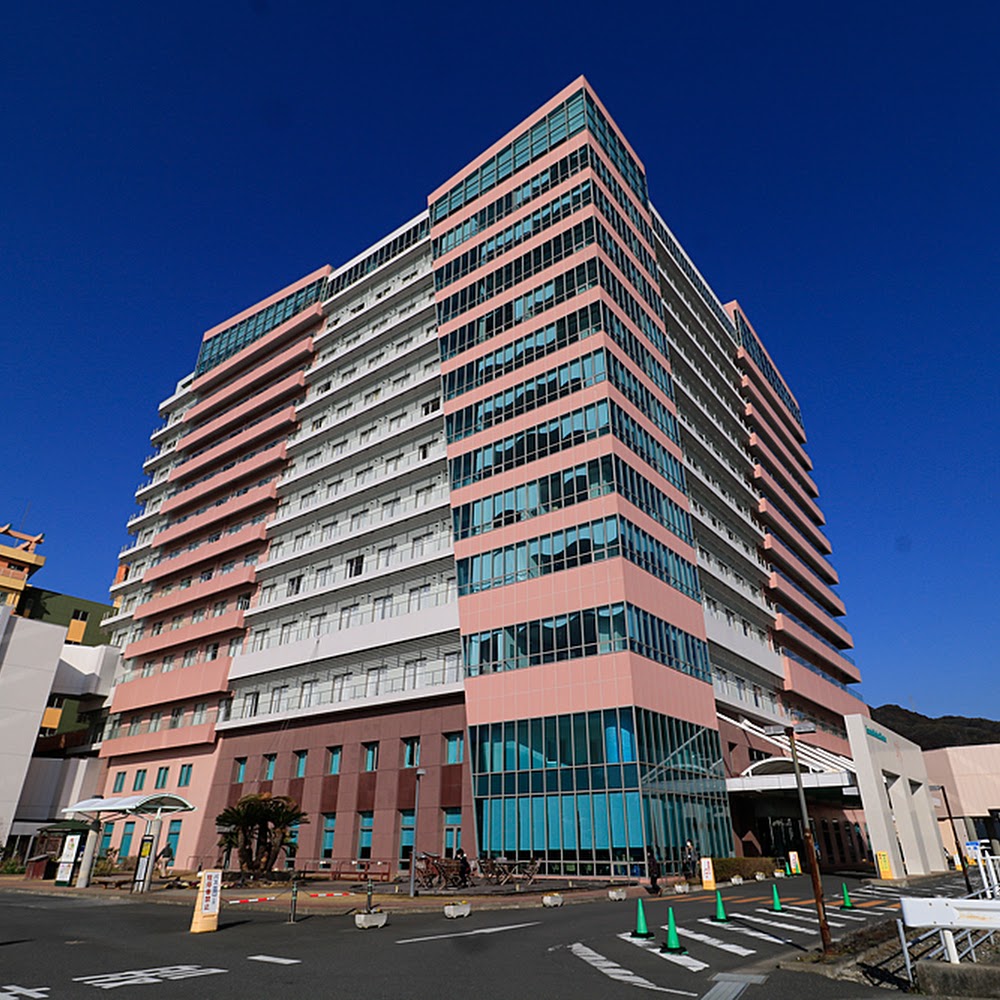
Top cardiology facilities in Japan
Compare all 3 providers →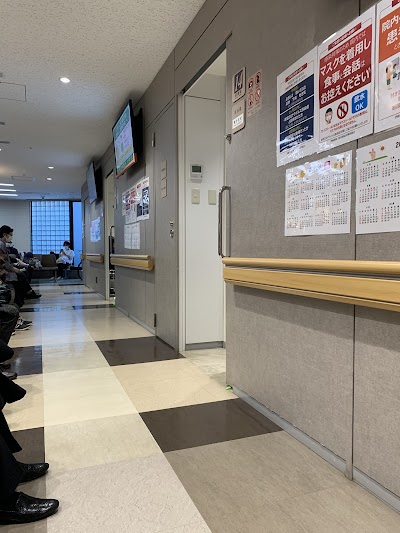

Travel and Stay
Round-trip flight
One-night stay
Attractions
Frequently asked questions
When evaluating facilities, consider their accreditation status, the experience of the medical team, and the technology available for the procedure. Look for hospitals that have a strong reputation in cardiac care and check for patient reviews and outcomes related to aortic valve procedures.
To ensure safety and quality, research the hospital's accreditation and the qualifications of the cardiologists performing the procedure. Additionally, inquire about the hospital's infection control practices and patient safety records to gauge their commitment to high standards of care.
Recovery time can vary, but many patients may spend a few days in the hospital followed by several weeks of at-home recovery. It's important to plan for follow-up appointments and consider staying near the treatment facility for at least a week or two post-procedure to ensure proper monitoring and care.
Ask about the provider's experience with aortic valve procedures, the types of valves they use, and their complication rates. Additionally, inquire about the hospital's accreditation, the availability of post-operative care, and how they handle emergencies or complications.
While costs can vary significantly based on the destination and facility, many patients find that treatment abroad may be more affordable than in the U.S. However, it's essential to consider all associated costs, including travel, accommodation, and follow-up care, when evaluating your options.
When planning a trip to Japan for medical care, it's important to research the healthcare facilities and understand the logistics of your stay. Many hospitals are well-equipped to handle international patients, and English-speaking staff are often available. Additionally, familiarize yourself with local customs and transportation options to ensure a smooth experience.
The cost of living in Japan can vary significantly depending on the city. Generally, urban areas like Tokyo may have higher accommodation and dining costs compared to rural regions. While some medical travelers find that certain expenses are lower than in the U.S., it's essential to budget for your specific needs and preferences.
U.S. citizens traveling to Japan for short stays, including medical travel, typically do not need a visa for visits up to 90 days. However, it's advisable to check the latest entry requirements and ensure your passport is valid for the duration of your stay. Always verify any updates before your trip.
While Japanese is the primary language, many healthcare facilities in Japan, especially those catering to international patients, have English-speaking staff. It's helpful to learn a few basic phrases in Japanese, but you can generally expect assistance in English at major hospitals and clinics.
Japan has an extensive and efficient public transportation system, including trains, subways, and buses, making it easy to navigate cities. For medical travelers, it's advisable to plan your routes in advance and consider purchasing a Japan Rail Pass for longer journeys. Taxis are also available, but they can be more expensive than public transport.
Data last updated July 10, 2026. Prices and savings are estimates, not guarantees.