

Implantable cardioverter defibrillator (ICD) Care in Malaysia
Implantable cardioverter defibrillator (ICD) in Malaysia typically costs $300 to $25,000 on CureValue-listed providers, about 70 percent less than typical US prices.

Why Americans travel for implantable cardioverter defibrillator (icd) care
An Implantable Cardioverter Defibrillator (ICD) is a small device placed under the skin, typically in the chest area, that monitors heart rhythms and delivers electrical shocks if it detects life-threatening arrhythmias, helping to prevent sudden cardiac arrest. It is often recommended for individuals with certain heart conditions, such as cardiomyopathy or a history of heart attacks, who are at risk for dangerous heart rhythms. The procedure to implant an ICD usually involves a minor surgery where the device is inserted and connected to the heart via leads. Some Americans may consider receiving an ICD abroad due to factors like shorter wait times, availability of specialized care, or potentially lower costs, but it is essential to carefully evaluate the experience of the healthcare provider, the quality and accreditation of the facility, and the transparency of costs. While receiving care abroad may offer some logistical advantages, patients should also consider recovery time, travel requirements, and the availability of follow-up care to ensure comprehensive management of their heart health.

Key stats: Implantable cardioverter defibrillator (ICD) in Malaysia

88
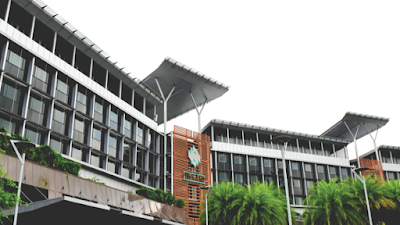
Top cardiology facilities in Malaysia
Compare all 46 providers →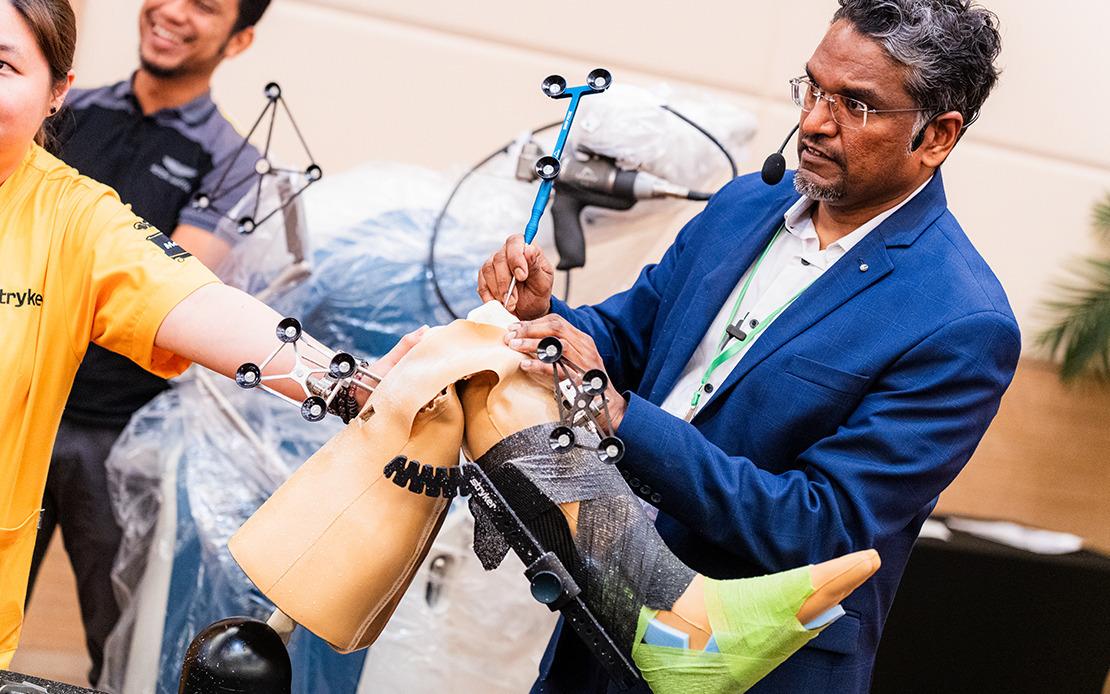
Travel and Stay
Round-trip flight
One-night stay
Attractions
Frequently asked questions
When evaluating facilities for an ICD, consider their accreditation status, the experience of the medical team, and the technology used. Research patient reviews and outcomes, and ensure the facility adheres to international safety standards.
To compare quality, look for information on the facility's accreditation, the qualifications of the cardiologists, and the hospital's track record with ICD procedures. Additionally, consider patient testimonials and any available data on complication rates.
Recovery time can vary, but most patients can expect to stay in the hospital for a day or two post-procedure, followed by a few weeks of limited activity. It's important to discuss specific recovery expectations with your healthcare provider before traveling.
Key questions include the provider's experience with ICD placements, the facility's accreditation, the type of technology used, and what post-operative care will be available. Also, inquire about follow-up appointments and how complications will be managed.
While costs can vary significantly by location and facility, many patients find that receiving an ICD abroad may be more affordable than in the U.S. However, it's essential to consider all associated costs, including travel, accommodation, and follow-up care.
Before traveling to Malaysia for medical care, it's important to plan your itinerary, including accommodations and transportation. Many medical travelers find it helpful to stay near their healthcare facility for convenience. Additionally, familiarize yourself with local customs and healthcare practices to enhance your experience.
The cost of living in Malaysia is generally lower than in the U.S., which can make accommodations, food, and transportation more affordable. However, prices can vary depending on the city and area you choose to stay in, so it's wise to research and budget accordingly.
U.S. citizens can enter Malaysia without a visa for stays of up to 90 days for tourism or business purposes. It's advisable to have a valid passport with at least six months of validity remaining and to check for any updates on entry requirements before your trip.
Yes, English is widely spoken in Malaysia, particularly in urban areas and healthcare settings. Many healthcare professionals are fluent in English, which can help facilitate communication and ensure that you feel comfortable during your medical journey.
Getting around Malaysia is generally easy, with options like taxis, ride-sharing services, and public transportation available in major cities. For recovery, consider staying in a location that offers easy access to your healthcare facility and amenities. Planning for follow-up appointments and local support can also enhance your recovery experience.
Data last updated July 10, 2026. Prices and savings are estimates, not guarantees.