

Peripheral artery disease treatment Care in Philippines
Peripheral artery disease treatment in Philippines typically costs $200 to $30,000 on CureValue-listed providers, about 75 percent less than typical US prices.

Why Americans travel for peripheral artery disease treatment care
Peripheral artery disease (PAD) treatment focuses on improving blood flow to the limbs, often recommended for individuals experiencing symptoms like leg pain during walking, numbness, or wounds that heal slowly. Treatment options may include lifestyle changes, medications, and procedures such as angioplasty, where a small balloon is used to open narrowed arteries, or bypass surgery to create a new path for blood flow. Some Americans consider seeking PAD treatment abroad due to factors like shorter wait times, potential cost savings, or access to specific procedures not readily available in the U.S. While there may be potential benefits to receiving care overseas, such as reduced costs or quicker access to certain treatments, it is crucial to carefully evaluate the experience of healthcare providers, the quality and accreditation of facilities, and the transparency of costs. Additionally, patients should consider recovery times, travel logistics, and the availability of follow-up care to ensure a comprehensive approach to their health needs.

Key stats: Peripheral artery disease treatment in Philippines

89
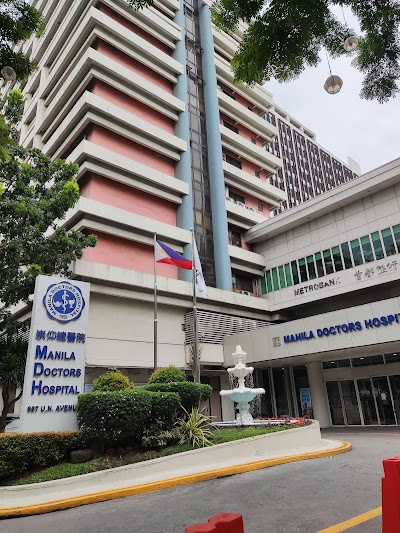
Top cardiology facilities in Philippines
Compare all 5 providers →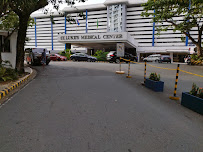

Travel and Stay
Round-trip flight
One-night stay
Attractions
Frequently asked questions
When evaluating facilities, consider their accreditation, the experience of the medical staff, and the technology used for treatment. Look for hospitals that have a strong reputation in vascular care and check for patient reviews and outcomes related to Peripheral Artery Disease Treatment.
To ensure safety and quality, research the facility's accreditation and certifications, and verify that the healthcare providers are experienced in treating Peripheral Artery Disease. Additionally, inquire about the hospital's infection control measures and patient safety protocols.
Ask about the provider's experience with Peripheral Artery Disease Treatment, the types of procedures they perform, and their success rates. Additionally, inquire about post-treatment care, follow-up appointments, and how they handle complications if they arise.
Recovery time can vary based on the specific treatment received, but many patients can expect to resume normal activities within a few weeks. Travel can impact recovery, so it's important to plan for adequate rest and follow-up care after returning home.
While many patients find that treatment abroad can be more affordable than in the U.S., costs can vary widely based on the destination and facility. It's important to obtain detailed quotes and understand what is included in the price, such as pre-operative assessments and post-operative care.
When traveling to the Philippines for medical care, it's important to plan ahead. Ensure you have a valid passport and check the latest visa requirements for U.S. citizens. Familiarize yourself with local customs and healthcare facilities, and consider arranging transportation in advance to make your journey smoother.
The cost of living in the Philippines is generally lower than in the U.S., which can make accommodations, food, and transportation more affordable. However, prices can vary significantly depending on the location and type of services you choose, so it's wise to budget accordingly and research options in advance.
Yes, English is widely spoken in the Philippines, particularly in urban areas and healthcare settings. Most medical professionals are fluent in English, which can help facilitate communication and ensure you understand your care options while you are there.
The Philippines has a growing healthcare infrastructure that caters to international patients, with many hospitals and clinics offering modern facilities and services. Many healthcare providers are experienced in treating foreign patients and often have staff who can assist with language and logistical needs.
When planning your trip, consider how you will get around the Philippines, as transportation options vary by region. It's advisable to arrange for airport transfers and local transportation in advance. Additionally, plan for your recovery by choosing accommodations that are comfortable and conveniently located near your healthcare facility.
Data last updated July 10, 2026. Prices and savings are estimates, not guarantees.