

Chronic pain management Care in Greece
Chronic pain management in Greece typically costs $600 to $8,000 on CureValue-listed providers, about 27 percent less than typical US prices.

Why Americans travel for chronic pain management care
Chronic pain management refers to a range of treatments aimed at alleviating persistent pain that lasts for months or longer, often resulting from conditions such as arthritis, fibromyalgia, or nerve damage. Treatment typically involves a combination of medications, physical therapy, psychological support, and sometimes interventional procedures like nerve blocks or injections. Patients may consider seeking chronic pain management abroad for various reasons, including shorter wait times, potential cost savings, or access to specialized care not readily available in the U.S. While some patients report positive experiences with care received overseas, it is important to carefully evaluate factors such as the provider's experience, the quality and accreditation of the facility, cost transparency, and the logistics of travel and follow-up care. Understanding these elements can help patients make informed decisions about their chronic pain management options, whether at home or abroad.

Key stats: Chronic pain management in Greece

85
Top chronic diseases facilities in Greece
Compare all 2 providers →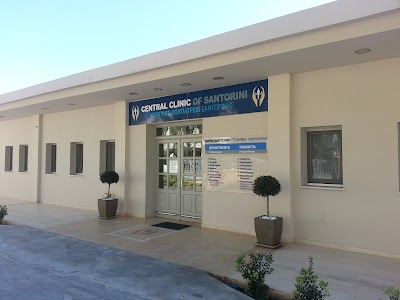

Travel and Stay
Round-trip flight
One-night stay
Attractions
Frequently asked questions
When evaluating options for chronic pain management abroad, consider the provider's experience, facility accreditation, and patient reviews. It's also important to assess the specific treatments offered and how they align with your needs. Researching the healthcare system in the destination can provide insights into the quality of care you can expect.
To ensure safety and quality, look for facilities that are accredited by recognized international organizations. Verify the credentials and experience of the healthcare providers, and seek out testimonials from previous patients. Additionally, inquire about the protocols in place for patient safety and post-treatment care.
Key questions to ask include the provider's experience with your specific condition, the types of treatments they offer, and their success rates. Additionally, inquire about the facility's accreditation, the recovery process, and what follow-up care will be available after your treatment.
Recovery time for chronic pain management treatments can vary widely depending on the specific procedure and individual patient factors. It's important to discuss expected recovery timelines with your provider, as this will influence your travel plans, including how long you may need to stay in the destination for follow-up care.
While many patients seek chronic pain management abroad for potential cost savings, prices can vary significantly based on the destination and specific treatment. It's essential to obtain detailed quotes and understand what is included in the cost, such as pre-operative assessments and post-operative care, to make an informed comparison.
When planning a trip to Greece for medical care, it's important to research the healthcare facilities and understand the logistics of your travel. Many hospitals in Greece are equipped to handle international patients, and English is commonly spoken in healthcare settings. Additionally, consider the proximity of your accommodation to the medical facility for ease of access during recovery.
Greece generally has a lower cost of living compared to the U.S., which can be beneficial for medical travelers. While prices for lodging, food, and transportation can vary by region, many visitors find that they can enjoy a comfortable stay at a reasonable price. It's advisable to budget for your specific needs and preferences while in Greece.
U.S. citizens can enter Greece for short stays of up to 90 days without a visa for tourism or medical purposes. However, it's important to ensure your passport is valid for at least three months beyond your planned departure date from the Schengen Area. Always check for the latest travel advisories and entry requirements before your trip.
Yes, English is widely spoken in Greece, particularly in tourist areas and healthcare facilities. Many medical professionals are fluent in English, which can help facilitate communication during your medical travel experience. This can make your visit more comfortable and ensure you understand your care options.
Getting around in Greece can be convenient, with options such as public transportation, taxis, and rental cars available. Depending on your recovery needs, you may want to choose accommodations close to your medical facility. It's also wise to plan for any mobility assistance you might require post-treatment, ensuring a smooth recovery process.
Data last updated July 10, 2026. Prices and savings are estimates, not guarantees.