

Dermabrasion Care in New Zealand
Dermabrasion in New Zealand typically costs $4,500 to $6,000 on CureValue-listed providers, about 19 percent less than typical US prices.

Why Americans travel for dermabrasion care
Dermabrasion is a skin resurfacing procedure that involves the careful removal of the outer layers of skin using a rotating instrument, which can help improve the appearance of various skin conditions such as acne scars, fine lines, and uneven skin texture. The treatment typically requires a consultation to assess the patient's skin type and concerns, followed by the procedure itself, which may be performed under local anesthesia. Patients may consider seeking dermabrasion abroad for reasons such as shorter wait times, potential cost savings, or access to specialized clinics. While some patients report positive experiences with dermabrasion in other countries, it is crucial to thoroughly research the provider's experience, the quality and accreditation of the facility, and the transparency of costs. Additionally, patients should consider recovery time, travel logistics, and the availability of follow-up care after the procedure, as these factors can significantly impact the overall experience and outcome.

Key stats: Dermabrasion in New Zealand

89
Top cosmetic surgery facilities in New Zealand
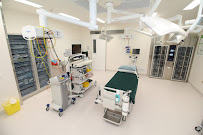
Compare all 2 providers →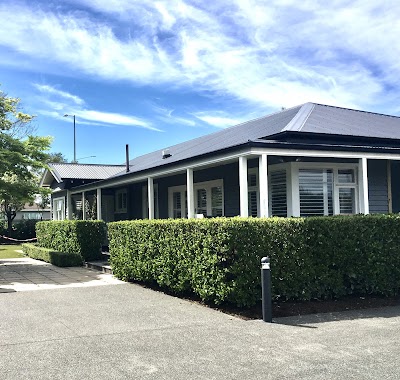
Travel and Stay
Round-trip flight
One-night stay
Attractions
Frequently asked questions
When considering dermabrasion abroad, it's important to research the safety standards of the facility and the qualifications of the provider. Look for accredited clinics and experienced practitioners who specialize in dermabrasion to ensure a safe procedure.
To compare international providers for dermabrasion, consider factors such as the provider's experience, patient reviews, facility accreditation, and the technology used. Avoid focusing solely on cost; instead, assess the overall value and quality of care offered.
Recovery time after dermabrasion can vary, but most patients experience redness and swelling for several days. It's advisable to plan for at least a week of recovery before traveling back home, as you may need follow-up appointments to monitor healing.
Before choosing a provider for dermabrasion, ask about their experience with the procedure, the types of equipment they use, and their facility's accreditation. Additionally, inquire about the expected recovery process and any potential risks associated with the treatment.
While the cost of dermabrasion abroad may be lower than in the U.S., it's essential to consider the overall value, including the provider's expertise and facility standards. Researching multiple options can help you understand the potential financial implications without making direct cost comparisons.
When planning your trip to New Zealand for medical care, it's important to consider the logistics of travel, including flight duration and local transportation options. Many cities have reliable public transport, and car rentals are also available. Additionally, familiarize yourself with the local healthcare system and ensure you have all necessary documentation for your medical journey.
The cost of living in New Zealand can vary significantly by region, but in general, you may find that accommodation, food, and transportation can be comparable to or slightly less than in the U.S. It's advisable to budget accordingly and research options for lodging and dining that fit your needs and preferences.
U.S. citizens traveling to New Zealand for medical purposes typically need to apply for a visitor visa, which allows for stays of up to 90 days. It's important to check the latest entry requirements and ensure your passport is valid for at least six months beyond your planned departure date.
Yes, English is the primary language spoken in New Zealand, and you will find that most healthcare professionals are fluent in English. This makes communication easier for American medical travelers, ensuring that you can discuss your needs and concerns without language barriers.
When planning for recovery in New Zealand, consider your accommodation's proximity to your treatment facility and any follow-up appointments. Many travelers choose to stay in comfortable lodgings that allow for rest and easy access to local amenities. It's also wise to have a plan for transportation and any necessary support during your recovery period.
Data last updated July 10, 2026. Prices and savings are estimates, not guarantees.