

Ear surgery (otoplasty) Care in New Zealand
Ear surgery (otoplasty) in New Zealand typically costs $4,500 to $6,000 on CureValue-listed providers, about 19 percent less than typical US prices.

Why Americans travel for ear surgery (otoplasty) care
Ear surgery, known as otoplasty, is a procedure designed to reshape or reposition the ears, often recommended for individuals with protruding ears, congenital deformities, or those seeking to improve the appearance of their ears after injury. The surgery typically involves making incisions behind the ears to access the cartilage, which can then be sculpted or repositioned to achieve a more balanced look. Patients may consider seeking otoplasty abroad for various reasons, including potentially shorter wait times, different availability of specialized techniques, or cost considerations, as prices can vary significantly between countries. While some patients report satisfaction with their results from international providers, it is crucial to thoroughly research the experience of the surgeon, the quality and accreditation of the facility, and the transparency of costs. Additionally, patients should consider recovery time, travel logistics, and the availability of follow-up care when making their decision, as these factors can significantly impact the overall experience and outcome of the surgery.

Key stats: Ear surgery (otoplasty) in New Zealand

89
Top cosmetic surgery facilities in New Zealand
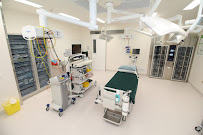
Compare all 2 providers →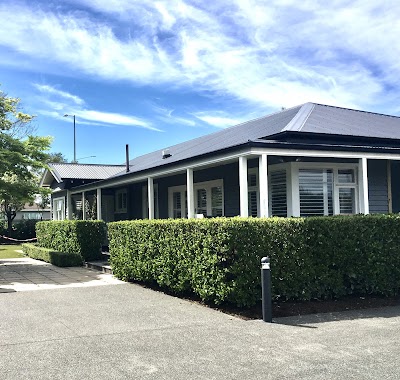
Travel and Stay
Round-trip flight
One-night stay
Attractions
Frequently asked questions
When evaluating facilities for Ear Surgery Otoplasty, consider the provider's experience, the accreditation of the facility, and the standards of care they uphold. Look for reviews from previous patients and inquire about the surgical techniques used to ensure they align with your expectations.
To ensure safety and quality, research the surgeon's qualifications, including their training and experience specifically in Ear Surgery Otoplasty. Verify that the facility is accredited by recognized international health organizations and check for any patient safety records or reviews.
Recovery from Ear Surgery Otoplasty typically takes about 1 to 2 weeks, during which you may need to avoid strenuous activities. It's advisable to plan for at least a week of post-operative stay in the destination for follow-up appointments and to ensure proper healing before traveling back home.
Before selecting a provider for Ear Surgery Otoplasty, ask about their experience with the procedure, the number of surgeries they perform annually, and their complication rates. Additionally, inquire about the post-operative care they offer and how they handle any potential complications.
While the cost of Ear Surgery Otoplasty abroad can often be lower than in the U.S., it's important to consider the overall value, including the quality of care and the experience of the provider. Be sure to factor in travel expenses and any potential follow-up care when evaluating costs.
When planning your trip to New Zealand for medical care, it's important to consider the logistics of travel, including flight duration and local transportation options. Many cities have reliable public transport, and car rentals are also available. Additionally, familiarize yourself with the local healthcare system and ensure you have all necessary documentation for your medical journey.
The cost of living in New Zealand can vary significantly by region, but in general, you may find that accommodation, food, and transportation can be comparable to or slightly less than in the U.S. It's advisable to budget accordingly and research options for lodging and dining that fit your needs and preferences.
U.S. citizens traveling to New Zealand for medical purposes typically need to apply for a visitor visa, which allows for stays of up to 90 days. It's important to check the latest entry requirements and ensure your passport is valid for at least six months beyond your planned departure date.
Yes, English is the primary language spoken in New Zealand, and you will find that most healthcare professionals are fluent in English. This makes communication easier for American medical travelers, ensuring that you can discuss your needs and concerns without language barriers.
When planning for recovery in New Zealand, consider your accommodation's proximity to your treatment facility and any follow-up appointments. Many travelers choose to stay in comfortable lodgings that allow for rest and easy access to local amenities. It's also wise to have a plan for transportation and any necessary support during your recovery period.
Data last updated July 10, 2026. Prices and savings are estimates, not guarantees.