

Malocclusion Care in Singapore
Malocclusion in Singapore typically costs $400 to $2,500 on CureValue-listed providers, about 32 percent less than typical US prices.

Why Americans travel for malocclusion care
Malocclusion refers to the misalignment of teeth and jaws, which can lead to issues such as difficulty chewing, speech problems, and increased wear on teeth. Treatment typically involves orthodontic procedures, such as braces or clear aligners, to correct the alignment over time. Common conditions that may prompt treatment include overbites, underbites, and crowded teeth. Some Americans consider seeking treatment abroad due to factors like lower costs, shorter wait times, or the availability of specific procedures. While potential benefits of receiving care overseas may include access to experienced providers and modern facilities, it is crucial to thoroughly research the provider's qualifications, the facility's accreditation, and the transparency of costs. Additionally, patients should consider recovery time, travel logistics, and the availability of follow-up care to ensure a safe and effective treatment experience.

Key stats: Malocclusion in Singapore

86
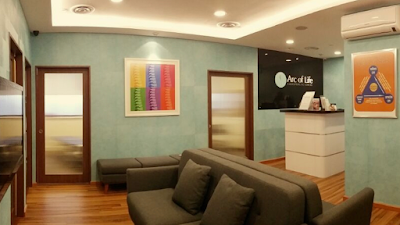
Top dentistry facilities in Singapore
Compare all 29 providers →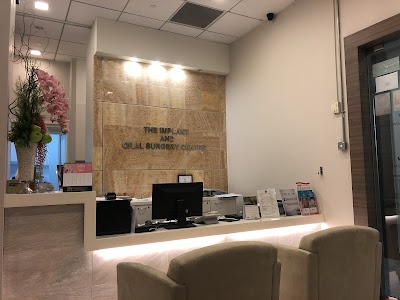
Travel and Stay
Round-trip flight
One-night stay
Attractions
Frequently asked questions
When evaluating international options for malocclusion treatment, consider the provider's experience, facility accreditation, and patient reviews. It's also important to assess the technology and techniques used, as well as the overall reputation of the healthcare system in the destination.
To ensure safety and quality for malocclusion treatment abroad, look for accredited facilities and board-certified providers. Research the clinic's infection control practices and patient safety records, and consider reaching out to past patients for their experiences.
Recovery time after malocclusion treatment can vary, but many patients can expect to return to normal activities within a few days to a week. It's important to plan for follow-up appointments, which may require additional travel, so consider scheduling your trip accordingly.
When considering providers for malocclusion treatment, ask about their experience with the specific procedure, the technology they use, and their success rates. Inquire about post-treatment care and support, as well as how they handle complications if they arise.
While many patients seek malocclusion treatment abroad for potential cost savings, prices can vary widely based on the destination and provider. It's essential to obtain detailed quotes and understand what is included in the price, such as consultations, follow-up care, and any necessary adjustments.
Before traveling to Singapore for medical care, it's important to plan your itinerary, including accommodations and transportation. Singapore has a well-developed healthcare infrastructure, and many hospitals cater to international patients. Familiarize yourself with local customs and healthcare practices to ensure a smooth experience.
The cost of living in Singapore can vary significantly depending on your lifestyle choices. While some expenses, such as dining out and transportation, may be comparable to or slightly lower than in the U.S., accommodation costs can be higher. It's advisable to budget accordingly and explore various options for lodging to find what suits you best.
U.S. citizens traveling to Singapore for short stays, including medical travel, typically do not need a visa for visits of up to 90 days. However, it's essential to have a valid passport and may be required to show proof of onward travel. Always check the latest entry requirements before your trip.
Yes, English is one of the official languages in Singapore and is widely spoken throughout the country, including in healthcare settings. Most medical professionals are fluent in English, making communication easier for American travelers seeking medical care.
Singapore has an efficient public transportation system, including buses and the MRT (Mass Rapid Transit) that makes getting around easy and convenient. Taxis and ride-sharing services are also readily available. Planning your transportation in advance can help ensure a smooth experience, especially when attending medical appointments.
Data last updated July 10, 2026. Prices and savings are estimates, not guarantees.