

Underbite Care in Switzerland
Underbite in Switzerland typically costs $500 to $2,500 on CureValue-listed providers, about 21 percent less than typical US prices.

Why Americans travel for underbite care
An underbite, a dental condition where the lower teeth protrude beyond the upper teeth, can lead to difficulties in chewing, speaking, and may cause jaw pain or discomfort. Treatment typically involves orthodontic interventions, such as braces or clear aligners, and in some cases, surgical options may be recommended to realign the jaw. Patients may consider seeking treatment abroad for various reasons, including potentially lower costs, shorter wait times, or access to specialized care that may not be readily available in the U.S. However, it is crucial to carefully evaluate the experience of the provider, the quality and accreditation of the facility, and the transparency of costs before making a decision. Additionally, patients should consider recovery time, travel logistics, and the availability of follow-up care, as these factors can significantly impact the overall experience and outcome of treatment.

Key stats: Underbite in Switzerland

86
Top dentistry facilities in Switzerland
Compare all 4 providers →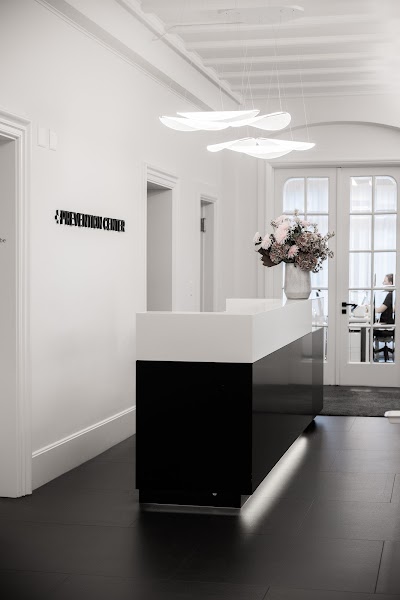

Travel and Stay
Round-trip flight
One-night stay
Attractions
Frequently asked questions
When seeking treatment for an underbite abroad, consider the provider's experience, the facility's accreditation, and the standards of care in the destination. Research patient reviews and ask about the specific techniques used for underbite correction to ensure they align with your needs.
To evaluate safety and quality, look for facilities that are accredited by recognized international organizations. Additionally, inquire about the qualifications of the dental professionals and the technology used in the treatment process to ensure they meet high standards.
Recovery time after underbite treatment can vary, but many patients may need to stay in the destination for a few days to a couple of weeks for follow-up appointments. It's important to plan your travel itinerary accordingly and ensure you have adequate time for recovery before returning home.
Before choosing a provider for underbite treatment, ask about their experience with similar cases, the specific techniques they use, and their success rates. Additionally, inquire about post-treatment care and how they handle complications if they arise.
While many patients seek treatment abroad for potential cost savings, prices can vary widely based on the destination and provider. It's essential to obtain detailed quotes and understand what is included in the price, such as consultations, follow-up visits, and any necessary adjustments.
Switzerland is known for its high-quality healthcare system and advanced medical facilities. Before traveling, it's important to plan your itinerary, including accommodations and transportation. Many cities, such as Zurich and Geneva, are well-equipped to cater to international patients, making your stay comfortable and convenient.
U.S. citizens can enter Switzerland for short stays of up to 90 days without a visa. However, it's advisable to have your travel documents in order, including a valid passport and any necessary medical documentation. Always check for the latest entry requirements before your trip.
English is widely spoken in Switzerland, especially in major cities and healthcare settings. Many healthcare professionals are fluent in English, which can help ease communication during your medical journey. Additionally, tourist areas are accustomed to English-speaking visitors, making it easier to navigate your stay.
Switzerland is known for its high cost of living, which can be higher than many areas in the U.S. This includes expenses for lodging, food, and transportation. It's important to budget accordingly and consider options like short-term rentals or local dining to manage costs during your stay.
Switzerland has an efficient public transportation system, including trains, trams, and buses, making it easy to get around. Many cities are also pedestrian-friendly. If you have specific recovery needs, consider arranging transportation in advance to ensure a smooth experience during your stay.
Data last updated July 10, 2026. Prices and savings are estimates, not guarantees.