

Snoring and obstructive sleep apnea surgery Care in Malaysia
Snoring and obstructive sleep apnea surgery in Malaysia typically costs $600 to $3,000 on CureValue-listed providers, about 56 percent less than typical US prices.

Why Americans travel for snoring and obstructive sleep apnea surgery care
Snoring and obstructive sleep apnea surgery refers to surgical procedures aimed at alleviating the symptoms of obstructive sleep apnea (OSA), a condition where breathing repeatedly stops and starts during sleep, often accompanied by loud snoring. This surgery may be recommended for individuals who have not found relief through other treatments, such as CPAP therapy or lifestyle changes, and who experience significant symptoms like excessive daytime sleepiness or difficulty concentrating. Common surgical options include uvulopalatopharyngoplasty (UPPP), which removes excess tissue from the throat, and maxillomandibular advancement (MMA), which repositions the jaw to widen the airway. Americans may consider seeking this surgery abroad for various reasons, including shorter wait times, potential cost savings, or access to specialized care not readily available in the U.S. While there may be potential benefits to receiving care overseas, such as the opportunity to consult with experienced providers, it is crucial to thoroughly evaluate factors like the surgeon's qualifications, the facility's accreditation, and the transparency of costs. Additionally, patients should consider recovery time, travel logistics, and the availability of follow-up care to ensure a safe and effective treatment experience.

Key stats: Snoring and obstructive sleep apnea surgery in Malaysia

89
Top ent (ear, nose, and throat) facilities in Malaysia
Compare all 21 providers →
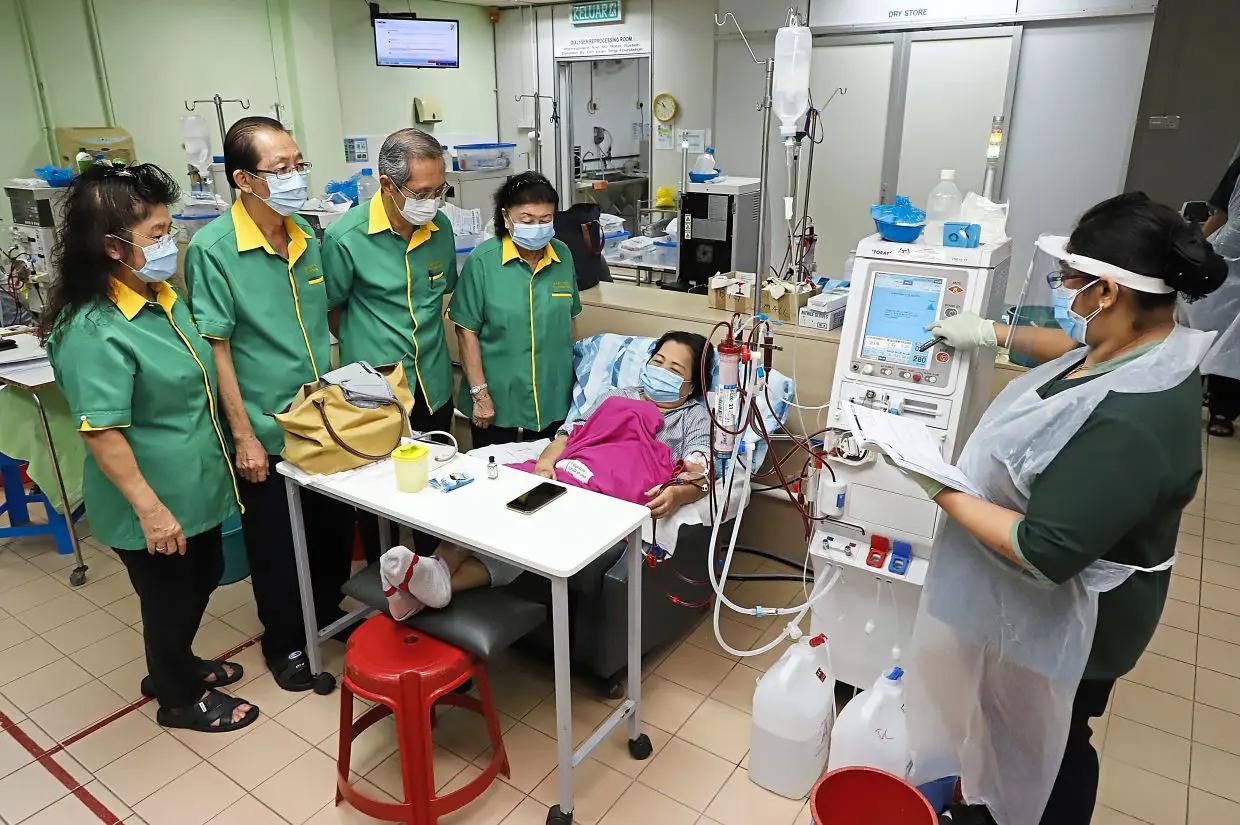
Sunway Medical Centre Velocity
94
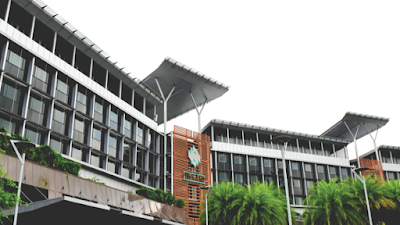
Prince Court Medical Centre
94
Travel and Stay
Round-trip flight
One-night stay
Attractions
Frequently asked questions
When evaluating facilities, consider their accreditation, the experience of the surgical team, and the technology used in the procedure. It's also important to read patient reviews and understand the facility's post-operative care protocols.
Look for facilities that are accredited by recognized international health organizations and inquire about the qualifications of the surgeons. Additionally, check if the facility has a good track record with similar procedures and offers comprehensive follow-up care.
Recovery time can vary, but many patients can expect to return to normal activities within a week. It's advisable to plan for at least a few days of rest at the destination before traveling back to ensure a smooth recovery.
Ask about the surgeon's experience with the specific procedure, the facility's accreditation, the types of anesthesia used, and the expected recovery process. Additionally, inquire about the support available for post-operative care and any potential complications.
While costs can vary significantly by location and facility, many patients find that surgery abroad can be more affordable than in the U.S. It's important to consider not just the price, but also the quality of care and any additional expenses such as travel and accommodation.
Before traveling to Malaysia for medical care, it's important to plan your itinerary, including accommodations and transportation. Many medical travelers find it helpful to stay near their healthcare facility for convenience. Additionally, familiarize yourself with local customs and healthcare practices to enhance your experience.
The cost of living in Malaysia is generally lower than in the U.S., which can make accommodations, food, and transportation more affordable. However, prices can vary depending on the city and area you choose to stay in, so it's wise to research and budget accordingly.
U.S. citizens can enter Malaysia without a visa for stays of up to 90 days for tourism or business purposes. It's advisable to have a valid passport with at least six months of validity remaining and to check for any updates on entry requirements before your trip.
Yes, English is widely spoken in Malaysia, particularly in urban areas and healthcare settings. Many healthcare professionals are fluent in English, which can help facilitate communication and ensure that you feel comfortable during your medical journey.
Getting around Malaysia is generally easy, with options like taxis, ride-sharing services, and public transportation available in major cities. For recovery, consider staying in a location that offers easy access to your healthcare facility and amenities. Planning for follow-up appointments and local support can also enhance your recovery experience.
Data last updated July 10, 2026. Prices and savings are estimates, not guarantees.