

Septoplasty (correcting nasal septum deviation) Care in Mexico
Septoplasty (correcting nasal septum deviation) in Mexico typically costs $1,000 to $3,500 on CureValue-listed providers, about 50 percent less than typical US prices.

Why Americans travel for septoplasty (correcting nasal septum deviation) care
Septoplasty is a surgical procedure aimed at correcting a deviated nasal septum, which is the cartilage and bone structure that divides the nasal cavity. This condition can lead to breathing difficulties, chronic sinusitis, or nasal congestion, prompting some individuals to consider surgery. The procedure typically involves repositioning or removing parts of the septum to improve airflow through the nasal passages. Patients may seek septoplasty abroad for various reasons, including shorter wait times, potential cost savings, or access to specialized care. While there may be benefits to receiving treatment in another country, such as potentially lower expenses, it is crucial to carefully evaluate the experience of the healthcare provider, the quality and accreditation of the facility, and the transparency of costs. Additionally, consider the logistics of travel, recovery time, and the availability of follow-up care, as these factors can significantly impact the overall experience and outcome of the procedure.

Key stats: Septoplasty (correcting nasal septum deviation) in Mexico

92
Top ent (ear, nose, and throat) facilities in Mexico
Compare all 2 providers →
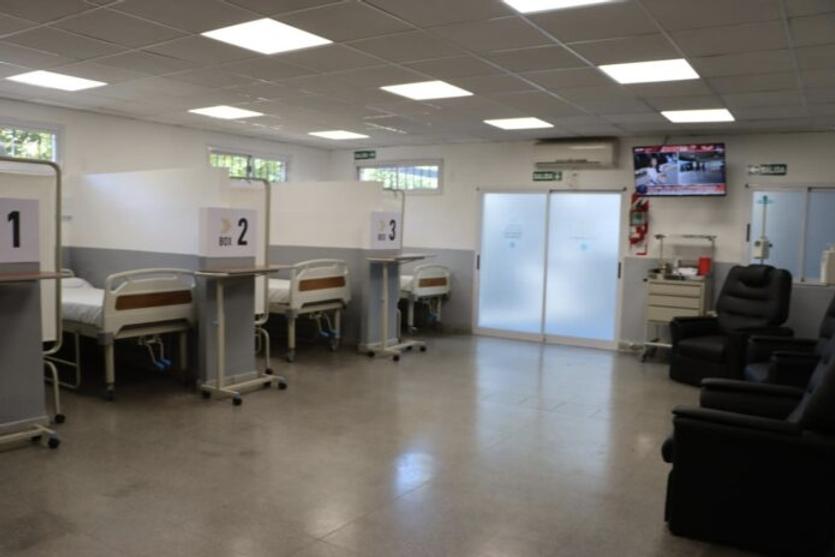
Hospital México Americano — Guadalajara, Jalisco
91
Travel and Stay
Round-trip flight
One-night stay
Attractions
Frequently asked questions
When evaluating facilities for septoplasty, consider their accreditation, the experience of the surgeons, and the quality of the hospital environment. Look for reviews from previous patients and ensure the facility adheres to international safety standards.
To compare costs effectively, request detailed quotes from multiple providers, including all associated fees such as pre-operative assessments, anesthesia, and post-operative care. Be cautious of prices that seem unusually low, as they may reflect lower quality care.
Recovery from septoplasty usually takes about one to two weeks, during which you may experience swelling and discomfort. Follow-up care is essential to monitor healing, and you should discuss the schedule for follow-up visits with your provider before traveling.
Ask about the surgeon's experience with septoplasty, their complication rates, and the specific techniques they use. Inquire about the facility's accreditation and what post-operative support is available, especially if complications arise.
Ensure the facility has proper accreditation and follows international safety protocols. Check if the surgical team is qualified and experienced, and confirm that the hospital has access to emergency care if needed during or after the procedure.
When traveling to Mexico for medical care, it's important to plan ahead. Ensure you have all necessary documents, including a valid passport. Familiarize yourself with the local area where you will be receiving care, and consider arranging transportation in advance to make your journey smoother.
The cost of living in Mexico is generally lower than in the U.S., which can make accommodations, food, and transportation more affordable. However, prices can vary significantly depending on the city and region, so it's wise to research specific areas to get a better understanding of potential expenses.
U.S. citizens do not need a visa for stays of 180 days or less in Mexico. However, you must present a valid passport upon entry. It's advisable to keep a copy of your passport and any important documents with you while traveling.
Many healthcare professionals in Mexico, especially in popular medical tourism areas, speak English. This can help facilitate communication during your visit. However, it's beneficial to learn a few basic Spanish phrases to enhance your experience and interactions.
When planning your trip, consider how you will get around, especially if you need to attend follow-up appointments. Many medical travelers opt for private transportation or arrange for a local driver. Additionally, ensure your recovery accommodations are comfortable and conveniently located near your treatment facility.
Data last updated July 10, 2026. Prices and savings are estimates, not guarantees.