

Tracheostomy (creating an opening in the neck for breathing) Care in Vietnam
Tracheostomy (creating an opening in the neck for breathing) in Vietnam typically costs $1,000 to $3,500 on CureValue-listed providers, about 58 percent less than typical US prices.

Why Americans travel for tracheostomy (creating an opening in the neck for breathing) care
A tracheostomy is a medical procedure that involves creating an opening in the neck to allow direct access to the windpipe for breathing, typically performed when a patient has difficulty breathing due to conditions such as severe respiratory distress, airway obstruction, or prolonged mechanical ventilation needs. The procedure usually involves making an incision in the neck and inserting a tube to facilitate airflow, and it may be temporary or permanent depending on the underlying condition. Americans considering a tracheostomy abroad may do so for various reasons, including shorter wait times, availability of specialized care, or potentially lower costs; however, it is crucial to evaluate the experience of the healthcare provider, the quality and accreditation of the facility, and the transparency of costs. While some patients may find benefits in receiving care abroad, such as access to advanced techniques or personalized attention, careful consideration of recovery time, travel logistics, and follow-up care is essential to ensure a safe and effective treatment experience.

Key stats: Tracheostomy (creating an opening in the neck for breathing) in Vietnam

88
Top ent (ear, nose, and throat) facilities in Vietnam
Compare all 5 providers →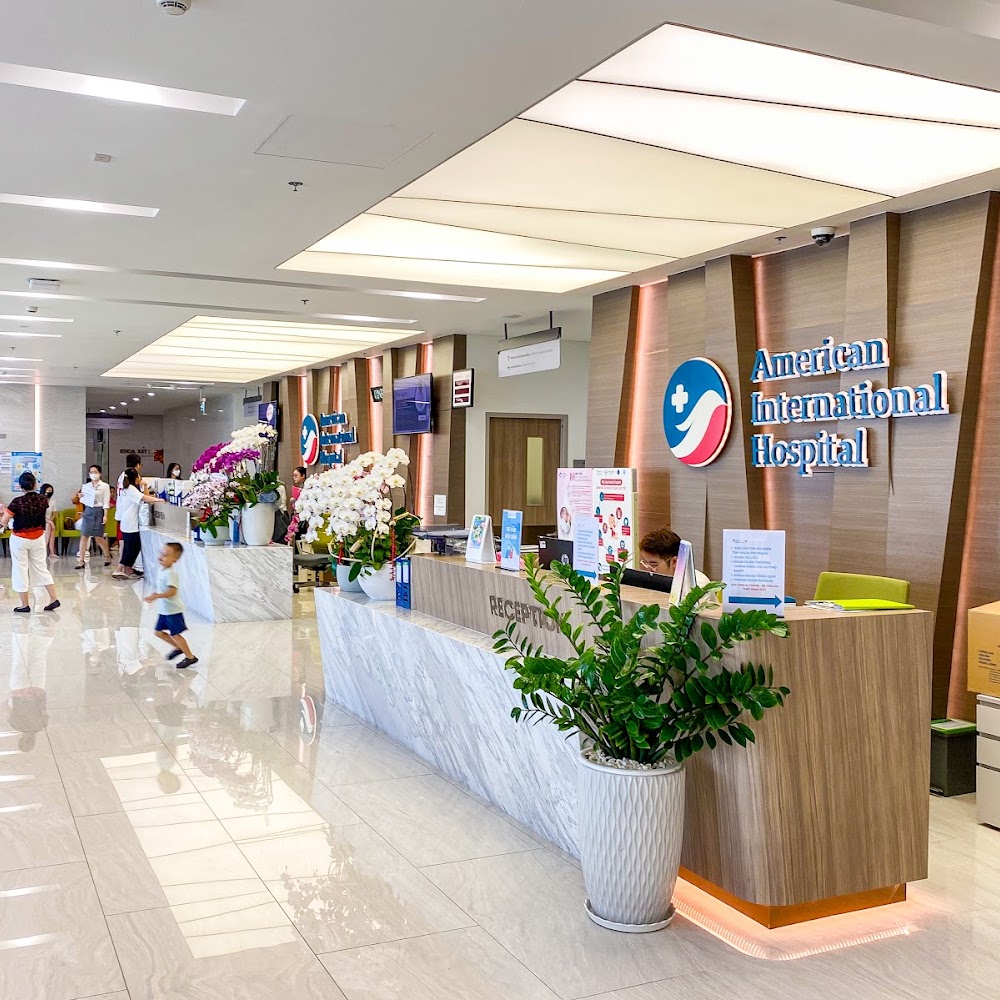
American International Hospital (AIH)
89
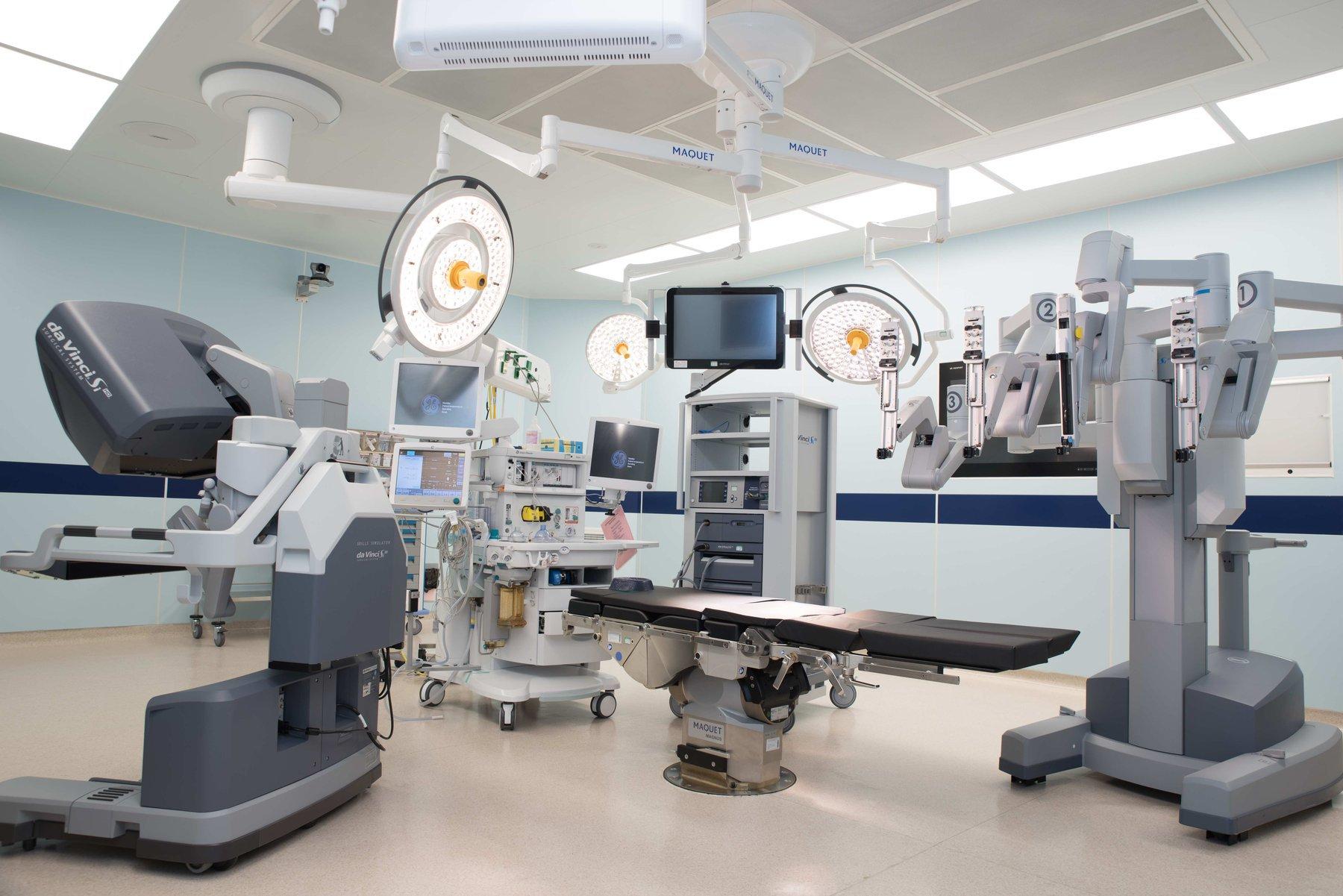
Vinmec International Hospital – Times City
89

Travel and Stay
Round-trip flight
One-night stay
Attractions
Frequently asked questions
When evaluating facilities, consider their accreditation, the experience of the medical staff, and the standards of care they provide. It's also important to research patient reviews and outcomes related to tracheostomy procedures to ensure you choose a reputable provider.
To compare quality of care, look for information on facility accreditation, the qualifications of the healthcare providers, and patient satisfaction ratings. Additionally, consider the availability of post-operative care and support services, as these can significantly impact recovery.
Recovery time can vary, but most patients can expect to stay in the hospital for a few days post-surgery, followed by a period of at-home recovery that may last several weeks. It's essential to follow your healthcare provider's instructions for care and follow-up appointments to ensure proper healing.
You should ask about the provider's experience with tracheostomy procedures, the facility's accreditation, the expected recovery process, and any potential risks involved. Additionally, inquire about post-operative care and how follow-up appointments will be managed after you return home.
While costs can vary significantly by location and facility, many patients find that undergoing a tracheostomy abroad may be more affordable than in the United States. However, it's crucial to consider not just the price but also the quality of care and the experience of the medical team when making your decision.
Before traveling to Vietnam for medical care, it's important to plan your itinerary, including accommodations and transportation. Familiarize yourself with local customs and healthcare practices. Many medical facilities cater to international patients, ensuring a comfortable experience. Additionally, consider bringing any necessary medical records and prescriptions.
Vietnam generally has a lower cost of living compared to the U.S., which can extend to lodging, food, and transportation. While prices can vary by city and region, many American travelers find that their expenses for daily living are significantly reduced. However, it's wise to budget according to your personal preferences and needs.
U.S. citizens traveling to Vietnam typically need a visa, which can be obtained online or upon arrival, depending on the length of stay. It's advisable to check the latest entry requirements and ensure your passport is valid for at least six months beyond your planned departure date. Planning ahead can help streamline your travel experience.
English is increasingly spoken in Vietnam, particularly in urban areas and tourist destinations. Many healthcare professionals in major hospitals and clinics are proficient in English, making communication easier for international patients. However, it can be helpful to learn a few basic Vietnamese phrases to enhance your experience.
Getting around Vietnam can be convenient with options like taxis, ride-sharing apps, and public transportation. For recovery, consider the proximity of your accommodation to your medical facility, as well as access to amenities like pharmacies and grocery stores. Planning your recovery space to be comfortable and accessible will help ensure a smooth healing process.
Data last updated July 10, 2026. Prices and savings are estimates, not guarantees.