

Rectal surgery Care in Israel
Rectal surgery in Israel typically costs $6,000 to $10,000 on CureValue-listed providers, about 45 percent less than typical US prices.

Why Americans travel for rectal surgery care
Rectal surgery refers to surgical procedures aimed at treating various conditions affecting the rectum, such as hemorrhoids, anal fissures, rectal prolapse, and certain types of cancer. These surgeries may involve techniques like hemorrhoidectomy, sphincteroplasty, or resection of the rectum, depending on the specific issue being addressed. Patients may consider seeking rectal surgery abroad for reasons such as shorter wait times, potential cost savings, or access to specialized care that may not be readily available in the U.S. However, it is crucial to carefully evaluate factors such as the surgeon's experience, the quality and accreditation of the medical facility, and the transparency of costs. Additionally, patients should consider the logistics of travel, recovery time, and the availability of follow-up care after returning home. While some may find benefits in seeking treatment abroad, it is essential to approach this decision with thorough research and consideration of all aspects involved.

Key stats: Rectal surgery in Israel

85
Top general surgery facilities in Israel
Compare all 3 providers →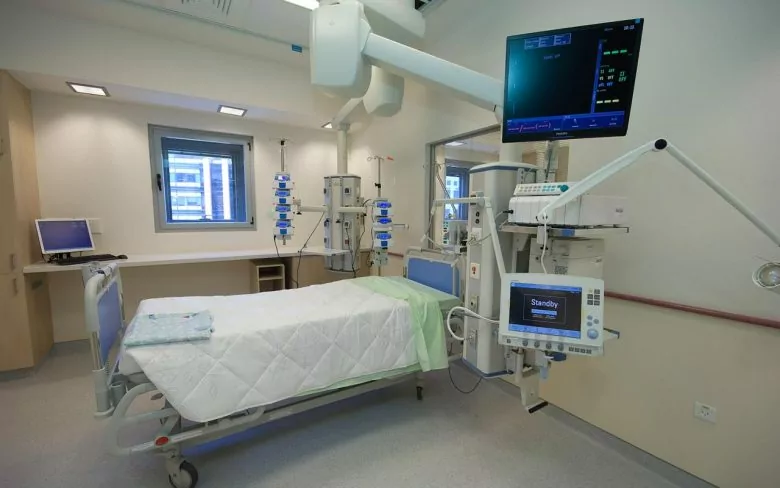

Travel and Stay
Round-trip flight
One-night stay
Attractions
Frequently asked questions
When evaluating facilities for rectal surgery, consider the accreditation of the hospital, the experience and qualifications of the surgical team, and the availability of advanced medical technology. It's also important to look for patient reviews and outcomes related to the specific procedure you need.
To ensure safety for your rectal surgery abroad, research the hospital's infection control practices, the surgeon's experience with the procedure, and the facility's overall patient safety record. Additionally, consider whether the facility has protocols for emergency situations and post-operative care.
Recovery time after rectal surgery can vary, but many patients may need to stay in the destination for at least a week for initial recovery and follow-up appointments. It's important to plan for potential complications and ensure you have adequate support during your recovery period before traveling back home.
Before undergoing rectal surgery, ask your provider about their experience with the specific procedure, the expected recovery process, and how they handle complications. Additionally, inquire about the facility's accreditation, the availability of follow-up care, and any potential language barriers that may affect communication.
While the cost of rectal surgery abroad may be lower than in the U.S., it's essential to consider all associated expenses, including travel, accommodation, and follow-up care. Researching multiple providers and understanding what is included in the quoted price can help you make a more informed decision.
When planning your trip to Israel for medical care, it's important to research the healthcare facilities and understand the logistics of your stay. Many hospitals are equipped to handle international patients, and English is widely spoken in both healthcare and tourist settings. Additionally, consider arranging accommodations close to your treatment facility for convenience during recovery.
U.S. citizens traveling to Israel for medical purposes typically do not need a visa for stays of up to 90 days. However, it's advisable to have a valid passport and any necessary documentation related to your medical care. Always check the latest entry requirements before your trip to ensure a smooth arrival.
The cost of living in Israel can vary significantly depending on the city and region. Generally, major cities like Tel Aviv and Jerusalem may have higher costs for lodging and dining compared to smaller towns. It's wise to budget accordingly and explore various accommodation options to find what best suits your needs during your stay.
Israel has a well-developed public transportation system, including buses and trains, which can be convenient for getting around. Taxis and rideshare services are also widely available. If you prefer more flexibility, consider renting a car, but be aware of local driving regulations and parking options near your accommodation and treatment facility.
Yes, English is commonly spoken in Israel, especially in healthcare settings. Many medical professionals are fluent in English, which can help facilitate communication during your treatment. This language accessibility can make your experience more comfortable and ensure that you understand your care plan.
Data last updated July 10, 2026. Prices and savings are estimates, not guarantees.