

Bowel resection Care in South Korea
Bowel resection in South Korea typically costs $5,000 to $8,000 on CureValue-listed providers, about 62 percent less than typical US prices.

Key stats: Bowel resection in South Korea

87
Top general surgery facilities in South Korea
Compare all 5 providers →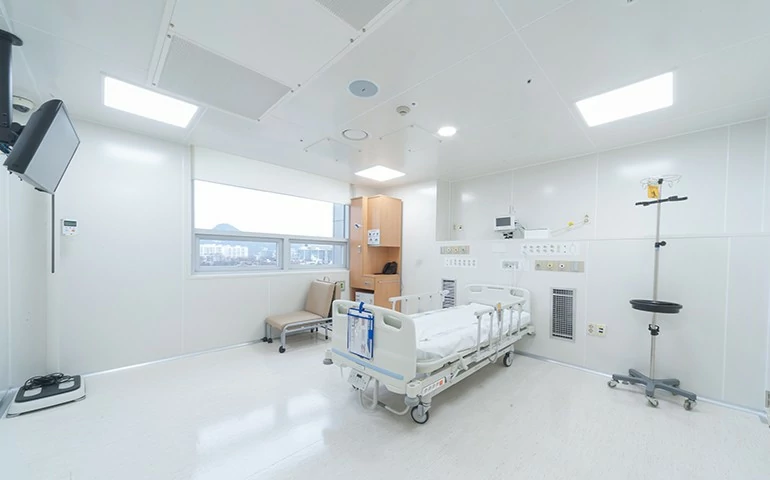

Travel and Stay
Round-trip flight
One-night stay
Attractions
Frequently asked questions
When planning your trip to South Korea for medical care, it's important to research the healthcare facilities and understand the logistics of your stay. Many hospitals cater to international patients, offering services in English and assistance with travel arrangements. Additionally, familiarize yourself with local customs and transportation options to ensure a smooth experience.
The cost of living in South Korea can vary significantly depending on the city and lifestyle. Generally, accommodations, food, and transportation can be more affordable than in many U.S. cities. However, it's wise to budget according to your personal preferences and needs, as prices can fluctuate.
U.S. citizens traveling to South Korea for short stays, including medical travel, typically do not need a visa for visits of up to 90 days. However, it's essential to have a valid passport and check for any updates on entry requirements before your trip. Always verify the latest information from official sources.
English is commonly spoken in major cities and tourist areas in South Korea, particularly in healthcare settings that cater to international patients. Many medical professionals are proficient in English, which can help ease communication during your visit. However, learning a few basic Korean phrases can enhance your experience.
South Korea has an efficient public transportation system, including subways, buses, and taxis, making it easy to navigate cities. For medical travelers, many hospitals offer shuttle services or assistance with transportation arrangements. It's advisable to download local transportation apps to help plan your journeys.
Data last updated July 10, 2026. Prices and savings are estimates, not guarantees.