

Endometrial ablation Care in Austria
Endometrial ablation in Austria typically costs about $300 on CureValue-listed providers, about 40 percent less than typical US prices.

Why Americans travel for endometrial ablation care
Endometrial ablation is a medical procedure that involves removing or destroying the lining of the uterus (endometrium) to help manage heavy menstrual bleeding, a condition known as menorrhagia. This treatment is typically recommended for women who have not found relief through other methods, such as medication, and who do not wish to become pregnant in the future. Various techniques can be used for endometrial ablation, including thermal ablation, radiofrequency, and hysteroscopic methods, each with its own approach to targeting the uterine lining. Some Americans may consider seeking this procedure abroad due to factors like shorter wait times, availability of specific techniques, or potentially lower costs. While there may be potential benefits to receiving care overseas, such as access to specialized providers, it is crucial to carefully evaluate the experience of the healthcare provider, the quality and accreditation of the facility, and the transparency of costs. Additionally, patients should consider recovery time, travel logistics, and the availability of follow-up care when making their decision.

Key stats: Endometrial ablation in Austria

90
Top gynecology facilities in Austria
Compare all 2 providers →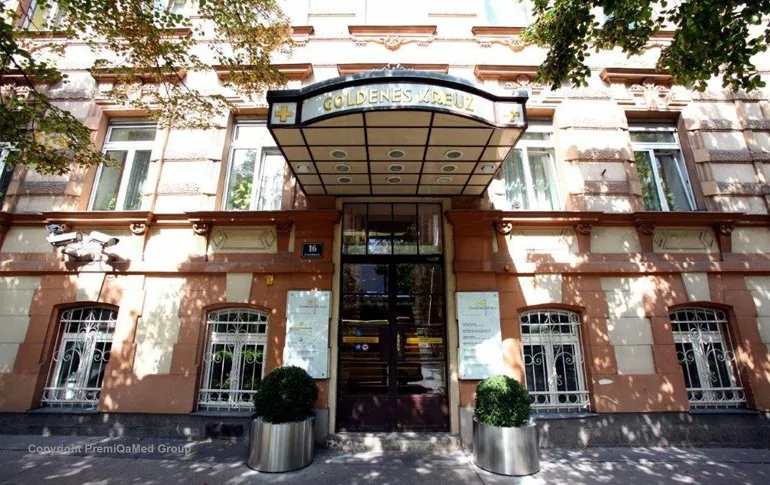
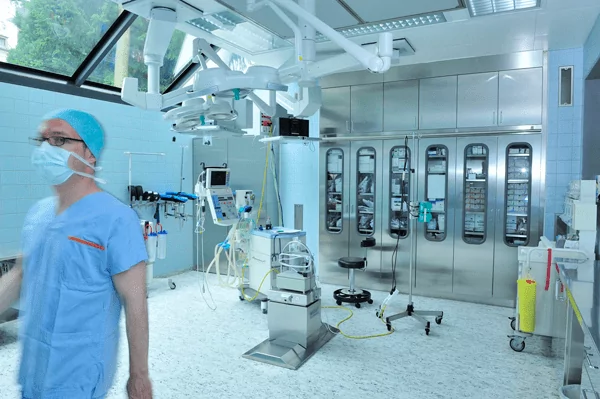
Top gynecology doctors in Austria


Travel and Stay
Round-trip flight
One-night stay
Attractions
Frequently asked questions
When evaluating facilities for Endometrial Ablation, consider the accreditation of the hospital, the experience and qualifications of the medical team, and the technology used for the procedure. It's also important to look for patient reviews and success stories to gauge the quality of care provided.
The recovery process for Endometrial Ablation is generally similar regardless of location, but it’s important to confirm post-operative care protocols with your provider. Ensure you understand the expected recovery timeline, any follow-up appointments needed, and how to manage potential complications while traveling.
Before undergoing Endometrial Ablation, ask about the provider's experience with the procedure, the specific techniques they use, and their complication rates. Additionally, inquire about the facility's accreditation, the availability of post-operative care, and how they handle emergencies.
Safety and quality considerations for Endometrial Ablation include ensuring the facility is accredited by recognized health organizations and that the medical staff is qualified and experienced. Researching patient outcomes and understanding the local healthcare regulations can also provide insight into the quality of care you can expect.
To compare costs of Endometrial Ablation abroad to those in the U.S., gather detailed quotes that include all associated fees, such as facility charges, anesthesia, and follow-up care. While costs may vary significantly, be cautious of making direct comparisons without considering the quality of care and the provider's reputation.
When planning your trip to Austria for medical care, it's important to research the healthcare facilities and understand the logistics of your stay. Many hospitals are well-equipped to handle international patients, and English is commonly spoken in medical settings. Additionally, consider the proximity of your accommodation to the healthcare facility for ease of access during your recovery.
U.S. citizens can enter Austria for short stays of up to 90 days without a visa for tourism or business purposes. However, if you plan to stay longer or require specific medical treatments, it's advisable to check the latest entry requirements and consider contacting the Austrian embassy for guidance on any necessary documentation.
The cost of living in Austria can vary by city, but generally, it is comparable to many U.S. cities. While some expenses like dining and public transportation may be lower, accommodation costs can be similar to those in major U.S. urban areas. It's wise to budget accordingly and explore options for lodging that fit your needs during your medical stay.
Yes, English is widely spoken in Austria, particularly in urban areas and among healthcare professionals. Many doctors and medical staff are proficient in English, making communication easier for American patients. However, it's always helpful to learn a few basic German phrases to enhance your experience while traveling.
Austria has an efficient public transportation system, including trains, trams, and buses, making it easy to navigate cities and travel between locations. For medical travelers, consider the proximity of your accommodation to public transport options, as well as the availability of taxis or rideshare services for convenience during your recovery.
Data last updated July 10, 2026. Prices and savings are estimates, not guarantees.