

Laser photocoagulation (for retinal repair) Care in Thailand
Laser photocoagulation (for retinal repair) in Thailand typically costs $800 to $2,500 on CureValue-listed providers, about 48 percent less than typical US prices.

Why Americans travel for laser photocoagulation (for retinal repair) care
Laser photocoagulation is a medical procedure used to treat various retinal conditions by using focused laser light to create small burns on the retina, which can help seal leaks, reduce swelling, or create scar tissue to stabilize the retina. It is commonly recommended for conditions such as diabetic retinopathy, retinal tears, and certain types of macular degeneration, often when patients experience symptoms like vision changes or floaters. The procedure typically involves a brief outpatient visit where the eye is numbed, and the laser is applied to the affected areas of the retina. Some Americans may consider seeking this treatment abroad due to factors like shorter wait times, availability of specialized care, or potentially lower costs, though these aspects can vary widely by location. While there may be potential benefits to receiving care in another country, such as access to advanced technology or techniques, it is crucial to carefully evaluate the experience of the provider, the quality and accreditation of the facility, and the transparency of costs. Additionally, patients should consider recovery time, travel logistics, and the availability of follow-up care to ensure a comprehensive approach to their treatment.

Key stats: Laser photocoagulation (for retinal repair) in Thailand

84
Top laser surgery facilities in Thailand
Compare all 1 provider →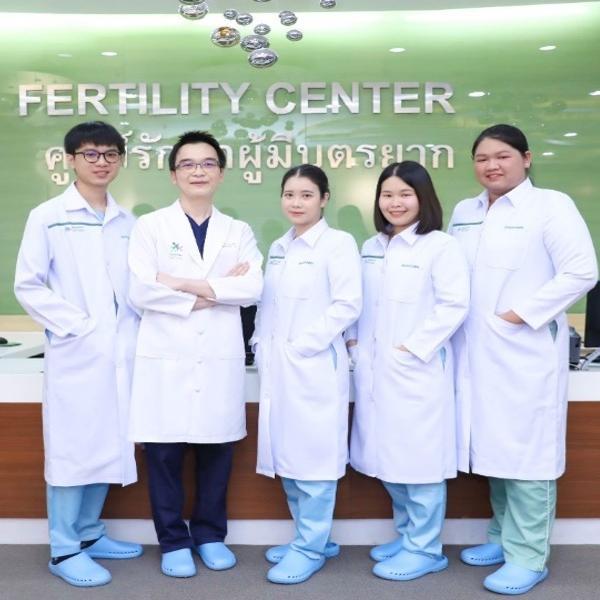
Travel and Stay
Round-trip flight
One-night stay
Attractions
Frequently asked questions
When seeking a provider for Laser Photocoagulation For Retinal Repair, consider their experience with the procedure, the accreditation of the facility, and the technology used. It's also important to review patient testimonials and the provider's success rates with similar cases.
To ensure safety and quality, look for facilities that are accredited by recognized international health organizations. Additionally, check if the medical staff are board-certified and have specialized training in retinal procedures, as well as the availability of modern equipment.
Recovery time after Laser Photocoagulation For Retinal Repair can vary, but many patients can resume normal activities within a few days. However, it's advisable to plan for follow-up appointments and allow time for healing, which may affect your travel schedule.
Before proceeding, ask about the provider's experience with Laser Photocoagulation, the technology they use, the expected recovery process, and how they handle complications. Inquire about the costs involved and whether they provide post-operative care and follow-up support.
While costs for Laser Photocoagulation For Retinal Repair abroad may be lower than in the United States, it's important to consider all associated expenses, including travel, accommodation, and follow-up care. Always request a detailed breakdown of costs from the provider to make an informed comparison.
When planning your trip to Thailand for medical care, it's important to research the healthcare facilities and understand the logistics of your stay. Many hospitals cater to international patients and offer English-speaking staff. Additionally, consider the climate, local customs, and transportation options to ensure a smooth experience.
Thailand generally has a lower cost of living compared to the U.S., which can make accommodations, food, and transportation more affordable. However, prices can vary significantly depending on the location and type of services you choose, so it's wise to budget accordingly and research options in advance.
U.S. citizens traveling to Thailand for medical purposes typically need a tourist visa, which allows for stays of up to 30 days without prior arrangements. It's advisable to check the latest entry requirements and consider applying for an extension if your stay will be longer. Always ensure your passport is valid for at least six months beyond your planned departure date.
Yes, English is commonly spoken in many healthcare facilities in Thailand, especially those that cater to international patients. Most doctors and medical staff in major hospitals are proficient in English, which helps facilitate communication and ensures a better experience for American travelers seeking care.
Thailand offers a variety of transportation options, including taxis, tuk-tuks, and public transit systems like the BTS Skytrain in Bangkok. For longer distances, domestic flights and trains are also available. It's advisable to plan your transportation in advance, especially for hospital visits and recovery logistics, to ensure a comfortable experience.
Data last updated July 10, 2026. Prices and savings are estimates, not guarantees.