

CoolSculpting (cryolipolysis) Care in Hungary
CoolSculpting (cryolipolysis) in Hungary typically costs about $300 on CureValue-listed providers, about 40 percent less than typical US prices.

Why Americans travel for coolsculpting (cryolipolysis) care
CoolSculpting, also known as cryolipolysis, is a non-invasive procedure designed to reduce localized fat deposits by freezing fat cells, which are then naturally eliminated by the body over time. It is often recommended for individuals looking to target stubborn areas of fat that do not respond to diet and exercise, such as the abdomen, thighs, and flanks. The treatment typically involves applying a specialized device to the targeted area, where it cools the fat cells without harming the surrounding skin or tissue. Americans may consider seeking CoolSculpting abroad for various reasons, including potentially shorter wait times, different availability of services, or cost considerations. While some patients report satisfaction with their results, it is important to approach care abroad with caution, ensuring that the provider has adequate experience, the facility is of high quality, and that it is properly accredited. Additionally, patients should consider factors such as cost transparency, recovery time, travel logistics, and the availability of follow-up care when making their decision.

Key stats: CoolSculpting (cryolipolysis) in Hungary

92
Top medical spa treatment facilities in Hungary
Compare all 1 provider →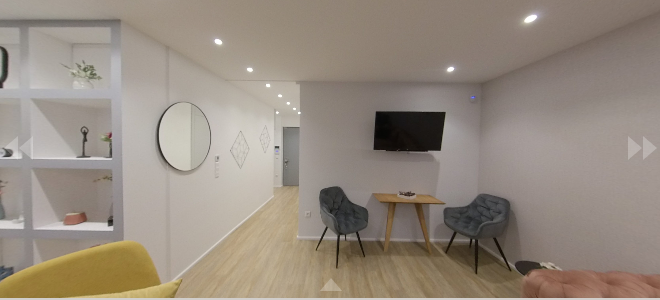
Travel and Stay
Round-trip flight
One-night stay
Attractions
Frequently asked questions
When searching for a provider, consider their experience with Coolsculpting Cryolipolysis, the qualifications of their staff, and the accreditation of their facility. It's also important to read reviews from previous patients and inquire about the technology they use to ensure it meets safety standards.
To ensure safety and quality, verify that the clinic is accredited by recognized international health organizations. Additionally, check if the providers are certified in Coolsculpting Cryolipolysis and ask about their experience with the procedure.
Recovery from Coolsculpting Cryolipolysis is generally quick, with most patients returning to normal activities within a few days. However, it's wise to plan for at least a week of travel time to allow for any potential side effects and follow-up consultations.
Ask about their experience specifically with Coolsculpting Cryolipolysis, the technology they use, and their post-treatment care protocols. Additionally, inquire about the expected results, any potential risks, and how they handle complications if they arise.
While costs for Coolsculpting Cryolipolysis abroad may be lower than in the U.S., prices can vary widely based on the provider and location. It's important to consider not just the price, but also the quality of care and the provider's reputation when evaluating your options.
When planning your trip to Hungary for medical care, it's important to research your healthcare options and understand the logistics of your stay. Many Americans find Hungary appealing due to its well-established healthcare infrastructure and the availability of English-speaking medical professionals. Additionally, consider your accommodation and transportation needs to ensure a smooth recovery process.
U.S. citizens can enter Hungary for short stays of up to 90 days without a visa for tourism or medical purposes. However, it's advisable to have a valid passport and to check for any updates on entry requirements before your trip. Always ensure your travel documents are in order to avoid any complications.
English is widely spoken in Hungary, particularly in urban areas and among healthcare professionals. Many hospitals and clinics catering to international patients have staff who are fluent in English, making communication easier for American travelers. It's still a good idea to learn a few basic Hungarian phrases to enhance your experience.
Hungary generally has a lower cost of living compared to the United States, which can be beneficial for medical travelers. While prices for lodging, food, and transportation can vary, many Americans find that their expenses are more manageable in Hungary. However, it's important to budget according to your specific needs and preferences.
Getting around Hungary is relatively easy, with a well-developed public transportation system that includes buses, trams, and metro services, especially in cities like Budapest. Taxis and rideshare services are also available. Planning your transportation in advance can help ensure you have a smooth experience while attending appointments and recovering.
Data last updated July 10, 2026. Prices and savings are estimates, not guarantees.