

Sclerotherapy (for spider veins) Care in Poland
Sclerotherapy (for spider veins) in Poland typically costs $250 to $300 on CureValue-listed providers, about 43 percent less than typical US prices.

Why Americans travel for sclerotherapy (for spider veins) care
Sclerotherapy is a medical procedure used to treat spider veins, which are small, dilated blood vessels that often appear on the legs and face, causing cosmetic concerns for many individuals. During the treatment, a healthcare provider injects a solution directly into the affected veins, causing them to collapse and fade from view over time. This procedure is typically recommended for patients experiencing discomfort, pain, or aesthetic issues related to spider veins. While sclerotherapy is widely available in the U.S., some Americans may consider seeking this treatment abroad due to factors such as potentially lower costs, shorter wait times, or greater availability of specialized clinics. However, it is crucial to carefully evaluate the experience of the provider, the quality and accreditation of the facility, and the transparency of costs before proceeding. Additionally, patients should consider the logistics of travel, recovery time, and the availability of follow-up care, as these factors can significantly impact the overall experience and outcomes of the treatment.

Key stats: Sclerotherapy (for spider veins) in Poland

90
Top medical spa treatment facilities in Poland
Compare all 2 providers →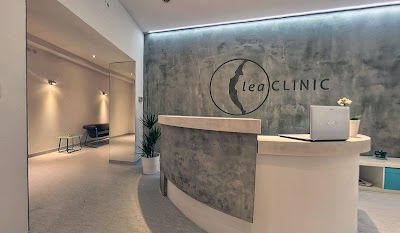
Travel and Stay
Round-trip flight
One-night stay
Attractions
Frequently asked questions
When evaluating providers for Sclerotherapy For Spider Veins, consider their experience, the qualifications of the medical staff, and the accreditation of the facility. Look for reviews from previous patients and inquire about the specific techniques and products used during the procedure.
To ensure safety and quality, research the facility's accreditation and the provider's credentials. It's also important to ask about the protocols in place for patient care and safety, including infection control measures and emergency procedures.
Recovery from Sclerotherapy For Spider Veins is generally quick, with many patients returning to normal activities within a few days. However, it's advisable to plan for a follow-up appointment and allow for some downtime after the procedure, which may influence your travel schedule.
Before selecting a provider, ask about their experience with Sclerotherapy For Spider Veins, the types of solutions they use, and their approach to managing potential side effects. Additionally, inquire about the facility's accreditation and what post-treatment care is available.
While many patients seek Sclerotherapy For Spider Veins abroad for potential cost savings, prices can vary widely based on the provider and location. It's important to obtain detailed quotes and understand what is included in the cost, such as consultations and follow-up care, to make an informed comparison.
When planning your trip to Poland for medical care, it's important to research the healthcare facilities and understand the logistics of your stay. Many cities, such as Warsaw and Kraków, are well-equipped to accommodate international patients, offering a range of services to assist with your recovery. Additionally, consider arranging transportation and accommodations in advance to ensure a smooth experience.
Poland generally has a lower cost of living compared to the United States, which can be beneficial for medical travelers. While prices for lodging, food, and transportation can vary by city, many Americans find that their expenses in Poland are more manageable. It's advisable to budget accordingly and explore local options for accommodations and dining to maximize your experience.
U.S. citizens can enter Poland for short stays of up to 90 days without a visa for tourism or business purposes. However, it's important to ensure your passport is valid for at least six months beyond your planned departure date. Always check for the latest travel advisories and entry requirements before your trip to ensure a smooth entry.
English is commonly spoken in major cities and tourist areas in Poland, particularly among healthcare professionals. Many hospitals and clinics catering to international patients have staff who are fluent in English, making communication easier during your medical journey. However, it's always helpful to learn a few basic Polish phrases to enhance your experience.
Poland has a well-developed public transportation system, including buses, trams, and trains, making it easy to navigate cities like Warsaw and Kraków. For added convenience, consider using rideshare services or taxis, especially if you have mobility concerns post-treatment. Planning your transportation in advance can help ensure a stress-free experience during your recovery.
Data last updated July 10, 2026. Prices and savings are estimates, not guarantees.