

PRP (Platelet-Rich Plasma) therapy Care in Spain
PRP (Platelet-Rich Plasma) therapy in Spain typically costs $300 to $450 on CureValue-listed providers, about 31 percent less than typical US prices.

Why Americans travel for prp (platelet-rich plasma) therapy care
Platelet-Rich Plasma (PRP) therapy is a medical treatment that involves drawing a small amount of a patient's blood, processing it to concentrate the platelets, and then injecting this enriched plasma into specific areas of the body to promote healing. It is commonly recommended for conditions such as osteoarthritis, tendon injuries, and certain types of hair loss, among others. The procedure typically includes blood collection, centrifugation to separate the platelets, and injection into the affected area, often guided by ultrasound for precision. Americans may consider seeking PRP therapy abroad due to factors like availability, potential cost savings, or shorter wait times, but it is important to approach this option with caution. While some patients report positive experiences, there are no guarantees regarding outcomes, and key decision factors include the provider's experience, the quality and accreditation of the facility, cost transparency, recovery time, travel logistics, and the availability of follow-up care. Understanding these elements can help patients make informed choices about whether to pursue PRP therapy outside the United States.

Key stats: PRP (Platelet-Rich Plasma) therapy in Spain

90
Top medical spa treatment facilities in Spain
Compare all 2 providers →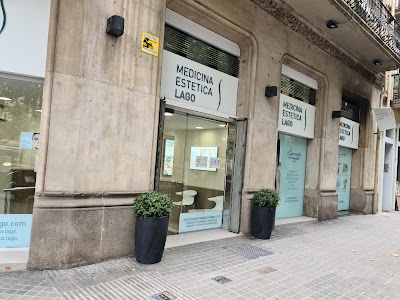
Travel and Stay
Round-trip flight
One-night stay
Attractions
Frequently asked questions
When considering Prp Platelet Rich Plasma Therapy abroad, it's important to research the clinic's accreditation, the qualifications of the medical staff, and the facility's adherence to safety protocols. Look for reviews and testimonials from previous patients to gauge their experiences and outcomes.
To compare international providers for Prp Platelet Rich Plasma Therapy, consider factors such as the provider's experience, the technology used, patient reviews, and the facility's accreditation. Avoid focusing solely on cost; instead, evaluate the overall value based on quality of care and patient support.
Before selecting a provider for Prp Platelet Rich Plasma Therapy, ask about their experience with the procedure, the number of treatments they perform annually, and their success rates. Inquire about the specifics of the procedure, recovery expectations, and any follow-up care that will be provided.
Recovery time after Prp Platelet Rich Plasma Therapy can vary, but many patients can resume normal activities within a few days. It's advisable to plan for a follow-up appointment with your provider, which may require additional travel time. Discuss your travel plans with your provider to ensure a smooth recovery process.
While many patients seek Prp Platelet Rich Plasma Therapy abroad for potential cost savings, prices can vary widely based on the provider and location. It's important to consider not just the treatment cost but also travel expenses, accommodation, and any follow-up care when evaluating overall costs compared to U.S. options.
Before traveling to Spain for medical care, it's important to plan your itinerary, including accommodations and transportation. Familiarize yourself with the local healthcare system and ensure you have all necessary documentation, such as medical records and travel insurance. Many Americans find that the welcoming culture and beautiful surroundings enhance their recovery experience.
Spain generally offers a lower cost of living compared to many areas in the U.S., particularly in terms of lodging, food, and transportation. While prices can vary by region, many American medical travelers find that they can enjoy a comfortable stay without overspending. It's advisable to budget according to your specific needs and preferences.
U.S. citizens can enter Spain for tourism or medical travel without a visa for stays of up to 90 days. However, it's essential to have a valid passport and ensure it remains valid for the duration of your stay. Always check for any updates on entry requirements before your trip.
In many tourist areas and healthcare settings, English is commonly spoken, especially among staff who cater to international patients. However, it's helpful to learn a few basic Spanish phrases to enhance your experience and communication. This can also help you feel more comfortable while navigating the local culture.
Spain has a well-developed transportation system, including trains, buses, and taxis, making it easy to get around. Many cities also offer bike rentals and walking paths. Planning your transportation in advance can help ensure a smooth experience, especially when attending medical appointments or exploring the area during recovery.
Data last updated July 10, 2026. Prices and savings are estimates, not guarantees.