

Stereotactic radiosurgery Care in Belgium
Stereotactic radiosurgery in Belgium typically costs $600 to $900 on CureValue-listed providers, about 30 percent less than typical US prices.

Why Americans travel for stereotactic radiosurgery care
Stereotactic radiosurgery (SRS) is a non-invasive treatment that uses focused radiation beams to target and treat specific areas in the brain or other parts of the body, often for conditions like tumors, arteriovenous malformations, or certain neurological disorders. The procedure typically involves imaging techniques, such as MRI or CT scans, to precisely locate the treatment area, followed by the delivery of high doses of radiation in a single session or over a few days. Patients may consider seeking SRS abroad for various reasons, including shorter wait times, availability of advanced technology, or potentially lower costs, though these factors can vary widely by location. While some patients report benefits from receiving care in other countries, such as access to specialized expertise or innovative techniques, it is crucial to thoroughly research the experience of the healthcare providers, the quality and accreditation of the facilities, and the transparency of costs. Additionally, patients should consider logistics like recovery time, travel requirements, and the availability of follow-up care to ensure a comprehensive understanding of their options.

Key stats: Stereotactic radiosurgery in Belgium

81
Top neurology facilities in Belgium
Compare all 1 provider →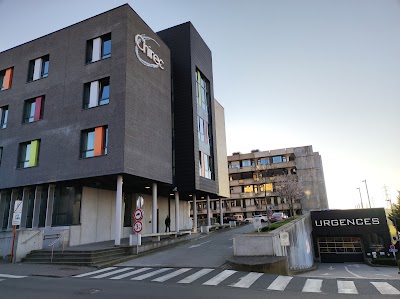
Travel and Stay
Round-trip flight
One-night stay
Attractions
Frequently asked questions
When evaluating facilities for stereotactic radiosurgery, consider the provider's experience, the technology used, and the facility's accreditation. Look for centers that specialize in this procedure and have a track record of successful outcomes.
To ensure safety and quality, research the accreditation of the facility and the qualifications of the medical team. Look for international certifications and patient reviews to gauge the facility's reputation and adherence to safety standards.
Recovery time after stereotactic radiosurgery can vary, but many patients return to normal activities within a few days. It's important to plan for follow-up appointments and any necessary rest, which may influence your travel schedule.
Ask about the provider's experience with stereotactic radiosurgery, the technology they use, and their success rates. Inquire about the support available for international patients, including language assistance and post-treatment care.
While costs for stereotactic radiosurgery abroad may be lower than in the United States, it's essential to consider the overall value, including the quality of care and potential travel expenses. Always request a detailed breakdown of costs and any additional fees.
Belgium is known for its high-quality healthcare system and modern medical facilities. Before traveling, it's important to plan your itinerary, including accommodations and transportation. Many cities, such as Brussels and Antwerp, are well-connected and offer a range of options for getting around, including public transport and taxis.
The cost of living in Belgium can vary by city, but generally, it is comparable to many U.S. cities. While some expenses like dining out and public transportation may be more affordable, accommodation prices can vary widely. It's advisable to budget accordingly and research options that fit your needs.
U.S. citizens can enter Belgium for short stays of up to 90 days without a visa for tourism or medical travel. However, it's important to ensure your passport is valid for at least three months beyond your planned departure date from the Schengen Area. Always check for the latest travel advisories and entry requirements before your trip.
Yes, English is commonly spoken in many healthcare facilities in Belgium, especially in larger cities and among medical professionals who cater to international patients. While French and Dutch are the official languages, you should find that most staff can communicate effectively in English, making your experience smoother.
When planning for recovery in Belgium, consider your accommodation's proximity to your treatment facility and any follow-up appointments. Many patients choose to stay in comfortable hotels or serviced apartments that offer amenities for recovery. Additionally, it's wise to have a plan for transportation and any necessary assistance during your recovery period.
Data last updated July 10, 2026. Prices and savings are estimates, not guarantees.