

Botulinum toxin injections (for dystonia, spasticity) Care in Hungary
Botulinum toxin injections (for dystonia, spasticity) in Hungary typically costs $400 to $2,000 on CureValue-listed providers, about 47 percent less than typical US prices.

Why Americans travel for botulinum toxin injections (for dystonia, spasticity) care
Botulinum toxin injections are a treatment option for conditions like dystonia and spasticity, which involve involuntary muscle contractions and stiffness, respectively. The procedure typically involves a healthcare provider injecting small amounts of the toxin into specific muscles to help reduce these symptoms, improving mobility and comfort. Patients may consider seeking this treatment abroad for various reasons, such as shorter wait times, availability of specialized care, or potentially lower costs. However, it is crucial to carefully evaluate the experience of the provider, the quality and accreditation of the facility, and the transparency of costs before proceeding. While some patients may find benefits in terms of access and convenience, it is essential to consider factors like recovery time, travel logistics, and the availability of follow-up care to ensure a safe and effective treatment experience.

Key stats: Botulinum toxin injections (for dystonia, spasticity) in Hungary

91
Top neurology facilities in Hungary
Compare all 4 providers →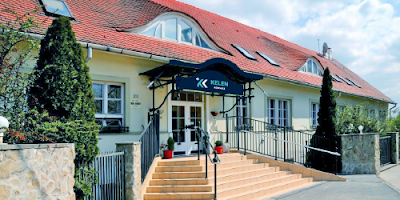


Travel and Stay
Round-trip flight
One-night stay
Attractions
Frequently asked questions
When evaluating providers, consider their experience with the specific procedure, the facility's accreditation, and patient reviews. It's also important to inquire about the qualifications of the medical staff and the standards of care in the facility where the injections will be administered.
To ensure safety and quality, look for clinics that are accredited by recognized international health organizations. Additionally, verify that the botulinum toxin used is FDA-approved or equivalent, and ask about the clinic's infection control practices and emergency protocols.
Recovery time can vary, but most patients can resume normal activities within a few days after the injections. However, it's advisable to avoid strenuous activities for at least 24 hours and follow any specific post-treatment instructions provided by your healthcare provider.
Key questions include: What is your experience with this specific treatment? Can you provide references or testimonials from previous patients? What type of botulinum toxin do you use, and is it FDA-approved? What are the potential risks and side effects I should be aware of?
While costs can vary significantly by location and provider, many patients find that treatment abroad can be more affordable than in the U.S. However, it's important to consider all associated costs, including travel and accommodation, and not just the price of the injections themselves.
When planning your trip to Hungary for medical care, it's important to research your healthcare options and understand the logistics of your stay. Many Americans find Hungary appealing due to its well-established healthcare infrastructure and the availability of English-speaking medical professionals. Additionally, consider your accommodation and transportation needs to ensure a smooth recovery process.
U.S. citizens can enter Hungary for short stays of up to 90 days without a visa for tourism or medical purposes. However, it's advisable to have a valid passport and to check for any updates on entry requirements before your trip. Always ensure your travel documents are in order to avoid any complications.
English is widely spoken in Hungary, particularly in urban areas and among healthcare professionals. Many hospitals and clinics catering to international patients have staff who are fluent in English, making communication easier for American travelers. It's still a good idea to learn a few basic Hungarian phrases to enhance your experience.
Hungary generally has a lower cost of living compared to the United States, which can be beneficial for medical travelers. While prices for lodging, food, and transportation can vary, many Americans find that their expenses are more manageable in Hungary. However, it's important to budget according to your specific needs and preferences.
Getting around Hungary is relatively easy, with a well-developed public transportation system that includes buses, trams, and metro services, especially in cities like Budapest. Taxis and rideshare services are also available. Planning your transportation in advance can help ensure you have a smooth experience while attending appointments and recovering.
Data last updated July 10, 2026. Prices and savings are estimates, not guarantees.