

Stereotactic radiosurgery Care in India
Stereotactic radiosurgery in India typically costs $150 to $30,000 on CureValue-listed providers, about 68 percent less than typical US prices.

Why Americans travel for stereotactic radiosurgery care
Stereotactic radiosurgery (SRS) is a non-invasive treatment that uses focused radiation beams to target and treat specific areas in the brain or other parts of the body, often for conditions like tumors, arteriovenous malformations, or certain neurological disorders. The procedure typically involves imaging techniques, such as MRI or CT scans, to precisely locate the treatment area, followed by the delivery of high doses of radiation in a single session or over a few days. Patients may consider seeking SRS abroad for various reasons, including shorter wait times, availability of advanced technology, or potentially lower costs, though these factors can vary widely by location. While some patients report benefits from receiving care in other countries, such as access to specialized expertise or innovative techniques, it is crucial to thoroughly research the experience of the healthcare providers, the quality and accreditation of the facilities, and the transparency of costs. Additionally, patients should consider logistics like recovery time, travel requirements, and the availability of follow-up care to ensure a comprehensive understanding of their options.

Key stats: Stereotactic radiosurgery in India

87
Top neurology facilities in India
Compare all 57 providers →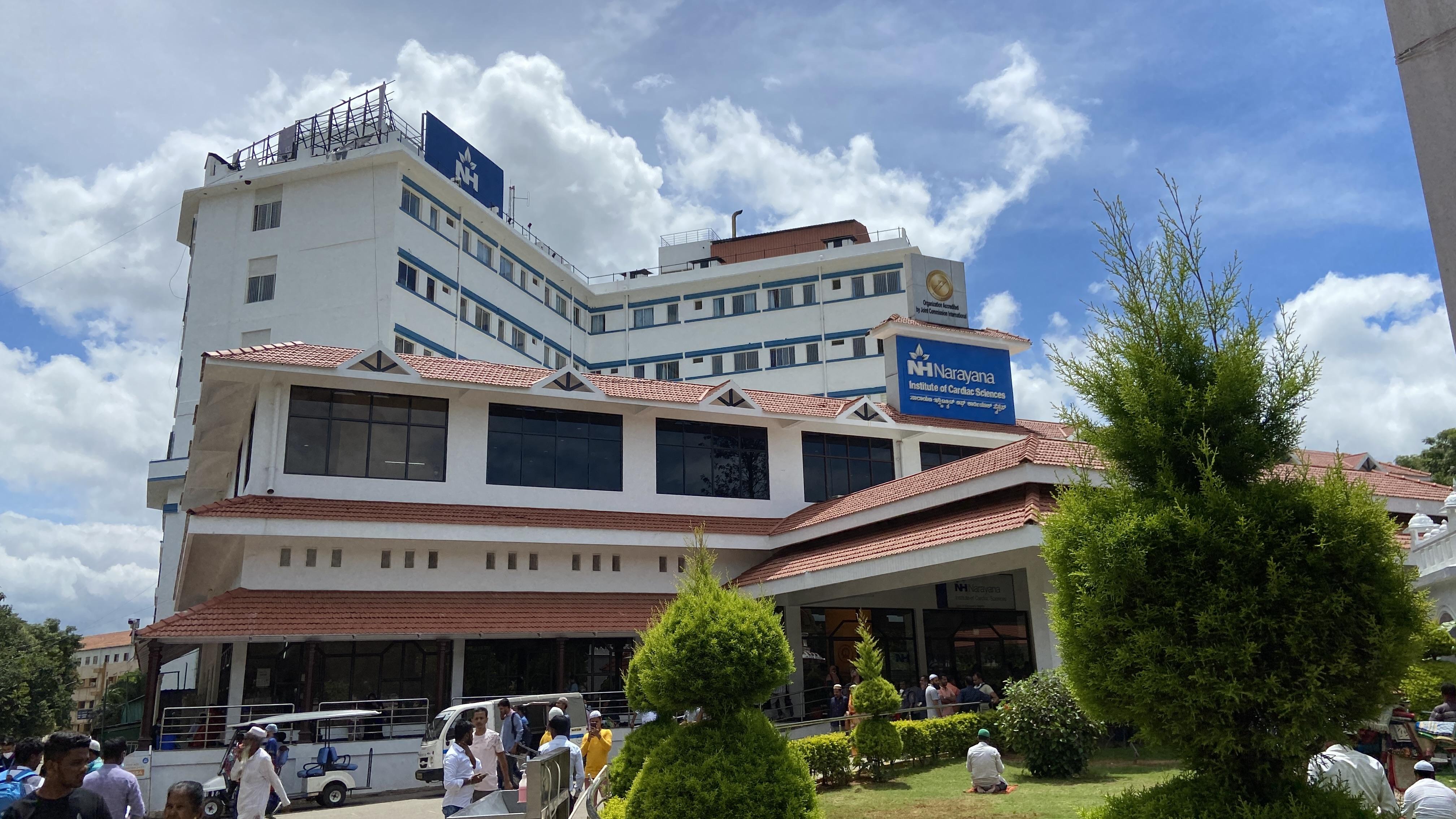
Top neurology doctors in India

Travel and Stay
Round-trip flight
One-night stay
Attractions
Frequently asked questions
When evaluating facilities for stereotactic radiosurgery, consider the provider's experience, the technology used, and the facility's accreditation. Look for centers that specialize in this procedure and have a track record of successful outcomes.
To ensure safety and quality, research the accreditation of the facility and the qualifications of the medical team. Look for international certifications and patient reviews to gauge the facility's reputation and adherence to safety standards.
Recovery time after stereotactic radiosurgery can vary, but many patients return to normal activities within a few days. It's important to plan for follow-up appointments and any necessary rest, which may influence your travel schedule.
Ask about the provider's experience with stereotactic radiosurgery, the technology they use, and their success rates. Inquire about the support available for international patients, including language assistance and post-treatment care.
While costs for stereotactic radiosurgery abroad may be lower than in the United States, it's essential to consider the overall value, including the quality of care and potential travel expenses. Always request a detailed breakdown of costs and any additional fees.
When traveling to India for medical care, it's important to plan ahead. Ensure you have a valid passport and check the visa requirements for U.S. citizens, which typically involve applying for an e-Visa. Familiarize yourself with local customs and healthcare practices to enhance your experience.
The cost of living in India is generally lower than in the U.S., which can make accommodations, food, and transportation more affordable. However, prices can vary significantly depending on the city and the type of services you choose, so it's wise to budget accordingly.
Yes, English is widely spoken in India, particularly in urban areas and healthcare settings. Many healthcare professionals are fluent in English, which can help facilitate communication and ensure you understand your care options.
India has a robust healthcare infrastructure that caters to international patients, with many hospitals and clinics equipped with modern technology and experienced staff. Facilities often have dedicated international patient departments to assist with logistics and ensure a smooth experience.
Getting around in India can be convenient with various transportation options, including taxis, auto-rickshaws, and ride-sharing services. It's advisable to arrange transportation in advance for hospital visits and recovery, and many hotels offer shuttle services to medical facilities.
Data last updated July 10, 2026. Prices and savings are estimates, not guarantees.