

Deep brain stimulation Care in Jordan
Deep brain stimulation in Jordan typically costs $400 to $600 on CureValue-listed providers, about 54 percent less than typical US prices.

Why Americans travel for deep brain stimulation care
Deep brain stimulation (DBS) is a surgical treatment that involves implanting a device that sends electrical impulses to specific areas of the brain, which can help manage symptoms of certain neurological conditions. It is commonly recommended for patients with Parkinson's disease, essential tremor, and dystonia, particularly when other treatments have not provided sufficient relief. The procedure typically involves placing electrodes in targeted brain regions, connected to a pulse generator implanted under the skin, and may require careful programming and adjustments afterward. Some Americans consider seeking DBS abroad due to factors like shorter wait times, availability of specialized centers, or potentially lower costs, but it is essential to thoroughly research the experience of the healthcare providers, the quality and accreditation of the facilities, and the transparency of costs. While receiving care abroad may offer certain logistical advantages, such as access to advanced techniques or shorter recovery times, patients should also consider the implications for follow-up care and travel requirements, ensuring they have a clear understanding of the entire process before making a decision.

Key stats: Deep brain stimulation in Jordan

83
Top neurology facilities in Jordan
Compare all 1 provider →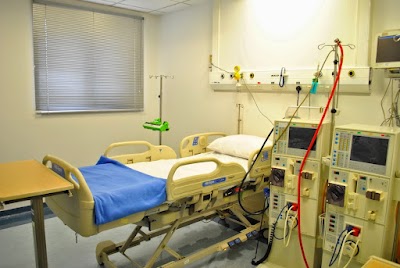
Travel and Stay
Round-trip flight
One-night stay
Attractions
Frequently asked questions
When evaluating options for deep brain stimulation abroad, consider the provider's experience, the facility's accreditation, and the technology used. Research patient reviews and outcomes, and ensure the facility adheres to international safety standards.
To ensure safety and quality, look for facilities that are accredited by recognized international health organizations. Verify the qualifications and experience of the medical team, and inquire about the protocols in place for patient care and post-operative monitoring.
Recovery time after deep brain stimulation can vary, but many patients may need to stay in the destination for several days to weeks for monitoring and follow-up care. It's important to plan your travel itinerary accordingly, allowing for adequate recovery and any necessary follow-up appointments.
Ask about the provider's experience with deep brain stimulation, the number of procedures performed, and their success rates. Inquire about the technology used, post-operative care, and how they handle complications. Understanding their approach to patient care is crucial.
While costs for deep brain stimulation abroad may be lower than in the United States, it's essential to consider all associated expenses, including travel, accommodation, and follow-up care. Researching and comparing total costs can help you make an informed decision without assuming guaranteed savings.
Before traveling to Jordan for medical care, it's important to plan your itinerary, including accommodations and transportation. Many medical travelers find it helpful to connect with local resources or support services that can assist with logistics. Additionally, familiarize yourself with local customs and healthcare practices to enhance your experience.
The cost of living in Jordan is generally lower than in the U.S., which can make accommodations, food, and transportation more affordable. However, prices can vary based on location and personal preferences, so it's wise to budget accordingly and research options that fit your needs.
U.S. citizens traveling to Jordan typically need a visa, which can often be obtained upon arrival at the airport. It's advisable to check the latest entry requirements before your trip, as regulations can change. Ensure your passport is valid for at least six months beyond your planned departure date.
Yes, English is widely spoken in Jordan, particularly in urban areas and among healthcare professionals. Many doctors and medical staff are fluent in English, which can help facilitate communication and ensure a smoother experience for American medical travelers.
Getting around in Jordan is relatively easy, with options including taxis, ride-sharing services, and public transportation. Many medical travelers prefer to arrange transportation through their healthcare provider or local support services for convenience. It's also helpful to plan for recovery logistics, such as proximity to your accommodation and medical facility.
Data last updated July 10, 2026. Prices and savings are estimates, not guarantees.