

Interventional neuroradiology Care in Saudi Arabia
Interventional neuroradiology in Saudi Arabia is listed on CureValue.

Why Americans travel for interventional neuroradiology care
Interventional neuroradiology is a specialized field that uses minimally invasive techniques to diagnose and treat conditions affecting the brain and spine, often involving the use of imaging technology like X-rays or MRI to guide procedures. It may be recommended for various conditions, such as aneurysms, arteriovenous malformations, or certain types of strokes, where traditional surgery may not be the best option. Common procedures include angioplasty, stenting, and embolization, which aim to restore blood flow or block abnormal blood vessels. Americans might consider seeking interventional neuroradiology abroad due to factors like access to specific treatments, availability of advanced technology, potential cost savings, or shorter wait times. While there may be potential benefits to receiving care internationally, such as access to specialized expertise or innovative techniques, it is crucial to carefully evaluate the experience of the provider, the quality and accreditation of the facility, and the transparency of costs. Additionally, patients should consider recovery times, travel logistics, and the availability of follow-up care when making their decision.

Key stats: Interventional neuroradiology in Saudi Arabia

87
Top neurology facilities in Saudi Arabia
Compare all 3 providers →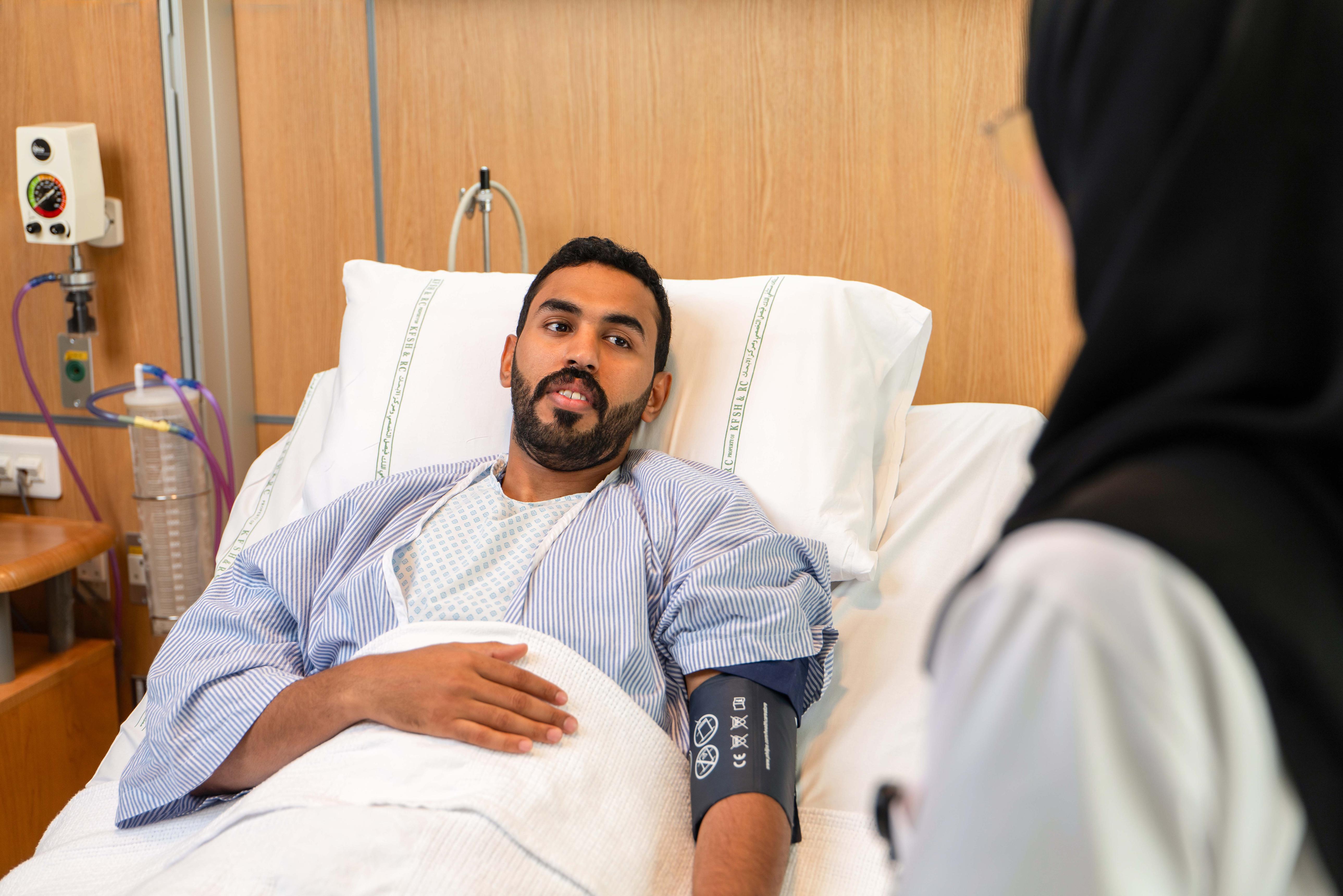
King Faisal Specialist Hospital & Research Centre
91
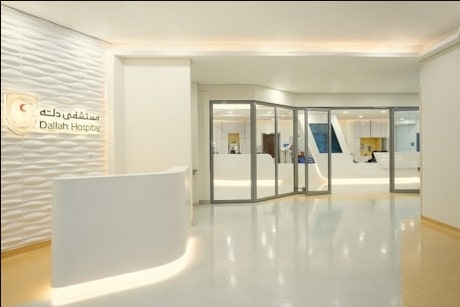
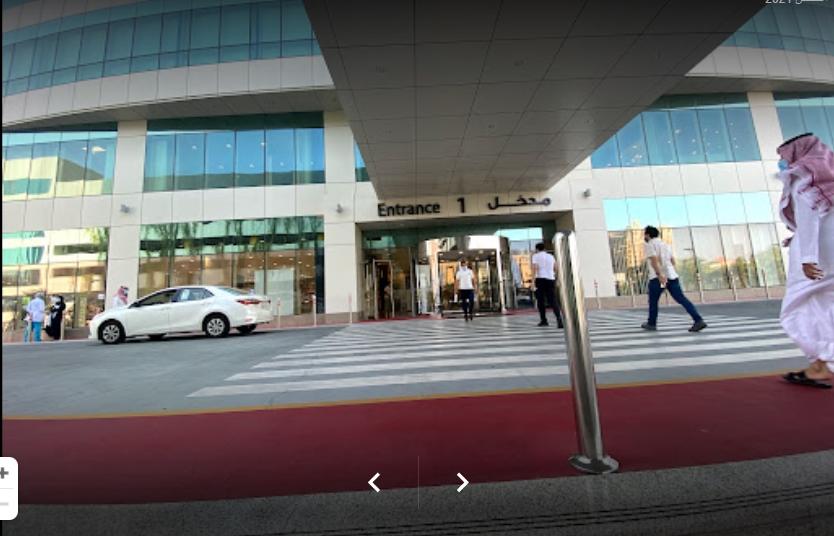
Travel and Stay
Round-trip flight
One-night stay
Attractions
Frequently asked questions
When considering interventional-neuroradiology abroad, it's essential to verify the qualifications and experience of the providers. Look for board certifications, specialized training in interventional neuroradiology, and years of experience performing the specific procedures you may need.
To assess safety and quality, check if the facility is accredited by recognized international health organizations. Additionally, inquire about the technology and equipment used, as well as the facility's infection control protocols and patient outcomes related to interventional-neuroradiology procedures.
Recovery time after interventional-neuroradiology can vary based on the specific procedure performed and individual health factors. Generally, patients may need a few days to a week for initial recovery, but follow-up care and monitoring will be necessary, which could influence travel plans.
Key questions to ask include the provider's experience with your specific condition, the types of imaging and techniques they use, their complication rates, and how they handle post-procedure follow-up. It's also important to understand the support available for international patients.
While many patients seek interventional-neuroradiology abroad for potentially lower costs, it's important to consider that prices can vary widely based on the facility and country. Always request detailed quotes and understand what is included, as well as any potential additional costs for follow-up care.
When planning your medical travel to Saudi Arabia, it's important to familiarize yourself with the local customs and healthcare system. Many hospitals cater to international patients and have English-speaking staff, making communication easier. Additionally, consider the climate and plan your travel dates accordingly, as summers can be extremely hot.
U.S. citizens traveling to Saudi Arabia for medical purposes typically need a visa. It's advisable to apply for a medical visa through the Saudi embassy or consulate before your trip. Ensure you have all necessary documentation, including an invitation from a healthcare provider in Saudi Arabia, to facilitate the process.
The cost of living in Saudi Arabia can vary significantly depending on the city and lifestyle. Generally, accommodation and food can be more affordable than in the U.S., but this can depend on your choices. It's wise to budget for your stay, considering both medical expenses and daily living costs.
Yes, English is commonly spoken in Saudi Arabia, particularly in major cities and healthcare facilities. Many healthcare professionals are fluent in English, which helps facilitate communication for international patients. However, it's always helpful to learn a few basic Arabic phrases to enhance your experience.
When traveling to Saudi Arabia for medical care, consider how you will get around. Major cities have reliable transportation options, including taxis and ride-sharing services. Additionally, plan for your recovery by ensuring you have accommodations close to your medical facility and consider any follow-up appointments that may be necessary.
Data last updated July 10, 2026. Prices and savings are estimates, not guarantees.