

Heart transplant Care in Malaysia
Heart transplant in Malaysia typically costs $25,000 to $300,000 on CureValue-listed providers, about 65 percent less than typical US prices.

Why Americans travel for heart transplant care
A heart transplant is a surgical procedure that involves replacing a diseased or damaged heart with a healthy heart from a donor. This treatment is typically recommended for individuals with severe heart conditions, such as end-stage heart failure, coronary artery disease, or certain types of cardiomyopathy, who have not responded to other treatments. The procedure usually requires a thorough evaluation to determine eligibility, and it involves complex surgical techniques to connect the new heart to the patient's blood vessels. Americans may consider seeking a heart transplant abroad for various reasons, including shorter wait times, availability of specific procedures, or potentially lower costs. While there may be potential benefits to receiving care in another country, such as access to specialized expertise or advanced technologies, it is crucial to carefully evaluate factors like the provider's experience, the quality and accreditation of the facility, cost transparency, recovery time, travel logistics, and the availability of follow-up care. Understanding these elements can help patients make informed decisions about whether to pursue a heart transplant outside the United States.

Key stats: Heart transplant in Malaysia

92
Top organ transplant facilities in Malaysia
Compare all 2 providers →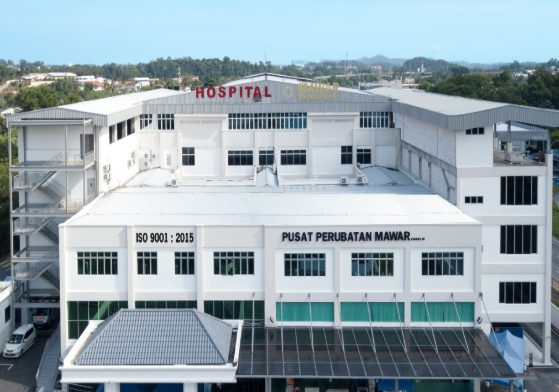
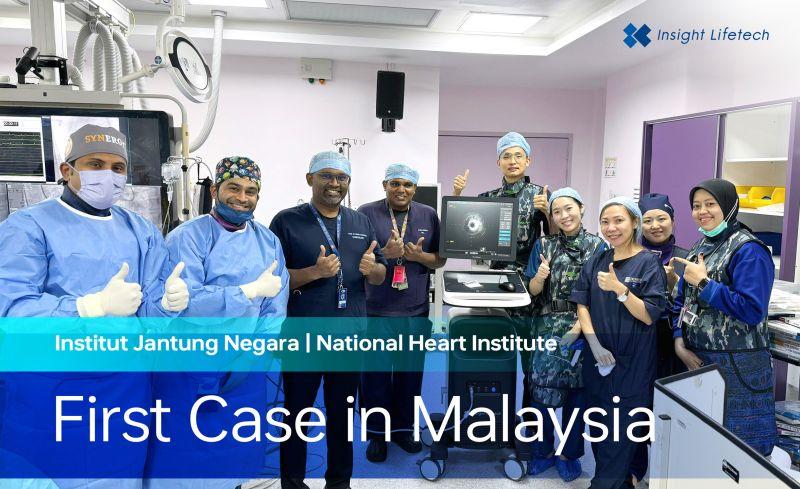
Travel and Stay
Round-trip flight
One-night stay
Attractions
Frequently asked questions
When evaluating hospitals for a heart transplant, consider the facility's accreditation, the experience of the transplant team, and the hospital's track record with heart transplant procedures. It's also important to look into the hospital's patient care standards and post-operative support services.
To ensure safety and quality of care, research the hospital's accreditation by recognized international bodies and check for any patient reviews or testimonials. Additionally, inquire about the hospital's infection control measures and the availability of advanced medical technology.
The typical recovery process after a heart transplant involves a hospital stay of several days followed by weeks of outpatient care. Travel can impact recovery, so it's essential to plan for follow-up appointments and consider the time needed for rest and rehabilitation before returning home.
Key questions to ask include the provider's experience with heart transplants, the number of procedures performed annually, and the hospital's success rates. Additionally, inquire about the post-operative care plan and how they handle complications or emergencies.
While costs for a heart transplant abroad may be lower than in the U.S., it's important to consider all associated expenses, including travel, accommodation, and follow-up care. Always request a detailed breakdown of costs from potential providers to make an informed comparison.
Before traveling to Malaysia for medical care, it's important to plan your itinerary, including accommodations and transportation. Many medical travelers find it helpful to stay near their healthcare facility for convenience. Additionally, familiarize yourself with local customs and healthcare practices to enhance your experience.
The cost of living in Malaysia is generally lower than in the U.S., which can make accommodations, food, and transportation more affordable. However, prices can vary depending on the city and area you choose to stay in, so it's wise to research and budget accordingly.
U.S. citizens can enter Malaysia without a visa for stays of up to 90 days for tourism or business purposes. It's advisable to have a valid passport with at least six months of validity remaining and to check for any updates on entry requirements before your trip.
Yes, English is widely spoken in Malaysia, particularly in urban areas and healthcare settings. Many healthcare professionals are fluent in English, which can help facilitate communication and ensure that you feel comfortable during your medical journey.
Getting around Malaysia is generally easy, with options like taxis, ride-sharing services, and public transportation available in major cities. For recovery, consider staying in a location that offers easy access to your healthcare facility and amenities. Planning for follow-up appointments and local support can also enhance your recovery experience.
Data last updated July 10, 2026. Prices and savings are estimates, not guarantees.