

Pancreas transplant Care in South Korea
Pancreas transplant in South Korea typically costs $60,000 to $350,000 on CureValue-listed providers, about 33 percent less than typical US prices.

Why Americans travel for pancreas transplant care
A pancreas transplant is a surgical procedure that involves replacing a diseased pancreas with a healthy one from a deceased donor, and it is typically recommended for individuals with type 1 diabetes who experience severe complications or have difficulty managing their blood sugar levels. The procedure aims to restore insulin production and improve overall metabolic control, which may help alleviate symptoms such as frequent urination, extreme thirst, and fatigue. Patients considering this transplant may explore options abroad due to factors like shorter wait times, varying costs, or specific expertise available in certain countries. However, it is crucial to carefully evaluate the experience of the medical team, the quality and accreditation of the healthcare facility, and the transparency of costs before making a decision. Additionally, patients should consider the logistics of travel, recovery time, and the availability of follow-up care after the procedure, as these factors can significantly impact the overall experience and outcomes of the transplant.

Key stats: Pancreas transplant in South Korea

90
Top organ transplant facilities in South Korea
Compare all 1 provider →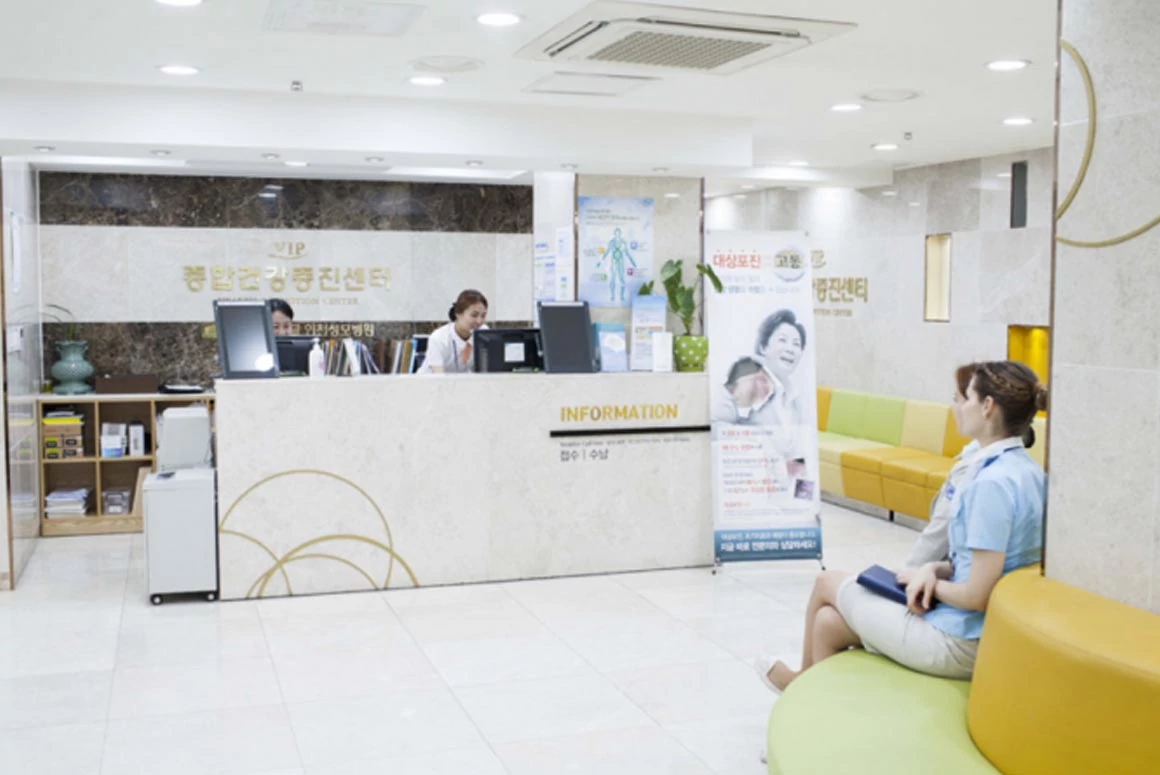
Seoul St. Mary’s Hospital at Kwandong Catholic University
90
Top organ transplant doctors in South Korea

Prof. Chul-Woo Yang
Organ Transplant
Seoul St. Mary’s Hospital at Kwandong Catholic UniversityView facility
Prof. Park-Sun Cheol
Organ Transplant
Seoul St. Mary’s Hospital at Kwandong Catholic UniversityView facilityTravel and Stay
Round-trip flight
One-night stay
Attractions
Frequently asked questions
When evaluating hospitals for a pancreas transplant, consider the facility's accreditation, the experience of the transplant team, and the volume of pancreas transplants performed annually. It's also important to look for patient reviews and outcomes data to gauge the quality of care provided.
The recovery process for a pancreas transplant abroad is generally similar to that in the U.S., but it may vary based on the healthcare system and follow-up care available in the destination country. Patients should inquire about post-operative care, rehabilitation services, and how follow-up appointments will be managed after returning home.
Look for programs that are accredited by recognized international bodies and have established protocols for patient safety. Additionally, inquire about the hospital's infection rates, the experience of the surgical team, and the availability of advanced medical technology to ensure high-quality care.
Key questions to ask include the provider's experience with pancreas transplants, the number of procedures performed, the expected recovery timeline, and how complications are managed. Additionally, ask about the support available for international patients, including language services and travel assistance.
To compare costs, research the total expenses involved, including the procedure, hospital stay, medications, and follow-up care. While some international options may appear less expensive, consider the quality of care and potential additional costs for travel and accommodations. It's essential to evaluate the overall value rather than just the price.
When planning your trip to South Korea for medical care, it's important to research the healthcare facilities and understand the logistics of your stay. Many hospitals cater to international patients, offering services in English and assistance with travel arrangements. Additionally, familiarize yourself with local customs and transportation options to ensure a smooth experience.
The cost of living in South Korea can vary significantly depending on the city and lifestyle. Generally, accommodations, food, and transportation can be more affordable than in many U.S. cities. However, it's wise to budget according to your personal preferences and needs, as prices can fluctuate.
U.S. citizens traveling to South Korea for short stays, including medical travel, typically do not need a visa for visits of up to 90 days. However, it's essential to have a valid passport and check for any updates on entry requirements before your trip. Always verify the latest information from official sources.
English is commonly spoken in major cities and tourist areas in South Korea, particularly in healthcare settings that cater to international patients. Many medical professionals are proficient in English, which can help ease communication during your visit. However, learning a few basic Korean phrases can enhance your experience.
South Korea has an efficient public transportation system, including subways, buses, and taxis, making it easy to navigate cities. For medical travelers, many hospitals offer shuttle services or assistance with transportation arrangements. It's advisable to download local transportation apps to help plan your journeys.
Data last updated July 10, 2026. Prices and savings are estimates, not guarantees.