

Hand surgery Care in Japan
Hand surgery in Japan typically costs $10,000 to $30,000 on CureValue-listed providers, about 39 percent less than typical US prices.

Why Americans travel for hand surgery care
Hand surgery is a specialized field that focuses on diagnosing and treating conditions affecting the hand, wrist, and forearm, often involving procedures to repair injuries, relieve pain, or restore function. Common reasons for considering hand surgery include carpal tunnel syndrome, tendon injuries, fractures, arthritis, and congenital deformities. Typical procedures may involve tendon repair, joint replacement, or nerve decompression, and they can vary in complexity from minimally invasive techniques to more extensive surgeries. Some Americans may explore options for hand surgery abroad due to factors such as shorter wait times, potential cost savings, or the availability of specific procedures not easily accessible in the U.S. While there may be potential benefits to receiving care overseas, such as access to experienced surgeons or advanced technology, it is crucial to carefully evaluate the provider's qualifications, the facility's accreditation, and the transparency of costs. Additionally, considerations like recovery time, travel logistics, and the availability of follow-up care should be factored into the decision-making process to ensure a safe and effective treatment experience.

Key stats: Hand surgery in Japan

85
Top orthopedic/knee surgery facilities in Japan
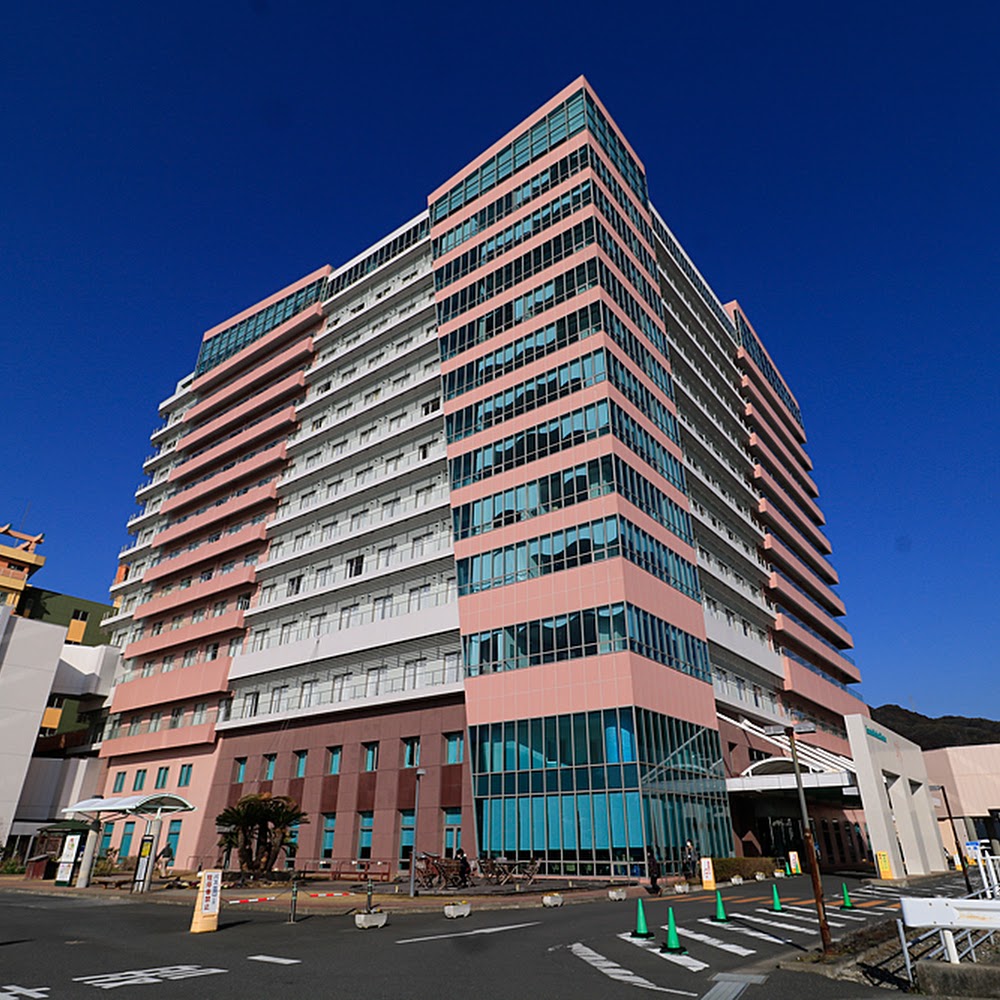
Compare all 2 providers →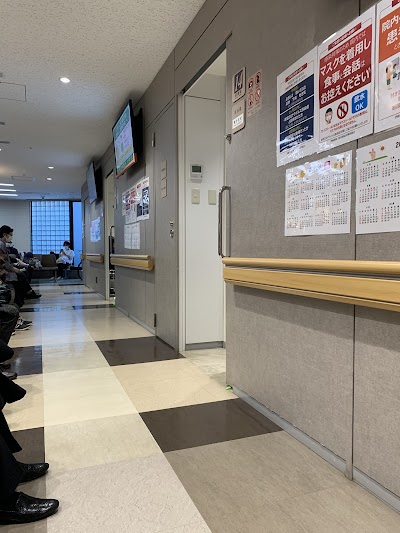
Travel and Stay
Round-trip flight
One-night stay
Attractions
Frequently asked questions
When evaluating hand surgery options abroad, consider the surgeon's experience, the facility's accreditation, and the country's healthcare standards. Research patient reviews and outcomes, and ensure the facility has the necessary technology and support for your specific procedure.
To ensure safety and quality for hand surgery abroad, look for accredited facilities and board-certified surgeons. Verify that the hospital meets international standards and check for any patient safety records or certifications that indicate a commitment to high-quality care.
Recovery time for hand surgery can vary, but most patients may need a few weeks for initial healing and several months for full recovery. Plan your travel accordingly, allowing time for follow-up appointments and any necessary rehabilitation before returning home.
Before choosing a provider for hand surgery abroad, ask about their experience with your specific procedure, the facility's accreditation, and the post-operative care they offer. Inquire about the expected recovery process and any potential complications associated with the surgery.
The cost of hand surgery abroad can vary widely and may be lower than in the U.S., but it's important to consider all associated expenses, including travel and accommodation. Always request a detailed breakdown of costs and understand what is included in the price before making a decision.
When planning a trip to Japan for medical care, it's important to research the healthcare facilities and understand the logistics of your stay. Many hospitals are well-equipped to handle international patients, and English-speaking staff are often available. Additionally, familiarize yourself with local customs and transportation options to ensure a smooth experience.
The cost of living in Japan can vary significantly depending on the city. Generally, urban areas like Tokyo may have higher accommodation and dining costs compared to rural regions. While some medical travelers find that certain expenses are lower than in the U.S., it's essential to budget for your specific needs and preferences.
U.S. citizens traveling to Japan for short stays, including medical travel, typically do not need a visa for visits up to 90 days. However, it's advisable to check the latest entry requirements and ensure your passport is valid for the duration of your stay. Always verify any updates before your trip.
While Japanese is the primary language, many healthcare facilities in Japan, especially those catering to international patients, have English-speaking staff. It's helpful to learn a few basic phrases in Japanese, but you can generally expect assistance in English at major hospitals and clinics.
Japan has an extensive and efficient public transportation system, including trains, subways, and buses, making it easy to navigate cities. For medical travelers, it's advisable to plan your routes in advance and consider purchasing a Japan Rail Pass for longer journeys. Taxis are also available, but they can be more expensive than public transport.
Data last updated July 10, 2026. Prices and savings are estimates, not guarantees.