

Carpal tunnel release Care in Thailand
Carpal tunnel release in Thailand typically costs $2,500 to $20,000 on CureValue-listed providers, about 60 percent less than typical US prices.

Why Americans travel for carpal tunnel release care
Carpal tunnel release is a surgical procedure designed to relieve pressure on the median nerve in the wrist, which can become compressed due to conditions like carpal tunnel syndrome, often characterized by symptoms such as numbness, tingling, and weakness in the hand. The treatment typically involves making an incision in the wrist to cut the ligament that is pressing on the nerve, and it can be performed using traditional open surgery or minimally invasive techniques. Americans may consider seeking this procedure abroad for various reasons, including potentially shorter wait times, different availability of specialists, or cost considerations, though it is important to approach these factors with caution. While some patients may find benefits such as reduced costs or access to experienced surgeons, it is crucial to thoroughly evaluate the provider's qualifications, the quality and accreditation of the medical facility, and the transparency of costs. Additionally, patients should consider recovery time, travel logistics, and the availability of follow-up care after returning home, as these factors can significantly impact the overall experience and outcome of the treatment.

Key stats: Carpal tunnel release in Thailand

88
Top orthopedic/knee surgery facilities in Thailand
Compare all 53 providers →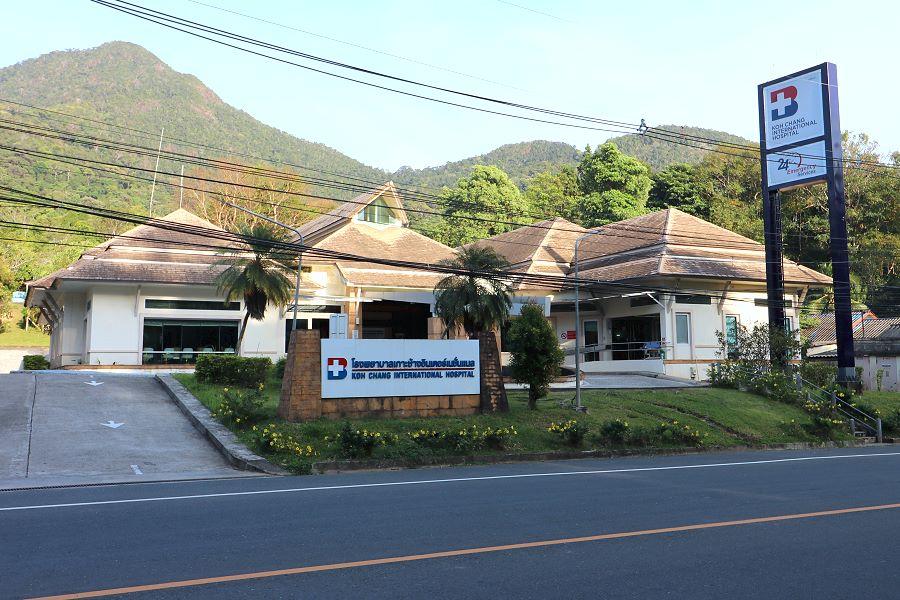
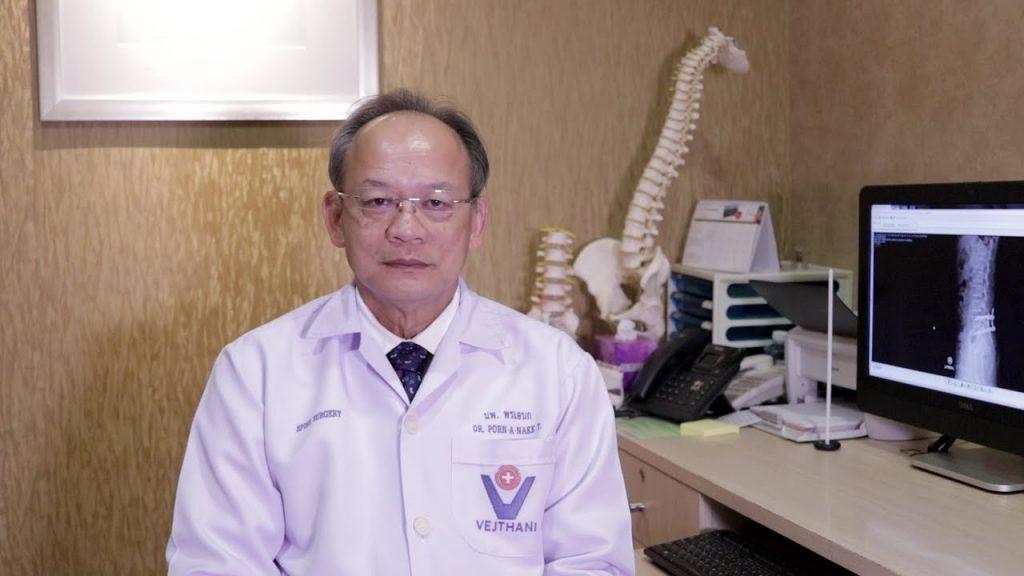
Vejthani International Hospital, Bangkok
95
Travel and Stay
Round-trip flight
One-night stay
Attractions
Frequently asked questions
When evaluating facilities for Carpal Tunnel Release, consider the provider's experience, the facility's accreditation, and the standards of care they maintain. Look for hospitals or clinics that are accredited by recognized international bodies, as this can indicate adherence to quality and safety protocols.
To ensure safety for your Carpal Tunnel Release procedure, research the surgeon's qualifications and experience specifically in this surgery. Additionally, check for patient reviews and testimonials, and confirm that the facility follows strict hygiene and safety protocols.
Recovery time after Carpal Tunnel Release typically ranges from a few days to several weeks, depending on individual factors. It's important to plan for follow-up appointments and allow adequate time for recovery before traveling back home to ensure a smooth healing process.
Before undergoing Carpal Tunnel Release, ask your provider about their experience with the procedure, the expected recovery timeline, and the type of anesthesia used. Additionally, inquire about post-operative care and any potential complications specific to the surgery.
While the cost of Carpal Tunnel Release abroad can often be lower than in the U.S., it's important to consider all associated expenses, including travel and accommodation. Researching multiple providers and understanding what is included in the quoted price can help you make an informed decision.
When planning your trip to Thailand for medical care, it's important to research the healthcare facilities and understand the logistics of your stay. Many hospitals cater to international patients and offer English-speaking staff. Additionally, consider the climate, local customs, and transportation options to ensure a smooth experience.
Thailand generally has a lower cost of living compared to the U.S., which can make accommodations, food, and transportation more affordable. However, prices can vary significantly depending on the location and type of services you choose, so it's wise to budget accordingly and research options in advance.
U.S. citizens traveling to Thailand for medical purposes typically need a tourist visa, which allows for stays of up to 30 days without prior arrangements. It's advisable to check the latest entry requirements and consider applying for an extension if your stay will be longer. Always ensure your passport is valid for at least six months beyond your planned departure date.
Yes, English is commonly spoken in many healthcare facilities in Thailand, especially those that cater to international patients. Most doctors and medical staff in major hospitals are proficient in English, which helps facilitate communication and ensures a better experience for American travelers seeking care.
Thailand offers a variety of transportation options, including taxis, tuk-tuks, and public transit systems like the BTS Skytrain in Bangkok. For longer distances, domestic flights and trains are also available. It's advisable to plan your transportation in advance, especially for hospital visits and recovery logistics, to ensure a comfortable experience.
Data last updated July 10, 2026. Prices and savings are estimates, not guarantees.