

Hyperpigmentation treatments Care in Belgium
Hyperpigmentation treatments in Belgium typically costs $400 to $600 on CureValue-listed providers, about 27 percent less than typical US prices.

Why Americans travel for hyperpigmentation treatments care
Hyperpigmentation treatments aim to reduce dark patches on the skin caused by various factors, including sun exposure, hormonal changes, or certain medications. Common conditions that may lead to hyperpigmentation include melasma, age spots, and post-inflammatory hyperpigmentation from acne or injuries. Treatment options typically involve topical agents like hydroquinone or retinoids, chemical peels, laser therapy, or microdermabrasion, which help to lighten the affected areas. Some Americans consider seeking these treatments abroad due to factors such as potentially lower costs, shorter wait times, or greater availability of specific procedures. While there may be potential benefits to receiving care overseas, such as access to specialized techniques, it is crucial to carefully evaluate the experience of the provider, the quality and accreditation of the facility, and the transparency of costs. Additionally, patients should consider recovery times, travel logistics, and the availability of follow-up care to ensure a safe and satisfactory experience.

Key stats: Hyperpigmentation treatments in Belgium

89
Top skin care facilities in Belgium
Compare all 1 provider →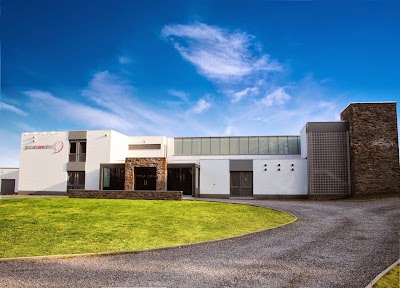
Travel and Stay
Round-trip flight
One-night stay
Attractions
Frequently asked questions
When seeking a provider for Hyperpigmentation Treatments, consider their experience, the facility's accreditation, and patient reviews. It's also important to verify that the clinic adheres to international safety standards and has qualified staff to perform the procedures.
To compare destinations for Hyperpigmentation Treatments, look at factors such as the reputation of clinics, the qualifications of healthcare providers, and the types of treatments offered. Additionally, consider patient testimonials and the overall healthcare infrastructure in each location.
Recovery times after Hyperpigmentation Treatments can vary depending on the specific procedure performed. Generally, patients may experience some redness or swelling for a few days, but many can return to normal activities within a week. It's essential to follow post-treatment care instructions provided by your provider.
Before undergoing Hyperpigmentation Treatments, ask your provider about their experience with the specific treatment, the expected outcomes, potential risks, and the aftercare process. Additionally, inquire about the facility's accreditation and any follow-up care that may be necessary.
While costs for Hyperpigmentation Treatments abroad may be lower than in the U.S., it's important to consider the overall value, including the quality of care and provider experience. Always request a detailed breakdown of costs and any additional expenses that may arise during your treatment journey.
Belgium is known for its high-quality healthcare system and modern medical facilities. Before traveling, it's important to plan your itinerary, including accommodations and transportation. Many cities, such as Brussels and Antwerp, are well-connected and offer a range of options for getting around, including public transport and taxis.
The cost of living in Belgium can vary by city, but generally, it is comparable to many U.S. cities. While some expenses like dining out and public transportation may be more affordable, accommodation prices can vary widely. It's advisable to budget accordingly and research options that fit your needs.
U.S. citizens can enter Belgium for short stays of up to 90 days without a visa for tourism or medical travel. However, it's important to ensure your passport is valid for at least three months beyond your planned departure date from the Schengen Area. Always check for the latest travel advisories and entry requirements before your trip.
Yes, English is commonly spoken in many healthcare facilities in Belgium, especially in larger cities and among medical professionals who cater to international patients. While French and Dutch are the official languages, you should find that most staff can communicate effectively in English, making your experience smoother.
When planning for recovery in Belgium, consider your accommodation's proximity to your treatment facility and any follow-up appointments. Many patients choose to stay in comfortable hotels or serviced apartments that offer amenities for recovery. Additionally, it's wise to have a plan for transportation and any necessary assistance during your recovery period.
Data last updated July 10, 2026. Prices and savings are estimates, not guarantees.