

Spinal stenosis Care in Malaysia
Spinal stenosis in Malaysia typically costs $500 to $30,000 on CureValue-listed providers, about 68 percent less than typical US prices.

Why Americans travel for spinal stenosis care
Spinal stenosis is a condition where the spaces within the spine narrow, which can put pressure on the spinal cord and nerves, often leading to symptoms like pain, numbness, or weakness in the legs and back. Treatment typically involves conservative measures such as physical therapy and medications, but in more severe cases, surgical options like laminectomy or spinal fusion may be recommended to relieve pressure. Americans considering treatment abroad may find that some countries offer shorter wait times, potentially lower costs, or different treatment options. However, it is crucial to carefully evaluate the experience of the healthcare providers, the quality and accreditation of the facilities, and the transparency of costs. Additionally, patients should consider recovery time, travel logistics, and the availability of follow-up care after returning home, as these factors can significantly impact the overall experience and outcome of treatment for spinal stenosis.

Key stats: Spinal stenosis in Malaysia

88
Top spine care facilities in Malaysia
Compare all 12 providers →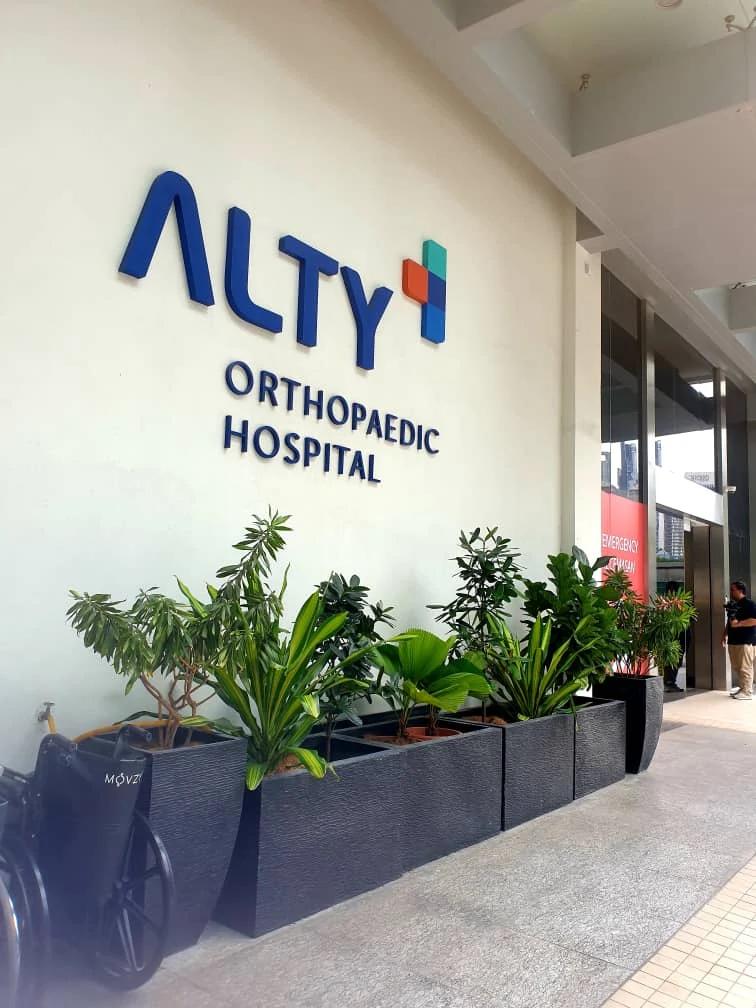
Travel and Stay
Round-trip flight
One-night stay
Attractions
Frequently asked questions
When evaluating international options for spinal stenosis treatment, consider the provider's experience, the facility's accreditation, and the quality of care standards. Research patient reviews and outcomes, and ensure the facility has the necessary technology and expertise for your specific condition.
To ensure safety and quality, look for facilities accredited by recognized international organizations. Verify the credentials and experience of the medical team, and inquire about their track record with spinal stenosis procedures. It's also beneficial to connect with past patients for firsthand experiences.
Recovery time after spinal stenosis treatment can vary based on the specific procedure performed and individual patient factors. Generally, patients may need several weeks for initial recovery, but full recovery can take longer. Discuss recovery expectations with your provider to plan your travel and follow-up care accordingly.
When considering providers for spinal stenosis treatment, ask about their experience with the specific procedure, the facility's accreditation, and the types of technology used. Inquire about post-operative care, follow-up procedures, and how they handle complications if they arise.
While costs for spinal stenosis treatment abroad can be lower than in the U.S., it's important to consider all associated expenses, including travel, accommodation, and follow-up care. Research and compare detailed quotes from multiple providers to understand the full financial picture before making a decision.
Before traveling to Malaysia for medical care, it's important to plan your itinerary, including accommodations and transportation. Many medical travelers find it helpful to stay near their healthcare facility for convenience. Additionally, familiarize yourself with local customs and healthcare practices to enhance your experience.
The cost of living in Malaysia is generally lower than in the U.S., which can make accommodations, food, and transportation more affordable. However, prices can vary depending on the city and area you choose to stay in, so it's wise to research and budget accordingly.
U.S. citizens can enter Malaysia without a visa for stays of up to 90 days for tourism or business purposes. It's advisable to have a valid passport with at least six months of validity remaining and to check for any updates on entry requirements before your trip.
Yes, English is widely spoken in Malaysia, particularly in urban areas and healthcare settings. Many healthcare professionals are fluent in English, which can help facilitate communication and ensure that you feel comfortable during your medical journey.
Getting around Malaysia is generally easy, with options like taxis, ride-sharing services, and public transportation available in major cities. For recovery, consider staying in a location that offers easy access to your healthcare facility and amenities. Planning for follow-up appointments and local support can also enhance your recovery experience.
Data last updated July 10, 2026. Prices and savings are estimates, not guarantees.