

Ankle sprain treatment Care in South Korea
Ankle sprain treatment in South Korea typically costs $800 to $8,000 on CureValue-listed providers, about 40 percent less than typical US prices.

Why Americans travel for ankle sprain treatment care
Ankle sprain treatment typically involves a combination of rest, ice, compression, and elevation (often referred to as the RICE method) to reduce swelling and pain, along with physical therapy to restore strength and mobility. This treatment is commonly recommended for individuals who experience symptoms such as pain, swelling, bruising, and difficulty walking after twisting or rolling their ankle. In some cases, more severe sprains may require immobilization with a brace or splint, and in rare instances, surgical intervention may be necessary. Americans may consider seeking ankle sprain treatment abroad for reasons such as lower costs, shorter wait times, or greater availability of specialized care. While potential benefits of receiving treatment overseas can include access to experienced providers and modern facilities, it is crucial to carefully evaluate factors such as the provider's experience, the quality and accreditation of the facility, cost transparency, recovery time, travel logistics, and the availability of follow-up care. Understanding these elements can help patients make informed decisions about whether to pursue ankle sprain treatment outside the United States.

Key stats: Ankle sprain treatment in South Korea

86
Top sports medicine facilities in South Korea
Compare all 1 provider →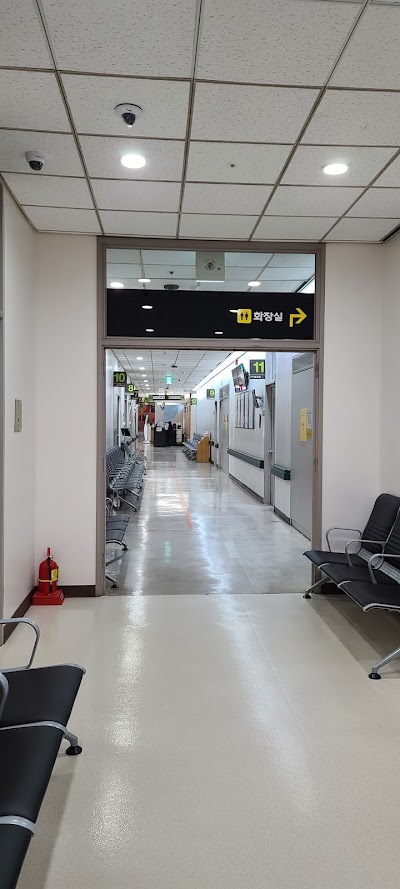
Travel and Stay
Round-trip flight
One-night stay
Attractions
Frequently asked questions
When seeking ankle sprain treatment abroad, consider the provider's experience, the facility's accreditation, and the quality of care offered. Research patient reviews and outcomes to ensure you choose a reputable destination that meets your needs.
To compare quality, look for internationally recognized accreditations, such as those from the Joint Commission International (JCI) or the International Organization for Standardization (ISO). Additionally, consider the qualifications and experience of the medical staff, as well as the technology and facilities available.
Recovery time for ankle sprain treatment can vary, but most patients can expect to return to normal activities within a few weeks. Travel may require additional time for rest and follow-up appointments, so plan accordingly to ensure a smooth recovery process.
Before selecting a provider, ask about their experience with ankle sprain treatments, the types of procedures they offer, and their success rates. Inquire about post-treatment care, follow-up protocols, and any potential complications associated with the procedure.
While many patients find that ankle sprain treatment abroad can be more affordable than in the U.S., costs can vary widely based on the destination and provider. It's important to obtain detailed quotes and understand what is included in the price to make an informed comparison.
When planning your trip to South Korea for medical care, it's important to research the healthcare facilities and understand the logistics of your stay. Many hospitals cater to international patients, offering services in English and assistance with travel arrangements. Additionally, familiarize yourself with local customs and transportation options to ensure a smooth experience.
The cost of living in South Korea can vary significantly depending on the city and lifestyle. Generally, accommodations, food, and transportation can be more affordable than in many U.S. cities. However, it's wise to budget according to your personal preferences and needs, as prices can fluctuate.
U.S. citizens traveling to South Korea for short stays, including medical travel, typically do not need a visa for visits of up to 90 days. However, it's essential to have a valid passport and check for any updates on entry requirements before your trip. Always verify the latest information from official sources.
English is commonly spoken in major cities and tourist areas in South Korea, particularly in healthcare settings that cater to international patients. Many medical professionals are proficient in English, which can help ease communication during your visit. However, learning a few basic Korean phrases can enhance your experience.
South Korea has an efficient public transportation system, including subways, buses, and taxis, making it easy to navigate cities. For medical travelers, many hospitals offer shuttle services or assistance with transportation arrangements. It's advisable to download local transportation apps to help plan your journeys.
Data last updated July 10, 2026. Prices and savings are estimates, not guarantees.