

Tennis elbow treatment Care in South Korea
Tennis elbow treatment in South Korea typically costs $800 to $8,000 on CureValue-listed providers, about 40 percent less than typical US prices.

Why Americans travel for tennis elbow treatment care
Tennis elbow treatment focuses on alleviating pain and restoring function in the elbow caused by overuse of the forearm muscles and tendons, often resulting in symptoms like pain on the outer part of the elbow, difficulty gripping objects, and discomfort during activities. Treatment options typically include physical therapy, anti-inflammatory medications, corticosteroid injections, and in some cases, surgical procedures to remove degenerated tissue or repair tendons. Americans may consider seeking tennis elbow treatment abroad for reasons such as shorter wait times, potential cost savings, or access to specialized care not readily available in the U.S. While there may be potential benefits to receiving treatment overseas, such as different therapeutic approaches or advanced techniques, it is crucial to carefully evaluate factors like the provider's experience, the quality and accreditation of the facility, cost transparency, recovery time, travel logistics, and the availability of follow-up care to ensure a safe and effective treatment experience.

Key stats: Tennis elbow treatment in South Korea

86
Top sports medicine facilities in South Korea
Compare all 1 provider →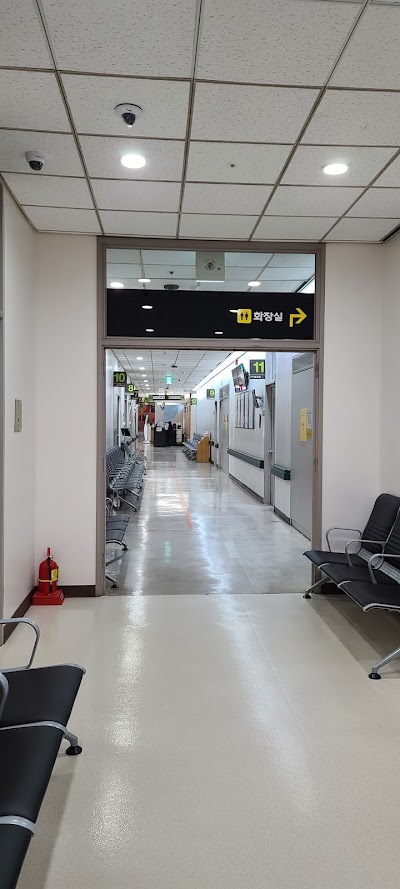
Travel and Stay
Round-trip flight
One-night stay
Attractions
Frequently asked questions
When seeking Tennis Elbow Treatment internationally, consider the provider's experience, facility accreditation, and patient reviews. It's also important to evaluate the specific techniques used for treatment and the recovery protocols they follow.
To ensure safety and quality, look for accredited facilities and board-certified specialists. Research the hospital's infection rates and patient outcomes, and consider reaching out to former patients for their experiences.
Ask about the provider's experience with Tennis Elbow Treatment, the specific techniques they use, and their post-treatment care plans. Inquire about the facility's accreditation and any potential risks associated with the procedure.
Recovery time can vary based on the treatment method used, but many patients can expect to return to normal activities within a few weeks. It's important to follow the provider's post-treatment instructions for optimal recovery.
While costs for Tennis Elbow Treatment abroad may be lower than in the U.S., it's essential to consider the overall value, including provider experience and facility quality. Always request a detailed breakdown of costs and any potential additional expenses.
When planning your trip to South Korea for medical care, it's important to research the healthcare facilities and understand the logistics of your stay. Many hospitals cater to international patients, offering services in English and assistance with travel arrangements. Additionally, familiarize yourself with local customs and transportation options to ensure a smooth experience.
The cost of living in South Korea can vary significantly depending on the city and lifestyle. Generally, accommodations, food, and transportation can be more affordable than in many U.S. cities. However, it's wise to budget according to your personal preferences and needs, as prices can fluctuate.
U.S. citizens traveling to South Korea for short stays, including medical travel, typically do not need a visa for visits of up to 90 days. However, it's essential to have a valid passport and check for any updates on entry requirements before your trip. Always verify the latest information from official sources.
English is commonly spoken in major cities and tourist areas in South Korea, particularly in healthcare settings that cater to international patients. Many medical professionals are proficient in English, which can help ease communication during your visit. However, learning a few basic Korean phrases can enhance your experience.
South Korea has an efficient public transportation system, including subways, buses, and taxis, making it easy to navigate cities. For medical travelers, many hospitals offer shuttle services or assistance with transportation arrangements. It's advisable to download local transportation apps to help plan your journeys.
Data last updated July 10, 2026. Prices and savings are estimates, not guarantees.