

Bone marrow transplant Care in Greece
Bone marrow transplant in Greece typically costs about $150,000 on CureValue-listed providers, about 50 percent less than typical US prices.

Why Americans travel for bone marrow transplant care
A bone marrow transplant is a medical procedure that replaces damaged or diseased bone marrow with healthy stem cells, which can be sourced from the patient (autologous transplant) or a donor (allogeneic transplant). This treatment is often recommended for conditions such as leukemia, lymphoma, and certain genetic disorders, where the bone marrow is unable to produce healthy blood cells. The process typically involves several steps, including chemotherapy or radiation to prepare the body, followed by the infusion of stem cells. Some Americans may consider seeking a bone marrow transplant abroad due to factors like longer wait times for procedures in the U.S., potential cost savings, or access to specialized care not available locally. While there may be potential benefits to receiving treatment overseas, such as shorter wait times or different treatment options, it is crucial to carefully evaluate the experience of the healthcare providers, the quality and accreditation of the facilities, and the transparency of costs. Additionally, patients should consider the logistics of travel, recovery time, and the availability of follow-up care after returning home, as these factors can significantly impact the overall experience and outcome of the treatment.

Key stats: Bone marrow transplant in Greece

91
Bone marrow transplant costs in Greece vs the US
Estimates from providers listed on CureValue. Actual prices vary by provider and case.
| Procedure | Greece price range | Typical US cost | Typical savings |
|---|---|---|---|
| Bone Marrow Transplant | about $150,000 | about $300,000 | 50% |
Bone Marrow Transplant
Top stem cell therapy facilities in Greece
Compare all 9 providers →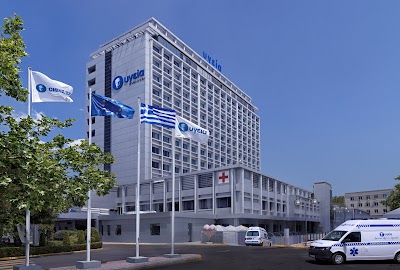


Travel and Stay
Round-trip flight
One-night stay
Attractions
Frequently asked questions
When evaluating international options for a bone marrow transplant, consider the provider's experience, the facility's accreditation, and the standards of care. Research the hospital's success rates and patient reviews, and ensure that the medical team is specialized in hematology and transplant procedures.
To ensure safety and quality of care for a bone marrow transplant abroad, look for facilities accredited by recognized international organizations. Verify that the medical staff are board-certified and have extensive experience in performing bone marrow transplants, and inquire about the hospital's infection control protocols.
The typical recovery timeline after a bone marrow transplant can vary, but patients often stay in the hospital for several weeks, followed by outpatient care for several months. Travel can impact recovery, so it's important to plan for follow-up visits and ensure you have access to local healthcare resources during your recovery period.
When considering providers for a bone marrow transplant abroad, ask about their experience with the procedure, the number of transplants performed annually, and their success rates. Inquire about the types of stem cell sources they use, the support services available, and how they handle complications or emergencies.
The cost of a bone marrow transplant abroad can vary widely and may be lower than in the U.S., but it's essential to consider all associated expenses, including travel, accommodation, and follow-up care. Always request a detailed breakdown of costs and compare it to your potential out-of-pocket expenses in the U.S. to make an informed decision.
When planning a trip to Greece for medical care, it's important to research the healthcare facilities and understand the logistics of your travel. Many hospitals in Greece are equipped to handle international patients, and English is commonly spoken in healthcare settings. Additionally, consider the proximity of your accommodation to the medical facility for ease of access during recovery.
Greece generally has a lower cost of living compared to the U.S., which can be beneficial for medical travelers. While prices for lodging, food, and transportation can vary by region, many visitors find that they can enjoy a comfortable stay at a reasonable price. It's advisable to budget for your specific needs and preferences while in Greece.
U.S. citizens can enter Greece for short stays of up to 90 days without a visa for tourism or medical purposes. However, it's important to ensure your passport is valid for at least three months beyond your planned departure date from the Schengen Area. Always check for the latest travel advisories and entry requirements before your trip.
Yes, English is widely spoken in Greece, particularly in tourist areas and healthcare facilities. Many medical professionals are fluent in English, which can help facilitate communication during your medical travel experience. This can make your visit more comfortable and ensure you understand your care options.
Getting around in Greece can be convenient, with options such as public transportation, taxis, and rental cars available. Depending on your recovery needs, you may want to choose accommodations close to your medical facility. It's also wise to plan for any mobility assistance you might require post-treatment, ensuring a smooth recovery process.
Data last updated July 10, 2026. Prices and savings are estimates, not guarantees.